When mealtimes degenerate into nightly power struggles, cajoling, and tearful negotiations, the division of responsibility in feeding offers parents a transformative, evidence-based roadmap to restore calm. Pioneered by renowned pediatric dietitian and family therapist Ellyn Satter, this feeding philosophy removes mealtime tension by drawing crystal-clear boundaries between what parents are responsible for and what children are responsible for at the table.
Many caregivers unintentionally find themselves micromanaging every single bite their toddler takes, worrying that their child will wake up hungry or fail to thrive without strict parental intervention. However, hovering, bribing, and forcing bites frequently backfires, creating stubborn food resistance and disconnecting young children from their natural internal hunger and fullness signals.
To understand how this philosophy integrates with broader developmental milestones, explore our foundational toddler picky eating guide for daily feeding schedules and practical tips. Pediatric guidance on HealthyChildren.org advises that it is the parent’s responsibility to provide food and the child’s decision to eat it. Additional guidance on fostering healthy family habits is detailed by pediatric experts at the American Academy of Pediatrics.
By trusting your child’s body to regulate its caloric needs within safe, structured parental boundaries, you nurture lifelong intuitive eating patterns and rebuild joyful family meal traditions. Let us break down how each partner’s role functions in daily practice.
Core Parental Responsibility and Toddler Roles at the Table
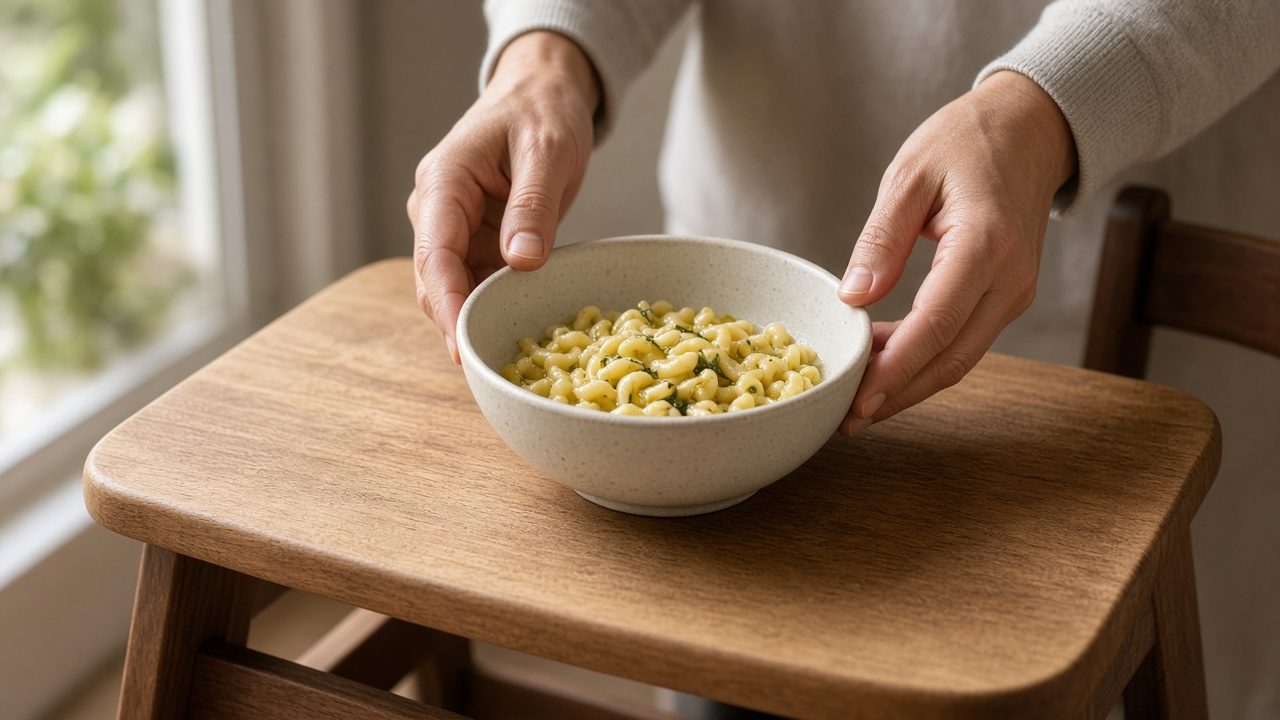
To successfully implement this feeding framework, parents must clearly distinguish their duties from their toddler’s duties. When parents attempt to do the child’s job—or when children are allowed to dictate the parent’s job—feeding chaos invariably follows.
The Essential Duties Assigned to Parents
The parent’s non-negotiable responsibilities include:
- What to serve: Parents select and prepare wholesome, balanced family meals that include a variety of food groups alongside familiar safe foods.
- When to serve: Parents establish predictable meal and snack times, maintaining a consistent rhythm throughout the day.
- Where to serve: Parents designate a calm, distraction-free dining location, such as the family table, without televisions, phones, or tablets.
The Natural Autonomy Entrusted to Children
The toddler’s sole responsibilities include:
- Whether to eat: The child decides whether they will consume the foods presented on the table.
- How much to eat: The child determines the quantity of food their body requires at that specific meal.
When these roles are respected, children no longer feel the need to rebel or dig in their heels. Mealtime stops being an arena for control battles and returns to its natural function: nourishing the body in a warm social setting.
Why Mealtime Pressure and Bribery Backfire for Toddlers

It is entirely natural for parents to feel anxious when a selective toddler pushes away dinner after eating only two bites. In an effort to ensure proper nutrition, caregivers often resort to well-intentioned pressure tactics such as “just take two more bites of broccoli and you can leave,” or “if you finish your chicken, you can have a cookie.”
Extensive clinical research demonstrates that pressure tactics actively undermine healthy eating habits. When parents use dessert as a bribe for eating vegetables, it inadvertently teaches the toddler that vegetables are an unpleasant chore that must be endured, while dessert is the superior, highly prized reward. This increases the perceived value of sweet foods while deepening aversion toward nutritious vegetables.
Furthermore, coaxing children to clean their plates overrides their innate satiety cues. Human infants and toddlers are born with an extraordinary ability to self-regulate energy intake, eating robustly during growth spurts and tapering down during dormant periods. According to pediatric feeding guidance on HealthyChildren.org, pressuring children to eat can make them actively dislike foods.
Trust is the cornerstone of successful feeding. When parents trust their toddler’s appetite signals, the child feels respected and secure. Freed from emotional pressure, toddlers naturally show greater curiosity toward trying unfamiliar foods over time.
Implementing a Mindful Feeding Routine Across Daily Meals

Putting the division of responsibility into daily practice requires consistency across all meals and snacks. Begin each morning by offering a balanced breakfast at the table, such as rolled oatmeal with fruit or scrambled eggs with toast. If your toddler eats only a spoonful and announces they are finished, calmly say, “Okay, your body is all done for now,” and allow them to leave the table.
Structuring Predictable Morning and Afternoon Snacks
Do not offer milk, crackers, or snack bars ten minutes later when they claim they are hungry. Instead, gently remind them: “Breakfast is all done, but our morning snack will be ready in about an hour.” Spacing snacks at least two hours before meals prevents blunting their appetite so they are not full when mealtime arrives, as noted on HealthyChildren.org.
At lunchtime and afternoon snack, repeat the same predictable pattern. Serve seated snacks at the table rather than allowing toddlers to wander around the playroom with snack cups. This reinforces that eating is a mindful, focused activity that occurs in a dedicated space.
By dinnertime, your child will arrive with authentic hunger cues. When parents place the meal on the table, their job is finished until cleanup. You do not need to cheer, coax, plead, or negotiate. Simply enjoy your own meal, engage in pleasant conversation, and allow your toddler to interact with their food without commentary.
How to Use a Printable Summary Sheet for Family Caregivers

Many caregivers find it immensely helpful to keep a quick-reference summary posted on their refrigerator as an anchor during chaotic evenings. Downloading and printing a quick-reference printable feeding guide provides family members, babysitters, and grandparents with a shared, cohesive set of guidelines.
A comprehensive handout outlines the exact responsibilities of both parties, sample supportive mealtime phrases, and common pitfalls to avoid. For example, instead of asking “Do you want to take a bite of that?”, the guide encourages neutral statements like, “You do not have to eat it; you can just leave it on your plate.”
Posting these guidelines visibly helps parents maintain consistency when exhaustion sets in after a demanding workday. It serves as an immediate visual reminder that your only duty tonight is to provide a balanced meal in a calm environment—your child’s intake is entirely their own decision.
Sharing the principles with extended family members also ensures that caregivers do not inadvertently undermine your feeding goals with unauthorized treats or high-pressure tactics. When everyone surrounding your toddler speaks with the same calm, supportive voice, mealtime anxiety evaporates.
Managing Evening Feeding Challenges and Common Bedtime Worries

One of the biggest concerns parents express when beginning this journey is the fear that their child will starve or wake up crying in the middle of the night. While skipping a single meal is usually not harmful for a child who is growing well, missing out on major food groups over time can prevent children from getting sufficient nutrients, and parents with growth concerns should consult their pediatrician, as advised on HealthyChildren.org. A child who eats lightly at dinner may simply have consumed adequate calories earlier in the day.
However, to alleviate anxiety during the transition phase, parents can introduce a planned, boring “bedtime bridge” snack roughly forty-five minutes before sleep. This should be a simple option such as a piece of whole-wheat toast or plain yogurt followed by tooth brushing, avoiding bedtime milk which leaves sugars on teeth and can cause cavities as warned on HealthyChildren.org. It should never be an exciting treat like cookies or fruit snacks, which might motivate children to purposefully skip dinner in anticipation of dessert.
Another common hurdle is dealing with food throwing or intentional mess-making. While sensory food exploration with hands is normal for young toddlers, throwing utensils or food across the room requires calm, firm boundaries. A simple script works best: “Food stays on the tray or in our mouth. If you throw food, that tells me your body is all done eating.”
By staying patient and honoring the division of responsibility in feeding, you give your child the invaluable gift of a peaceful relationship with food that will endure for a lifetime.
Frequently Asked Questions
What is the parent’s primary job under this feeding framework?
Under this framework, parents decide what food is served, when meals occur, and where the family eats. As advised by pediatricians on HealthyChildren.org, the parent provides balanced food and the child decides whether and how much to eat. This boundary prevents micromanaging and eliminates daily mealtime power struggles.
What should you do if your toddler refuses to eat dinner?
If your toddler refuses dinner or takes only a bite, calmly accept their decision without pressure, bargaining, or frustration. Simply say their body is done for now and let them leave the table peacefully until the next scheduled meal or snack. Trusting your child’s appetite signals helps them develop healthy internal hunger cues.
Why should milk not be offered right after a refused meal?
Offering milk or snacks immediately after a refused meal encourages children to skip family dishes in anticipation of filling drinks. In addition, spacing snacks at least two hours before meals ensures children arrive with genuine hunger, as noted on HealthyChildren.org. Milk at bedtime should also be avoided because pooling sugars can cause cavities.
How should parents handle food throwing at the table?
While hand exploration is normal, throwing food or utensils requires calm, immediate, and consistent parental boundaries. Parents can say calmly that food stays on the plate, and throwing indicates the child’s body is finished eating. Ending the meal without anger teaches respectful table boundaries while keeping the dining environment peaceful.