Welcome to our pediatric guide created to help parents navigate toddler picky eating with practical clarity. Watching a young toddler reject nutritious foods can feel overwhelming. A structured feeding approach restores calm at family mealtime while nourishing each growing toddler through consistent daily eating routines.
Appetite changes are a normal milestone between ages one and four. As toddlers gain mobility, language, and self-awareness, mealtimes become a way to assert independence. Predictable routines and gentle exposure help parents support healthy growth without dinner table power struggles.
Our guides are grounded in pediatric advice from trusted organizations like the American Academy of Pediatrics. Family meals should be a peaceful time for connection, not negotiations, bribes, or mealtime frustration.
Understanding Toddler Growth and Selective Habits
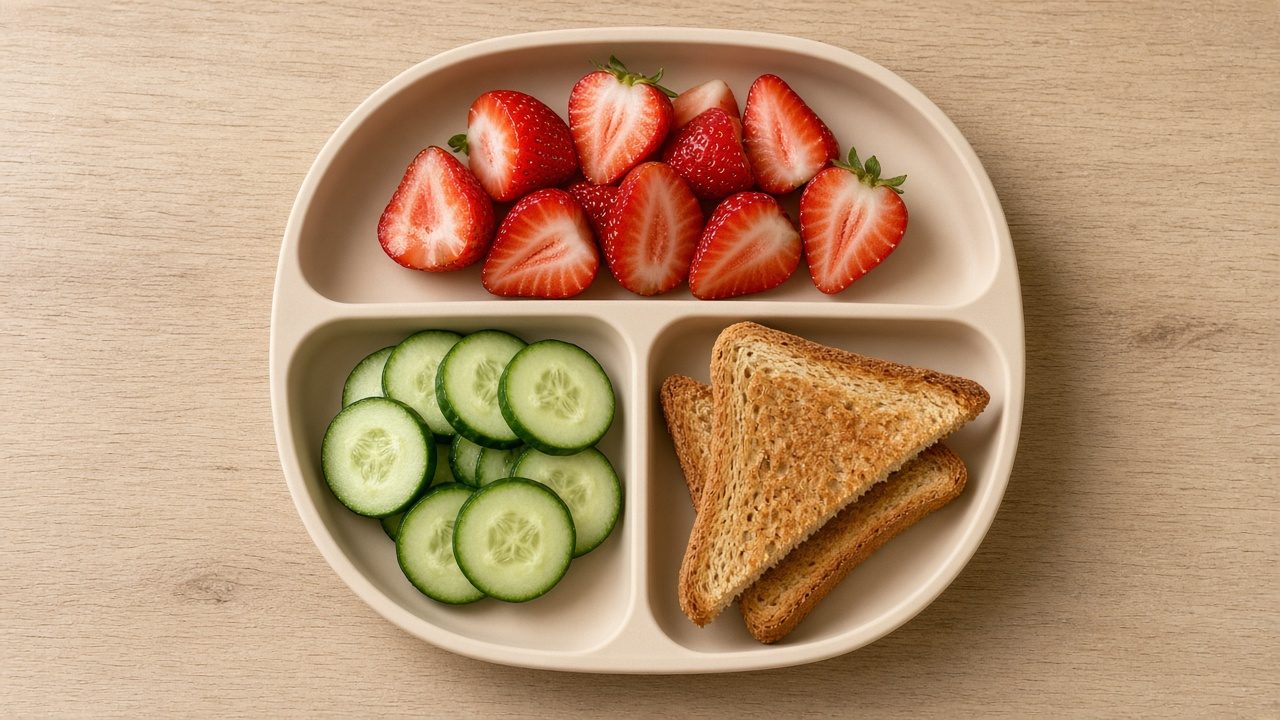
During their first year, infants grow rapidly and accept new flavors easily. Between twelve and twenty-four months, growth naturally slows, causing appetite to drop. When appetite dips while independence surges, food preferences become pronounced as children assert autonomy at family meals.
Toddlers also have heightened sensory sensitivity to textures, temperatures, and visual cues. A vegetable that looks slightly browned can trigger refusal from a cautious child. Recognizing this sensory caution as a protective instinct helps caregivers respond with patience rather than anxiety.
Staying calm prevents minor food refusals from escalating into power struggles. When parents remove pressure and offer small portions, children feel safe exploring unfamiliar foods at their own pace.
Gentle Food Chaining Techniques for Picky Appetites
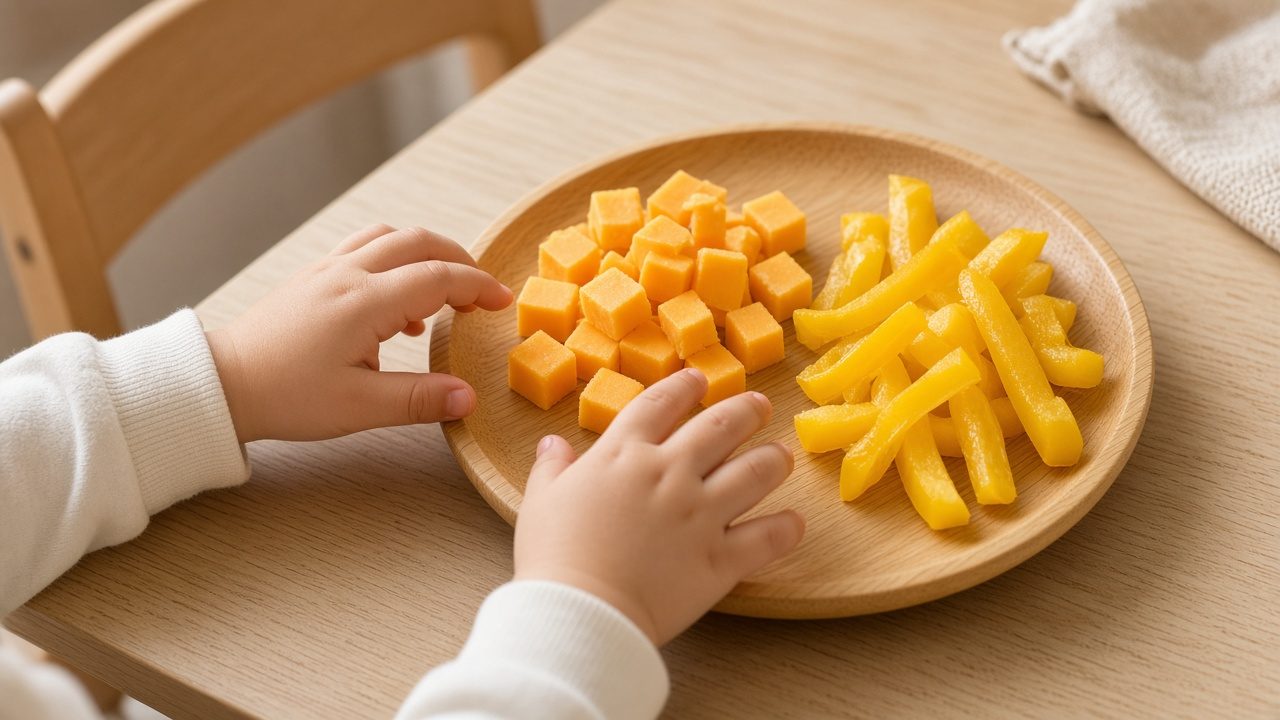
When a child eats only a handful of items, introducing unfamiliar foods directly can trigger refusal. Food chaining is a proven, gentle alternative. This method builds sensory bridges between foods your child already enjoys and new nutritious options.
Rather than jumping from nuggets to steamed vegetables, you make subtle changes in brand, shape, seasoning, or texture. For example, if your child accepts only one brand of nugget, try a similar brand before offering homemade baked strips.
Explore our comprehensive guide to food chaining to find transition charts, safe food lists, and practical examples for common favorites.
Flavor Bridging with Familiar Condiments
An accepted dip or familiar sauce acts as a sensory bridge when introducing new foods to an anxious child at dinnertime.
Texture Transitions for Crunchy Preferences
Transitioning from processed crunchy snacks to baked vegetables preserves familiar mouthfeel while broadening daily food options.
Temperature and Visual Modifications
Serving familiar dishes at room temperature or altering shapes helps reduce visual intimidation during meals.
Structured Meal Planning to Support Toddler Nutrition

Structure and predictability help young children feel secure around food. A consistent routine of three meals and two planned snacks prevents grazing, which suppresses appetite at dinner.
A successful meal strategy never requires cooking short-order dishes. Parents serve a unified family meal that includes familiar safe foods the child accepts. Check out our detailed picky eater meal plan guide for weekly schedules, portion guidelines, and simple snack ideas that keep meals on track.
Applying the Division of Responsibility Framework

The division of responsibility in feeding, developed by specialist Ellyn Satter, is one of the most effective frameworks for ending mealtime conflict. It clearly separates caregiver duties from the child’s role at mealtimes.
Parents decide what food is offered, when meals occur, and where everyone sits. The child decides whether to eat and how much. Read our walkthrough on the division of responsibility in feeding to see how loving boundaries eliminate dinner battles and build healthy lifelong eating habits.
Everyday Strategies to Encourage Wholesome Eating Routines

Managing picky habits takes patience. It can take ten to twenty pressure-free exposures before a child tastes an unfamiliar item. Simple activities, like washing cherry tomatoes or passing serving bowls, count as valuable sensory steps.
Keep portions small so children do not feel overwhelmed. A single tablespoon of an unfamiliar food alongside accepted favorites feels approachable and encourages gentle exploration.
By establishing predictable routines and serving balanced family meals, you help each child build a lifelong positive relationship with wholesome food.
Frequently Asked Questions About Child Nutrition
Here are answers to common questions parents ask when guiding children toward varied, nutritious family foods.
How long does the selective eating phase usually last for toddlers?
For most children, picky eating peaks around age two and resolves by age five as social modeling and sensory comfort expand.
Should you make a separate dinner if a toddler refuses the meal?
Preparing separate meals reinforces picky habits. Instead, always include at least one accepted safe food within the shared family meal.
How many times do you need to offer a new food before a child accepts it?
Research shows young children often need ten to fifteen repeated, pressure-free exposures before tasting an unfamiliar food.
What is the most effective way to handle a toddler throwing food?
Respond calmly without anger, state that throwing food means mealtime is finished, and gently remove the child from the table.