Enforcing a traditional clean plate rule teaches young children to override their internal fullness cues, often intensifying mealtime power struggles and worsening selective eating behavior. When caregivers replace pressure-based expectations with responsive feeding principles, toddlers learn to trust their bodies and build a peaceful, lifelong relationship with food.
For generations, clearing everything served on a plate was considered the gold standard of polite childhood behavior. Well-meaning parents and grandparents insisted on finishing every spoonful, motivated by concerns about food waste, nutritional adequacy, or gratitude for family resources. However, modern pediatric research and developmental psychology have revealed that forcing children to finish their meals carries unintended negative consequences for long-term eating habits.
When young children are repeatedly pressured to finish everything in front of them, their innate ability to regulate energy intake becomes eroded. Toddlers are naturally born intuitive eaters with sophisticated internal barometers that signal precisely when they are hungry and when their bodies have received sufficient calories. Overriding those signals with external rules teaches children to ignore their bodies in favor of external adult approval. Exploring our comprehensive resource on toddler picky eating helps parents re-evaluate inherited table habits and adopt modern, stress-free feeding methods.
According to child nutrition guidance from the American Academy of Pediatrics on aap.org, letting children decide how much to consume helps them follow fullness cues and can lower the chance of later overweight. In this guide, we examine why retiring outdated table rules transforms family dining into a calm, joyful experience.
How Demanding an Empty Dinner Plate Disrupts Satiety Signals
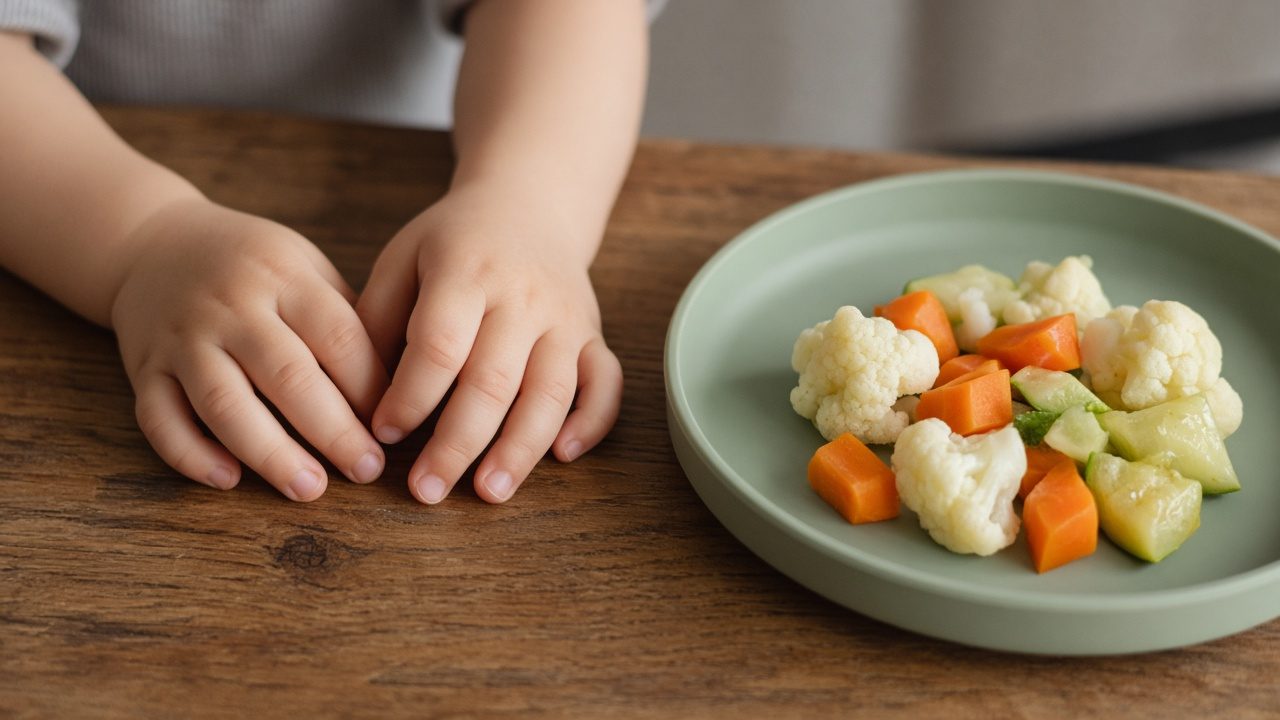
Toddlers possess an innate biological capability to match their caloric intake to their daily energy expenditure. A child who was physically active at the park might eat a surprisingly large dinner, while the same child on a sedentary rainy day might require far less food. When adults insist that a child finish a predetermined portion, they superimpose arbitrary visual standards over biological necessity.
Over time, children conditioned to clear their plates lose touch with their internal satiety sensations. They no longer ask themselves whether their stomach feels comfortable; instead, they look at the plate to determine when they should stop eating.
For selective eaters, the pressure to clean a plate creates acute physical anxiety. Guidance on HealthyChildren.org advises against forcing children to eat, noting that pressure often creates mealtime battles and makes children dislike food.
Understanding Innate Toddler Energy Self-Regulation
According to the American Academy of Pediatrics, toddler food intake varies from meal to meal, but total intake stays consistent over a twenty-four-hour period. A child who barely nibbles at lunch will frequently compensate with an enthusiastic dinner or a hearty breakfast the following morning.
Trusting this biological self-regulation requires patience from parents.
The Hidden Risks of Using Bribes and Any Rigid Table Rule

When demanding a finished plate fails to produce results, many parents naturally resort to transactional bribery. Phrases like “eat two more bites of chicken and you can have ice cream” or “just three bites of peas and you can watch your cartoon” are spoken at countless dining tables every evening. While bribes may produce short-term compliance, HealthyChildren.org warns that rewarding eating with treats can turn nutritious food into an unpleasant chore.
Bribery establishes an artificial hierarchy of food value. It implicitly tells the child that the vegetable or protein is an unpleasant punishment that must be endured, while the sugary treat is the ultimate prize. Rather than learning to appreciate the taste or texture of wholesome vegetables, the child views them solely as obstacles standing between them and dessert.
Furthermore, conditional praise and negotiations turn mealtimes into an ongoing legal negotiation. Toddlers are skilled debaters who will quickly counter-offer with “how about one bite?” Once meals devolve into bargaining sessions, family connection and relaxed dining vanish entirely.
Avoiding Unhealthy Long-Term Emotional Eating Patterns
Children begin associating sweets with achievement, parental approval, and comfort after overcoming an ordeal. Learning to eat according to emotional rewards rather than genuine physical hunger creates vulnerability to disordered eating habits.
Instead of using treats as bargaining chips, serve sweets occasionally as part of the meal or snack itself, without requiring any prerequisite bites of dinner. Demystifying dessert removes its pedestal status and neutralizes power struggles.
Why Dessert Bribes Create Artificial Food Hierarchies
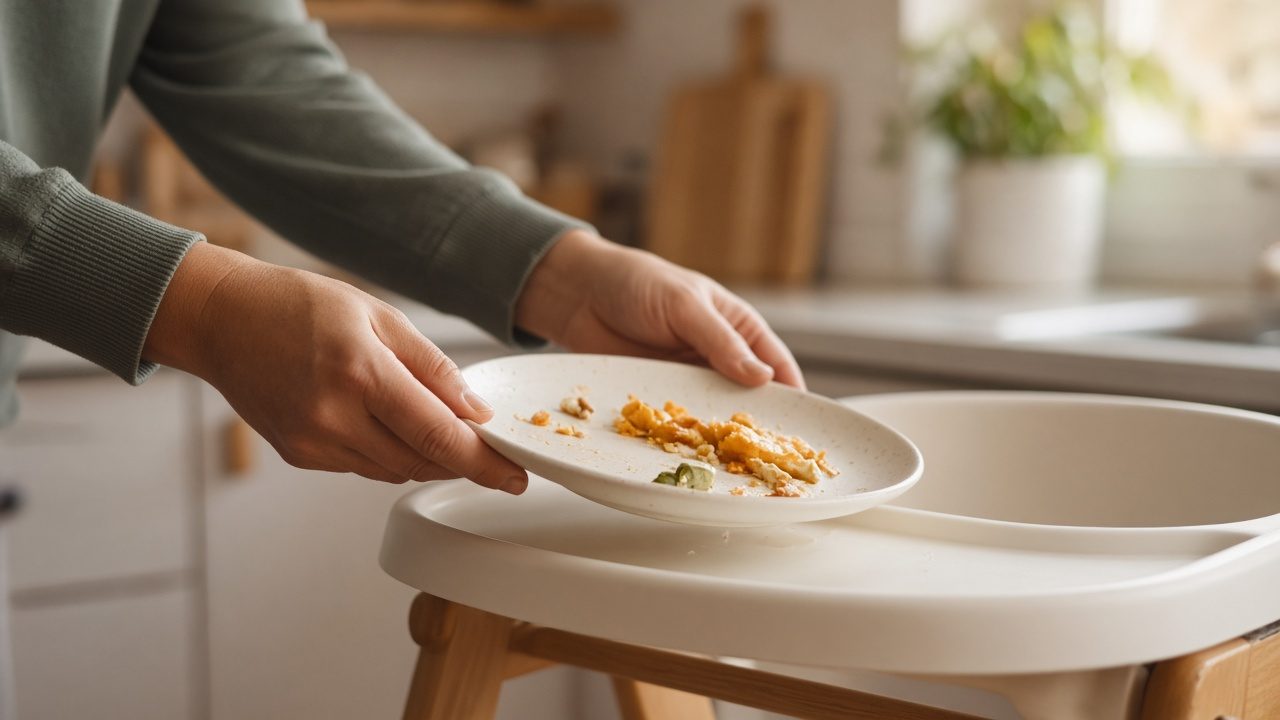
When dessert is withheld as a punishment for leaving food on a plate, the emotional stakes of the meal escalate dramatically. Cautious children feel judged and deficient, while parents feel resentful and defeated. This negative emotional charge creates a vicious cycle that makes future meals even more contentious.
To dismantle this dynamic, embrace the principles outlined in our guide on the division of responsibility in feeding. Your responsibility as a parent is to decide what food is offered, when it is served, and where the family sits. Your child’s sole responsibility is deciding whether to eat and how much to consume from the foods provided.
When you completely surrender control over your child’s bite count, a remarkable transformation occurs. Children no longer need to dig in their heels to defend their autonomy because there is nothing to defend against. Relieved of pressure, their natural curiosity can re-emerge.
Serving Micro Portions That Encourage Autonomy
One practical strategy to support self-regulation is serving micro-portions. When parents heap adult-sized mounds of food onto a toddler’s dish, the sheer visual volume can trigger immediate anxiety. Cautious toddlers feel defeated before they even pick up their fork.
Instead, offer small portions, such as one measuring tablespoon of each food for each year of the child’s age. A micro-portion is approachable and easy to manage. If your toddler finishes it and remains hungry, they can practice communication by asking for seconds. Empowering children to request more food builds confidence and eliminates the fear of being forced to finish an overwhelming plate.
Fostering Intuitive Eating by Honoring Fullness Signals
Honoring your child’s declaration of fullness is the most powerful way to foster lifelong intuitive eating habits. When your toddler announces “all done” or gently pushes their dish away, believe them. Avoid responding with skeptical questions like “are you sure? You only ate two bites!” or “just one more bite for mommy.”
Such responses teach children that their internal sensations are untrustworthy and that external adult judgment determines their physical needs. Instead, respond with neutral acceptance: “Thank you for letting me know your tummy is satisfied.” This simple validation reinforces their internal body awareness.
As documented in pediatric feeding resources on HealthyChildren.org, children benefit from listening to their bodies and using hunger as a guide to decide whether and how much to eat. You can also explore our practical picky eater tips to implement peaceful routines throughout your home.
A Clean Break from Old Habits to Establish Meal Peace
Making a complete break from pressure-based feeding habits can feel intimidating for parents who grew up with strict table expectations. You might worry that your child will starve, lose weight, or never learn to eat vegetables. However, pediatric guidance on HealthyChildren.org notes that pressuring or punishing a child can make them dislike foods they might otherwise accept.
Start tonight by clearing unfinished dishes without sighing, lecturing, or showing disappointment. Maintain a warm, engaging conversation about your child’s favorite animals, songs, or playground adventures. Keep the dining room focused on connection rather than consumption.
If you have genuine concerns about your child’s physical growth curves, vitality, or developmental milestones, talk to your pediatrician for personalized clinical reassurance. When parents step back and trust the developmental process, meals become an opportunity for joy, nourishment, and family bonding.
Frequently Asked Questions
Why is forcing a toddler to finish their food harmful?
Forcing a toddler to finish their food overrides their natural fullness signals, increasing the risk of long-term overeating and disordered eating habits. It also intensifies table anxiety, often worsening selective food refusal. Responsive feeding respects children’s internal hunger cues and builds healthy body trust.
How do you respond when a child says they are full after two bites?
When a child says they are full after two bites, calmly accept their statement without arguing, pleading, or showing frustration. Simply ask if their tummy feels satisfied, and if they confirm, allow them to be done. A scheduled, balanced snack or subsequent meal will provide another eating opportunity.
Should you offer dessert if a child does not finish dinner?
Yes, dessert should not be conditioned on finishing dinner, as this elevates sweets to a high-value reward and turns nutritious food into an unpleasant chore. If dessert is planned, serve a modest portion alongside dinner or independently of how much dinner was consumed. Neutralizing sweets prevents power struggles.
How does responsive feeding help selective young eaters?
Responsive feeding eliminates pressure, allowing cautious children to explore food at their own sensory pace without fear of forced consumption. When dinner is no longer a battle of wills, anxiety decreases and natural curiosity returns. Children gradually become more willing to taste new flavors over time.