If you are raising a selective toddler whose list of accepted foods seems to shrink every week, food chaining offers a gentle method to expand their culinary horizons. Introducing an unfamiliar vegetable or protein directly to a cautious eater often triggers defensive mealtime resistance. Rather than pushing big leaps that overwhelm sensory thresholds, this structured bridging method builds small, incremental bridges between foods your child already loves and new nutritious options.
Selective eating is a very common developmental stage in early childhood, as toddlers naturally assert their independence and develop sensory preferences. However, long-term restriction can make meal planning exhausting for caregivers and limit essential dietary variety. By understanding how taste, texture, aroma, temperature, and visual appearance connect across foods, parents can systematically guide their children toward a wider variety of wholesome ingredients.
When implementing these feeding strategies at home, visiting our comprehensive toddler picky eating guide provides helpful context on developmental growth patterns and family meal routines. According to clinical feeding guidance published on HealthyChildren.org from the American Academy of Pediatrics, it can take as many as 10 or more times tasting a food before a young child accepts it. This progressive approach honors this learning process by breaking the path into comfortable, stress-free micro-steps.
By shifting the focus from forcing clean plates to fostering positive sensory exploration, families can eliminate dinner battles entirely. Let us examine how this systematic approach works and how you can implement practical chains in your kitchen starting today.
How Progressive Chaining Supports Cautious Toddler Eaters
Parents encountering feeding struggles often wonder how progressive flavor bridging functions, and why it is so effective for selective children. At its core, this structured flavor bridging method is an individualized feeding approach developed by pediatric feeding specialists that uses a child’s current “safe foods” as the foundation for discovering new foods. Safe foods are items your child consumes consistently, without hesitation, across multiple environments.
Instead of expecting a toddler who loves salty french fries to suddenly enjoy steamed broccoli florets, you analyze the specific sensory properties of the safe food. You assess the item’s crispness, saltiness, temperature, thickness, color, and mouthfeel. Next, you introduce a bridging food that shares nearly all of those same sensory qualities, changing only one minor variable at a time.
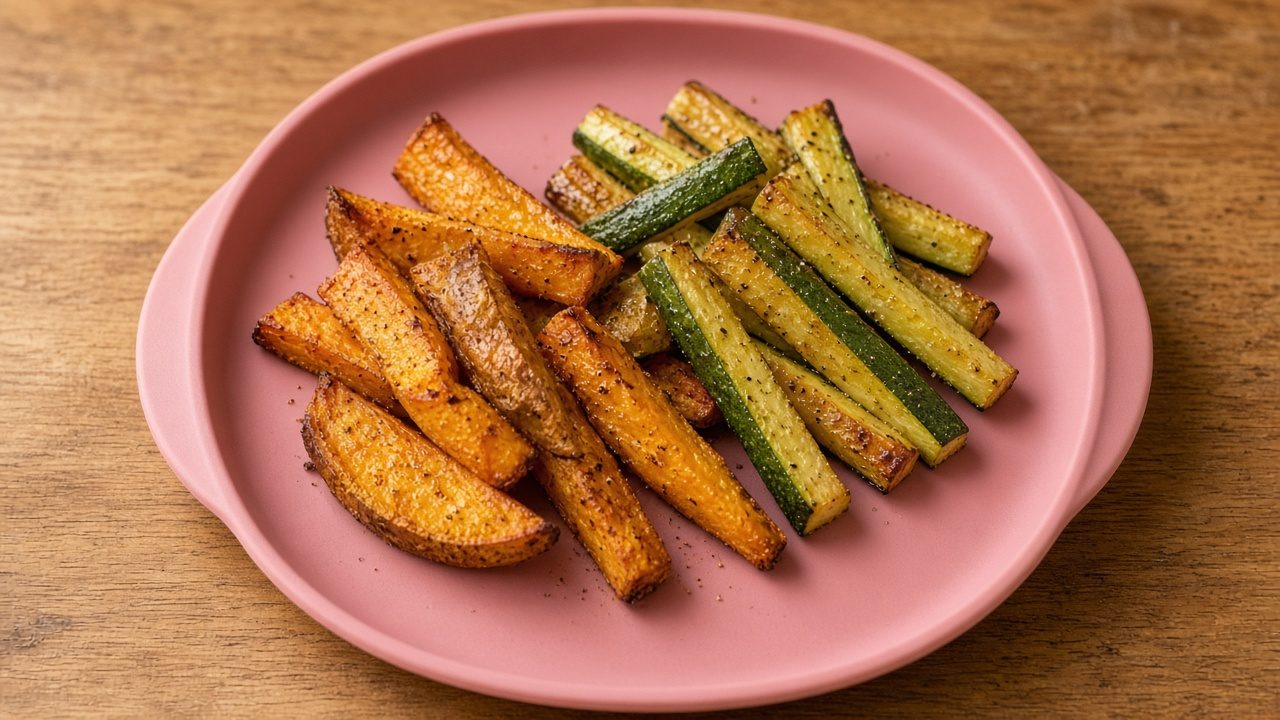
For example, a child who loves crispy potato french fries might transition smoothly to baked thin-cut sweet potato fries. The shape, temperature, and dipping action remain identical, while the flavor profile gently shifts toward natural sweetness and beta-carotene. Once sweet potato fries become an accepted staple, you might transition to carrots steamed until soft and cut into pieces no larger than one-half inch to prevent choking, as recommended on HealthyChildren.org.
According to pediatricians on HealthyChildren.org, picky eating is usually a normal developmental stage in early childhood. As explained on HealthyChildren.org, looking, touching, smelling, licking, or tasting can each count as meaningful sensory exposures before a child accepts a food.
Step-by-Step Food Transitions for Everyday Favorites
Reviewing practical food transition examples makes it easy to understand how small adjustments lead to significant long-term dietary variety. Most toddlers gravitate toward carbohydrate-rich, predictable dry textures like crackers, white bread, and plain pasta because these items deliver consistent flavor in every single bite. Commercial items never vary in crunch or seasoning, unlike fresh produce which varies from sweet to tart.
Transitioning Crunchy White Bread to Nutritious Spreads
Consider a child who eats only plain white toast with butter. A thoughtful chain begins by changing the butter brand to one with a slightly creamier flavor. Next, you might lightly toast whole wheat bread, cutting it into the child’s favorite triangular shape. Once whole wheat toast is accepted, you can spread a thin, almost translucent layer of mild cream cheese or smooth sunflower seed butter. Over several weeks, that initial dry piece of toast becomes a carrier for beneficial fats, proteins, and minerals.
Expanding Smooth Applesauce Purees to Fresh Fruits
Another popular pathway focuses on smooth fruit purees. If your child readily consumes smooth store-bought applesauce pouches, you can begin by serving the same applesauce in a small familiar bowl with a spoon. Next, mix in twenty percent of a smooth pear puree. Gradually increase the ratio of pear puree until it is fully accepted, then introduce mashed ripe bananas or warm stewed cinnamon apples.
Remember that progression is rarely a straight line. Toddlers may enthusiastically accept a new chain link one day and show skepticism the next. Keeping the presentation relaxed and predictable ensures that sensory curiosity continues to grow.
Chaining Tender Chicken Nuggets Toward Diverse Proteins
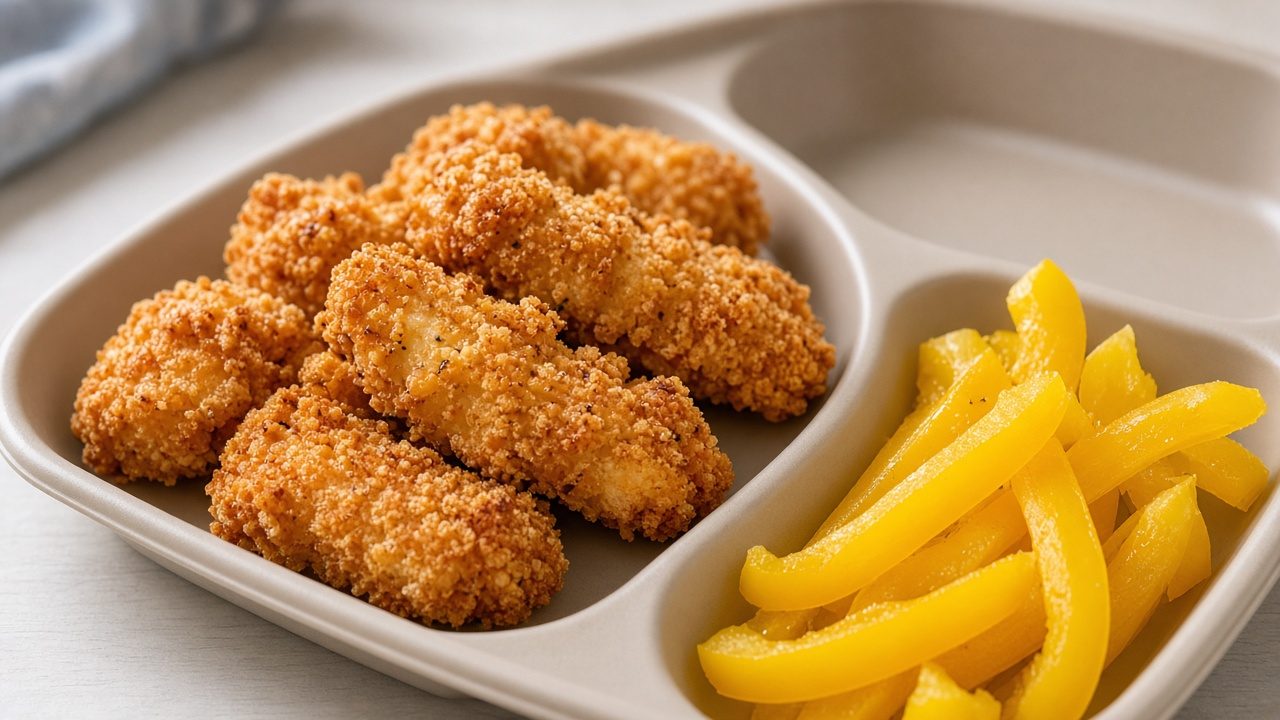
Crispy poultry nuggets are universally beloved by young children, making the chicken nugget bridging pathway one of the most requested strategies for parents seeking greater protein diversity. Commercially processed nuggets feature an ultra-uniform ground texture and a crunchy breadcrumb coating that gives children complete sensory certainty.
Moving from Fast-Food Nuggets to Baked Poultry Tenders
To begin chaining from processed fast-food nuggets, start by purchasing a grocery store freezer brand with an identical shape and batter coating. Prepare them in an oven or air fryer so they achieve the exact same crisp texture your toddler expects. Once the child comfortably eats the home-baked freezer nugget, transition to an organic or whole-grain coated variety that introduces a slightly denser chicken breast grain.
The next bridge involves coating small, tender bite-sized pieces of chicken tenderloin cut to no larger than one-half inch in crushed cornflakes or seasoned breadcrumbs and baking them until crisp. Because the outer crust provides that familiar crunch, the child adapts to the real texture of poultry. From homemade breaded poultry cut into safe bites no larger than one-half inch, you can move toward mild grilled chicken cut to no larger than one-half inch or deboned fish to prevent choking hazards, as advised on HealthyChildren.org.
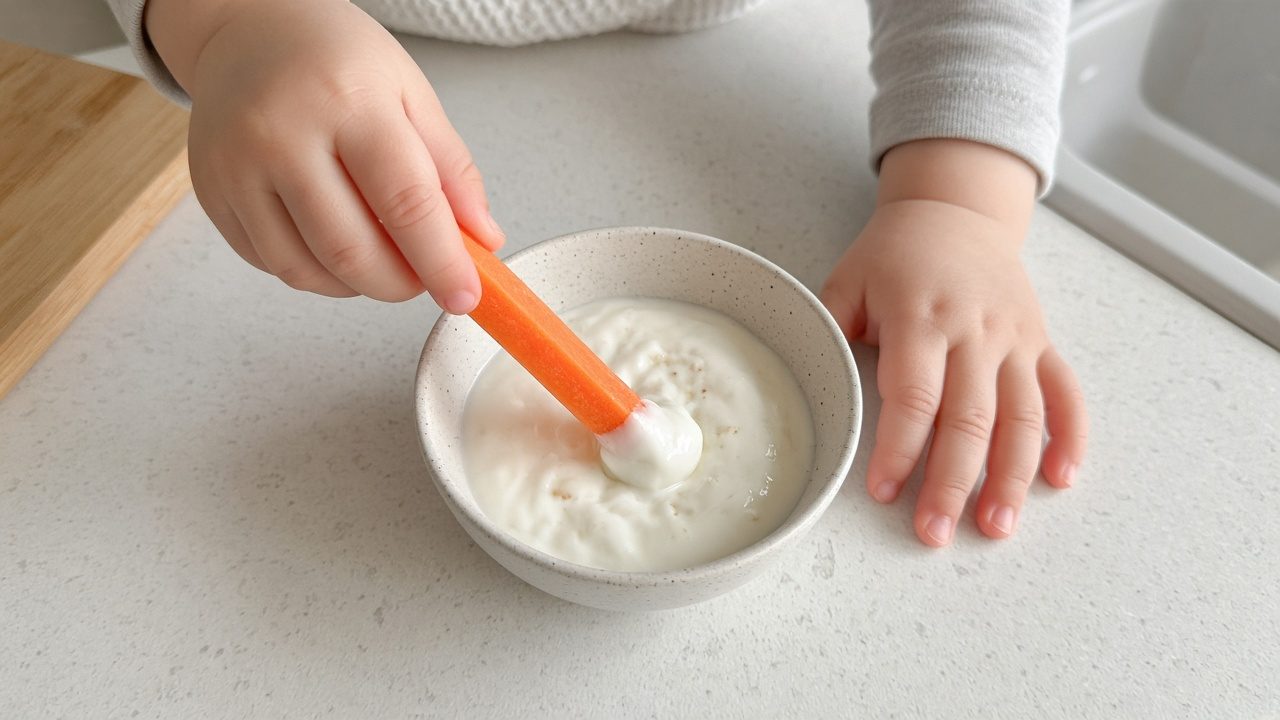
Dipping sauces play an instrumental role throughout this process. When a child tastes their favorite sauce on a slightly different protein, the familiar flavor gives them the psychological comfort needed to accept the new bite.
How to Design and Track a Custom Meal Progress Chart

Creating a personalized meal transition worksheet helps parents organize their observations and measure subtle progress that might otherwise go unnoticed. Rather than relying on guesswork during busy evening dinner preparation, a written chart outlines the deliberate sensory steps you plan to introduce over the coming weeks.
To design your chart, grab a notebook or digital document and create four clear columns: Safe Food, Target Food, Bridging Steps, and Sensory Variables. Under Safe Food, write down the exact item your child currently loves, including specific brand names. Under Target Food, identify a realistic nutritional goal you would like them to enjoy in the future, such as roasted vegetables or grilled proteins.
In the Bridging Steps column, outline three to five intermediate variations that incrementally connect the safe food to the target food. Note the Sensory Variables being modified at each stage—whether it is temperature, firmness, hue, or aroma.
Track your toddler’s reactions over several sessions. Acceptance does not require swallowing on the first attempt. Sniffing the new food, licking a small piece, or tolerating it on their plate without complaints represents meaningful progress on your chart. As documented in nutrition guidelines from HealthyChildren.org, consistent exposure, patience, and positive experiences with a variety of foods help children develop healthy eating habits over time.
Best Practices to Accelerate Feeding Transition Success at Home

To maximize the success of your systematic food transitions, integrate these evidence-based best practices into your daily feeding routine. First, ensure that meals occur at regular, predictable intervals. Toddlers who graze on snacks or juice between meals rarely arrive at the table with genuine appetite, which makes them far less willing to explore unfamiliar food textures.
Second, always serve a generous portion of an established safe food alongside the new bridging item. Knowing that their hunger will be satisfied without eating the new item removes stress and pressure. When children know they are safe from hunger, their innate curiosity takes over, making spontaneous tasting far more likely.
Third, keep mealtime conversation light, upbeat, and entirely unrelated to food intake. Avoid praise like “good job taking a bite” or negotiations like “one more bite and you get dessert.” When eating becomes a performance to please parents, stubborn toddlers often dig in their heels. Instead, talk about their favorite toys, playground adventures, or songs.
By implementing thoughtful food chaining bridges and maintaining a peaceful, pressure-free dining environment, you empower your child to build a lifelong positive relationship with diverse, wholesome foods.
Frequently Asked Questions
How long does it take for a toddler to accept a new food?
According to guidance from the American Academy of Pediatrics on HealthyChildren.org, it can take 10 or more tastings before a young child accepts a new food. Looking, touching, smelling, and licking also count as meaningful sensory exposures during this learning process. Parents should remain patient and avoid rushing the transition.
What should you do if your child rejects an intermediate food link?
Toddler eating progress is rarely a straight line, and children may welcome a food one day and reject it the next. If a child resists a link, keep meal presentations relaxed and return to the previous accepted step for several days. Maintaining a predictable, pressure-free table environment allows sensory curiosity to recover naturally.
How small should food pieces be cut to prevent choking?
Firm foods such as steamed carrots, baked poultry, and tender meats should be cut into pieces no larger than one-half inch to prevent choking hazards, as recommended on HealthyChildren.org. Ensuring that textures are soft and properly sized protects young children while they explore new items. Proper preparation ensures safe chewing and swallowing.
Why is it helpful to serve a safe food at every meal?
Serving an established safe food ensures that your toddler’s hunger is satisfied without relying solely on the unfamiliar bridging item. Removing the fear of going hungry relieves anxiety and eliminates dinner table power struggles. When children feel secure, their innate curiosity encourages them to explore new flavors spontaneously.