Offering nutritious healthy snacks for picky toddlers provides essential vitamins and minerals while keeping between-meal hunger steady without spoiling dinner appetite. By pairing accepted carbohydrates with small portions of protein and healthy fats, caregivers can satisfy developing appetites and gently introduce varied textures in low-pressure settings.
Toddlers have small stomachs and cannot consume large volumes of food in a single sitting. For active young children between one and four years of age, between-meal eating occasions are not frivolous treats, but essential opportunities to meet daily caloric and micronutrient needs. When planned thoughtfully, afternoon snacks function as mini-meals that bridge the energy gap between breakfast, lunch, and dinner.
However, snacking can easily become a double-edged sword. When children are allowed to graze on processed crackers, sweet fruit gummies, or juice pouches whenever they feel restless, their hunger signals become blunted. They arrive at the family dinner table without genuine appetite, leading to outright refusal of family meals. Exploring our foundational guide to toddler picky eating helps parents strike the right balance between nourishing snack breaks and structured mealtime routines.
Pediatric nutrition guidelines from the American Academy of Pediatrics on HealthyChildren.org recommend treating snacks as opportunities to serve real food from diverse food groups. Let us examine how to design nutritious finger food options that your selective child will happily eat.
Balancing Wholesome Nutrition with Familiar Textures
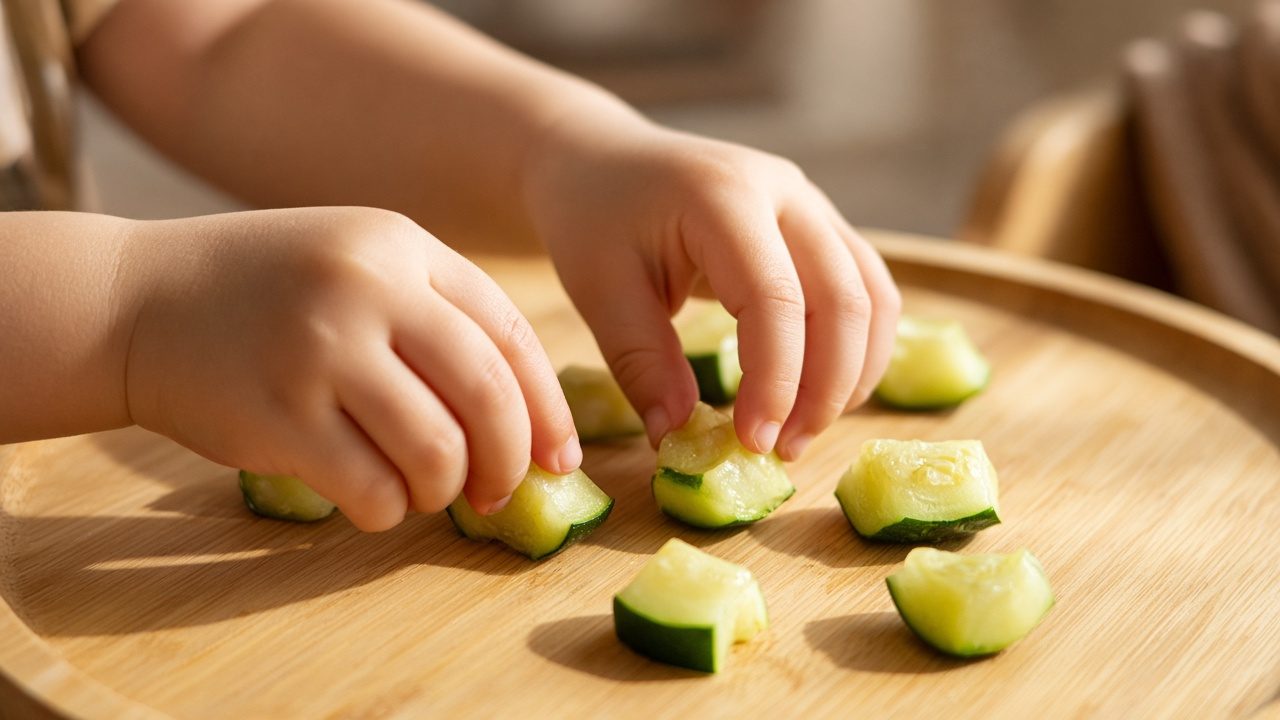
Selective toddlers gravitate toward predictable textures. Dry, crunchy carbohydrates like whole grain crackers, toasted bread strips, and dry cereal feel safe because their flavor and mouthfeel never vary from bite to bite. Fresh produce and meats, by contrast, possess variable moisture levels and fibers that can surprise a sensitive sensory system.
To craft successful snacks, use the “carb plus protein or fat” formula. Start with a familiar, trusted carbohydrate carrier and pair it with a nutrient-dense companion. For example, pair a few whole grain crackers with a small mound of shredded cheese. The cracker provides familiar crunch and comfort, while the shredded cheese delivers vital calcium, protein, and dietary fats that sustain energy for hours.
Using shredded cheese instead of thick blocks or chunks is essential for safety. As noted in pediatric safety guidelines on HealthyChildren.org, firm foods must be modified carefully to eliminate choking risks in children under age four.
Serving Shredded Dairy and Whole Grain Crackers
Shredded mozzarella or mild cheddar cheese paired with whole grain crackers represents one of the easiest, most approachable snacks for selective toddlers. The shredded texture is soft, melt-in-the-mouth, and effortless to chew. It allows cautious children to explore dairy without feeling intimidated by heavy textures.
You can also spread a thin layer of cream cheese or sunflower seed butter across toasted whole grain bread, slicing the bread into thin fingers. These finger-sized strips are easy for small hands to grasp and control, which fosters mealtime independence and self-confidence.
Smart Timing for Between-Meal Toddlers Fuel
Timing is just as important as the food itself when offering snacks to young children. To maintain steady appetite regulation, schedule snacks between meals so your child arrives at the table with genuine hunger. Spacing eating opportunities allows your child’s digestive system to process food and build natural appetite before dinner.
When between-meal offerings occur too close to dinner, even the most adaptable child will reject their evening meal. A toddler who drinks a large cup of milk or eats crackers at four-thirty in the afternoon will simply not be hungry for family dinner at five-thirty. Adhering to a predictable schedule removes guesswork and establishes peaceful table expectations.
If your child asks for food outside these designated snack times, respond with calm empathy. Acknowledge that they might feel hungry or bored, and gently explain that snack time will happen shortly.
Offering Soft Steamed Fruit and Vegetable Slices
Snack time offers a relaxed, low-stakes environment to introduce colorful produce. Unlike dinner, where multiple items are served simultaneously, an afternoon snack can feature just one simple fruit or vegetable alongside an accepted safe food.
Prepare firm produce by steaming until completely fork-tender. Slice sweet carrots into soft thin coins cut into halves, steam sweet potato wedges until velvety, or slice ripe bananas lengthwise into small pieces as recommended on HealthyChildren.org. Firm vegetables should always be cooked or steamed until soft, and round fruits cut into small pieces no larger than one-half inch to reduce choking risks, as advised on HealthyChildren.org.
Nutritious Afternoon Snacks That Cautious Children Accept
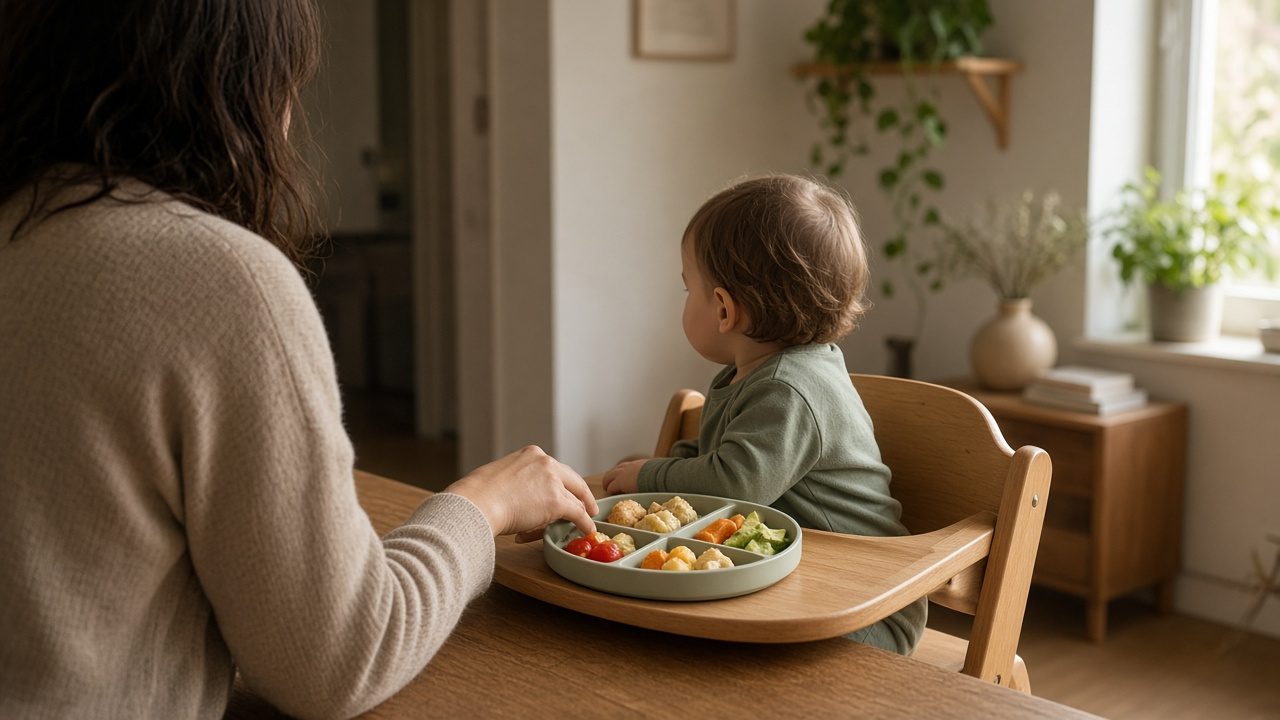
Designing an appealing snack plate does not require elaborate recipes or hours in the kitchen. In fact, simple presentations work best for cautious eaters. Keeping items visually separated on a small plate gives children a clear sense of control over what they choose to touch and taste.
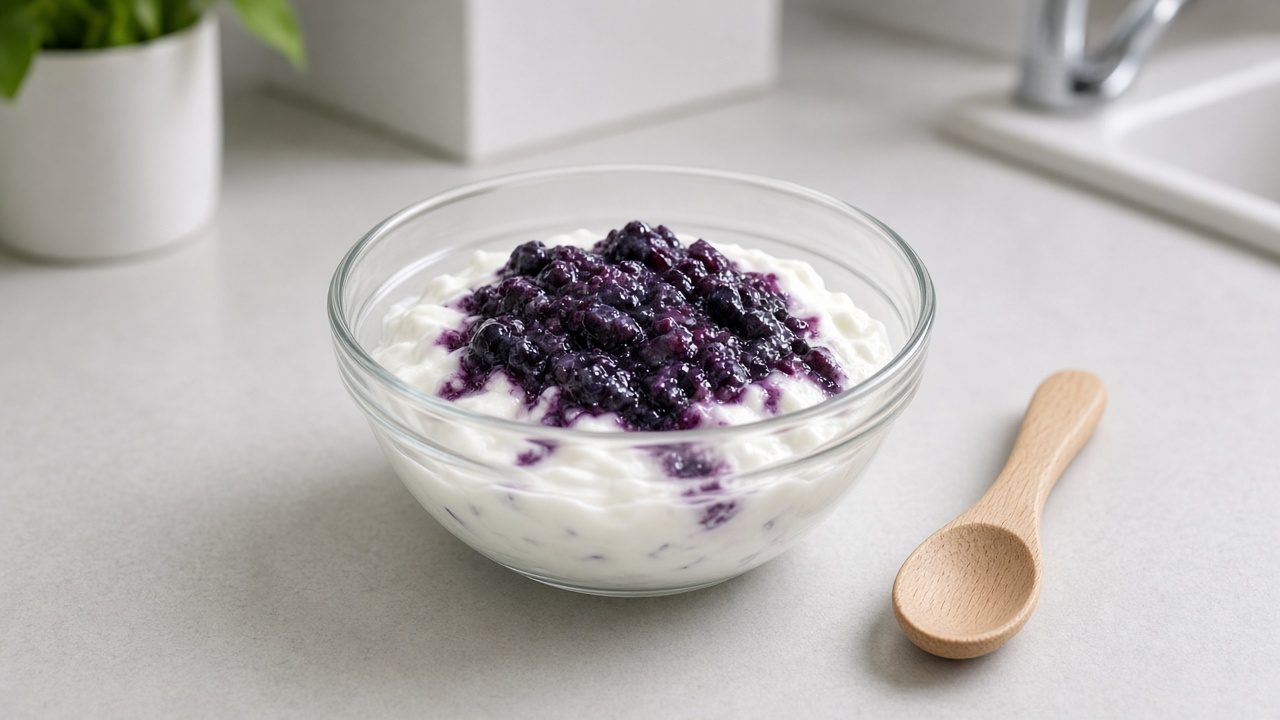
Consider serving a small bowl of whole-milk plain Greek yogurt sweetened naturally with a spoonful of smooth unsweetened applesauce or mashed blueberries. Yogurt provides protein and calcium in a smooth, easy-to-eat texture.
Another beloved option is mashed avocado spread lightly on whole wheat toast fingers. Avocado provides beneficial dietary fats in a soft, easily spreadable texture. Sprinkling a pinch of ground flaxseed adds subtle fiber without altering the comforting creamy mouthfeel.
Creating Smooth Dips for Sensory Exploration
Dips are a fantastic secret weapon for selective toddlers because they transform eating into interactive play. Many children who reject a dry piece of soft pita or steamed vegetable floret will eagerly dip it into a flavorful sauce they already trust.
You can offer mild dipping sauces like warm marinara, smooth sunflower seed butter thinned with water, or a homemade dip made from pureed chickpeas and olive oil. Allowing your child to dip at their own pace engages sensory curiosity and reduces mealtime anxiety.
Simple Combinations Pairing Protein with Healthy Produce
To keep snack planning simple throughout the busy week, maintain a rotational list of reliable pairings. Combining produce with protein ensures lasting satiety and balanced nutrition. Here are several practical snack ideas to integrate into your weekly routine:
- Steamed zucchini moons cut into small pieces served with shredded mild cheddar cheese.
- Soft ripe pear slices cut into thin halves paired with a dollop of whole milk cottage cheese.
- Tender deli turkey and peeled cucumber both cut into pieces no larger than one-half inch to reduce choking risks, as advised on HealthyChildren.org.
- Warm oatmeal prepared with whole milk and topped with mashed ripe strawberries.
- Homemade mini banana muffins baked with whole grain flour, ground oats, and mashed ripe bananas.
Integrating these nutritious ideas alongside our structured picky eater meal plan ensures your child receives comprehensive daily nourishment without mealtime friction.
Preventing All-Day Grazing from Derailing Family Dinners
Continuous grazing is the single greatest enemy of peaceful family dinners. When snacks are treated as an open-ended buffet available on demand, children lose touch with their internal hunger and fullness signals. They eat out of boredom, comfort, or habit rather than genuine metabolic need.
To stop grazing, establish a dedicated seated snacking spot. Children should sit in their highchair or at the kitchen table whenever food is served, rather than walking around the living room with snack cups. This rule not only prevents choking, but also creates mental mindfulness around eating.
Following the principles of the division of responsibility in feeding helps parents hold these boundaries with loving confidence. You decide when and where the snack is offered; your child decides how much of it to eat. If you have any ongoing concerns about your child’s overall growth or dietary balance, consult your pediatrician for guidance.
Frequently Asked Questions
How many snacks should a young child eat each day?
Most young children benefit from an afternoon snack, and some also need a morning snack, as noted on HealthyChildren.org. Keeping snacks predictable prevents grazing and supports balanced appetite.
How long before dinner should afternoon snacking stop?
Afternoon snacks should be spaced well before dinner to ensure your child arrives at the table with genuine hunger. Allowing food or caloric beverages too close to dinner blunts appetite and increases meal refusal. Offering only water between scheduled meals preserves healthy hunger cues.
What are safe ways to serve firm produce to young children?
Firm produce should be steamed until fork-tender and cut into small pieces no larger than one-half inch to prevent choking hazards. Spherical foods like cherry tomatoes must be cut into quarters rather than served whole. Modifying food shapes protects young airways during chewing.
Should parents replace refused meals with favorite snack foods?
Parents should not replace a refused meal with favorite snack foods immediately after dinner, as this teaches children that skipping family meals earns preferred treats. Instead, calmly reassure your child that another eating opportunity will arrive at breakfast. Consistent routines build long-term mealtime security.