Designing a realistic picky eater meal plan is one of the most effective ways for parents to bring peace, order, and balanced nutrition back to the family dinner table. When a young child begins refusing vegetables, meats, or mixed dishes, mealtime quickly turns into an exhausting guessing game. Parents often find themselves preparing multiple custom dishes just to ensure their toddler eats something before bedtime.
A well-structured feeding schedule eliminates short-order cooking by providing a predictable framework that satisfies your toddler’s nutritional requirements while honoring family dinner traditions. Instead of catering exclusively to finicky demands, you provide consistent routines, familiar comfort staples, and low-pressure opportunities to explore new ingredients every single day.
For more overarching strategies on handling food resistance, read our foundational toddler picky eating guide to understand early childhood growth curves and sensory development. Pediatric dietary recommendations on HealthyChildren.org emphasize following regular and structured meal and snack times rather than allowing constant grazing. Developing an intentional meal rhythm keeps appetites sharp and reduces resistance.
Whether your toddler is going through a temporary developmental phase or has struggled with texture sensitivity for months, having a dependable weekly plan restores parental confidence. Let us explore the core building blocks of a stress-free feeding schedule.
How to Construct Balanced Menus for Every Picky Eater
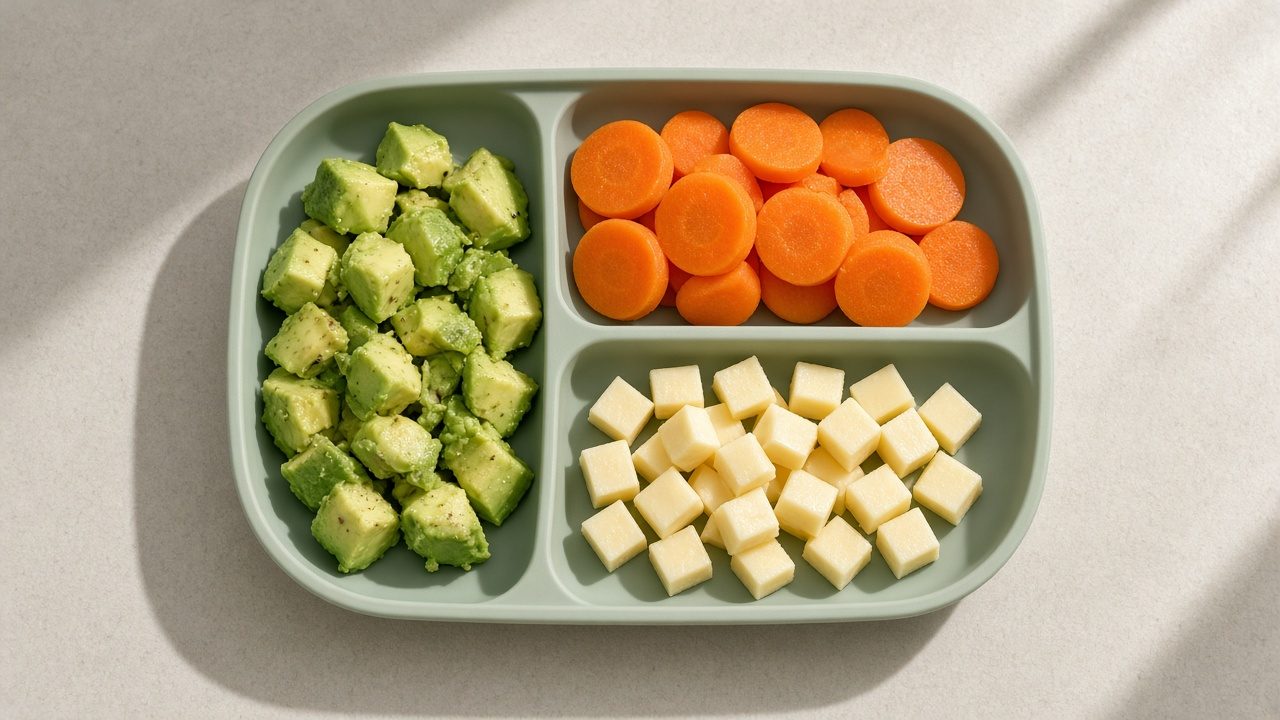
When creating a healthy daily menu for selective toddlers, the primary objective is balance across the week rather than nutritional perfection at every single meal. Toddler appetites naturally fluctuate from day to day based on growth spurts, fatigue, and daily activity levels. Judging their nutritional intake across an entire seven-day window provides a much more accurate and comforting picture than stressing over what was consumed at a single Tuesday lunch.
A resilient daily plan features three structured meals and two nutrient-dense snacks spaced roughly two to three hours apart. When toddlers drink milk or juice all afternoon, they arrive at dinner without hunger, drastically increasing the likelihood of food refusal.
Every planned plate should incorporate three essential components: a reliable energy carbohydrate (such as rice, oatmeal, or whole-grain toast), a sustaining protein or healthy fat (such as cut eggs, shredded cheese, thinly spread nut butter on crackers, or mashed beans), and a colorful produce item (fruit or vegetable cut to safe sizes). Serving familiar versions of these food groups ensures steady physical energy without overwhelming sensory thresholds.
When implementing this balanced toddler menu, keep portions small and manageable. Serving an intimidating mountain of food can cause an anxious toddler to shut down before taking their first bite. A reliable rule of thumb is offering one tablespoon of each food item per year of your child’s age, allowing them to request additional servings if their appetite demands it.
Essential Kitchen Food Lists for Selective Toddlers
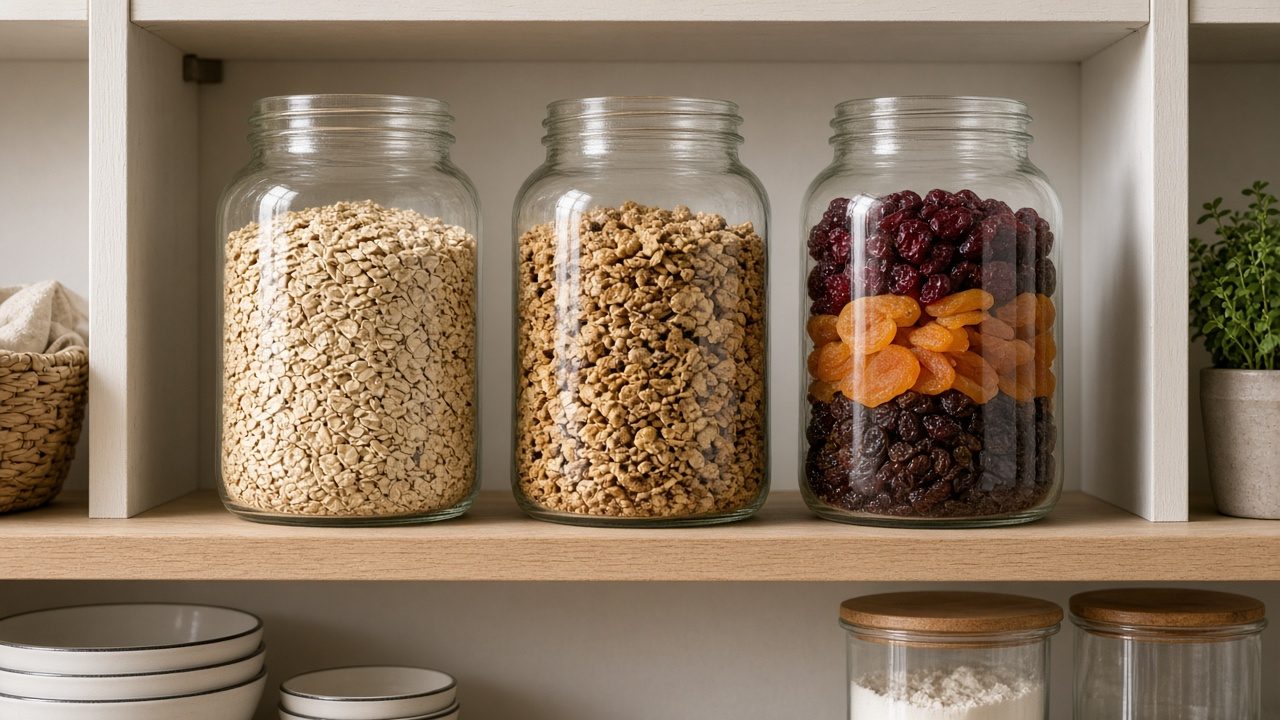
Stocking your refrigerator and pantry with a versatile selection of wholesome staples simplifies grocery shopping and takes the stress out of weeknight dinners. Having a curated selection of nutritious, toddler-friendly ingredients ready to assemble ensures you can create balanced meals in minutes without falling back on emergency processed meals.
Complex Carbohydrates for Consistent Energy
For complex carbohydrates, keep mild staples on hand such as rolled oats, whole-wheat pita pockets, sweet potatoes, brown rice cakes, and small-shaped pasta such as orzo or mini shells. Carbohydrates supply vital glucose for rapid brain growth and physical exploration, and their predictable texture makes them comforting anchors on the plate.
Sustaining Proteins and Healthy Fats
For protein and healthy fats, versatile staples include pasteurized yogurt, shredded cheddar or mozzarella cheese, hard-boiled eggs cut into small pieces, cooked mashed black beans, hummus, and thinly spread sunflower seed butter, while avoiding whole beans and cheese chunks as advised on CDC.gov. As noted in the nutritional guide on HealthyChildren.org, children stay on whole milk until they are two years of age, after which pediatricians recommend low-fat or nonfat milk.
Accessible Fruits and Mild Vegetables
For produce, focus on sweet, accessible fruits and mild vegetables that can be prepared in various textures. Soft bananas, blueberries that are smashed or cut lengthwise, diced sweet pears, peeled cucumber diced into small pieces no larger than one-half inch, soft steamed carrots cut tiny, and cooked smushed sweet peas offer gentle flavors while preventing airway blockages, consistent with choking prevention guidelines on HealthyChildren.org.
Designing a Low-Stress Family Meal Routine at Home
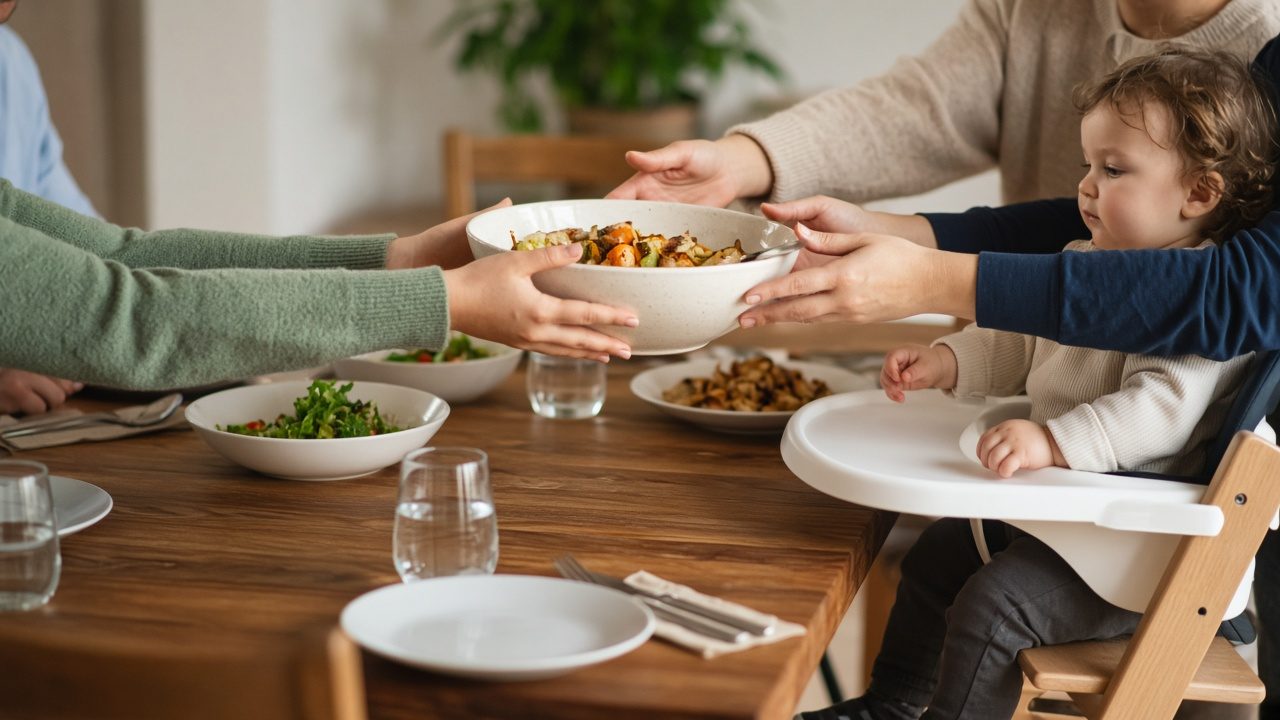
Dinnertime is frequently the most stressful meal of the day, as tired parents encounter exhausted toddlers who have depleted their sensory reserves. Designing an adaptable evening dining routine requires a firm commitment to single-meal cooking paired with intentional safe-food inclusion.
Never cook a completely separate dinner exclusively for your toddler. Short-order cooking unintentionally communicates to the child that they are incapable of eating family foods and reinforces selective eating habits over time. Instead, prepare one wholesome family meal that includes at least one or two components you know your toddler comfortably eats.
For example, if the family is having turkey chili, serve the chili alongside warm cornbread squares and sliced avocado. If your toddler refuses the chili itself, they can still nourish themselves on cornbread and avocado without anyone needing to jump up and microwave chicken nuggets. Integrating familiar safe items into your evening meal strategy preserves dinnertime peace while exposing children to family dishes. The toddler sits at the table, observes parents enjoying the chili, and receives valuable repeated exposure in a completely neutral setting.
Serve family meals “deconstructed” whenever possible. Many toddlers feel overwhelmed by mixed casseroles, burritos, or layered stews where individual ingredients cannot be visually identified. Serving taco night with bowls of seasoned mashed beans, shredded cheese, mild salsa, and soft tortillas allows your child to assemble their own plate and feel an empowering sense of agency.
Implementing a Repeatable Weekly Plan for Toddler Dinners

To eliminate daily decision fatigue, establish a weekly meal schedule that repeats familiar themes across each weekday. When meals follow a predictable rhythm, children know what to expect, and caregivers spend significantly less mental energy wondering what to prepare each morning.
Consider structuring your weekly dinners around reliable, customizable themes:
- Monday (Pasta Night): Mild marinara or olive oil pasta paired with soft meatballs cut into small pieces no larger than one-half inch, and soft steamed broccoli florets.
- Tuesday (Taco & Bowl Night): Warm mashed black beans, shredded cheddar cheese, diced avocado, and warm tortilla wedges.
- Wednesday (Breakfast for Dinner): Fluffy scrambled eggs, whole-grain waffles, and sliced strawberries.
- Thursday (Sheet Pan Night): Roasted chicken and baked sweet potatoes both cut into pieces no larger than one-half inch, paired with peeled cucumbers diced small to avoid choking.
- Friday (Pizza Night): Whole-wheat pita pizzas topped with mild tomato sauce, melted cheese, and favorite veggie toppings.
This thematic template provides comforting predictability for anxious toddlers while allowing subtle variations in vegetables, seasonings, and side dishes. You can maintain this rotation for weeks, swapping individual seasonal produce items to encourage ongoing flexibility.
Apply the same thematic structure to morning and afternoon snacks. Pairing a fruit with a protein—such as paper-thin apple slices with shredded cheese (avoiding choking chunks as advised on HealthyChildren.org) or whole-grain crackers with hummus—ensures that snack times provide lasting nourishment.
Proven Guidelines to Keep Daily Eating Habits on Track
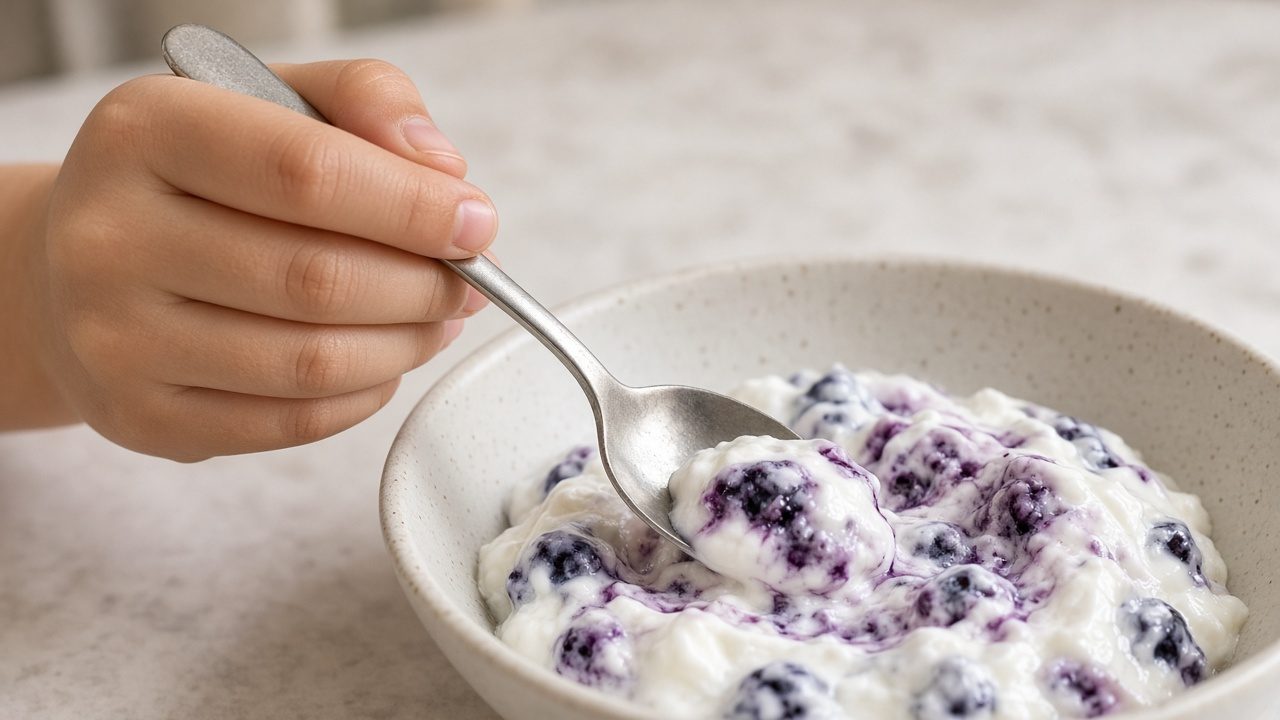
Maintaining a calm, consistent approach is essential when executing your weekly picky eater meal plan. First, establish clear transitions before meals. Giving toddlers a five-minute warning before washing hands allows them to disengage from active play and transition smoothly into a calm mealtime mindset.
Second, ensure proper physical seating posture. Always ensure young children are seated safely at the table rather than walking, running, or playing while eating, which significantly increases choking risks according to HealthyChildren.org.
Third, keep meal duration reasonable. If your child has finished eating or shows clear signs of restlessness, calmly dismiss them without lectures or prolonged cajoling. Forcing a child to sit at the table until they take specific bites only builds resentment and turns meals into an emotional battleground.
By relying on a structured, compassionate meal schedule, you provide your toddler with the security they need to explore new flavors and build lifelong wholesome eating habits.
Frequently Asked Questions
How much food should you serve a picky toddler at each meal?
A reliable rule of thumb is offering one tablespoon of each food item per year of your child’s age. Serving smaller, manageable portions prevents anxious toddlers from feeling overwhelmed before taking their first bite. Children can always request additional helpings if their appetite demands more food.
What type of milk is recommended for toddlers over two years old?
According to pediatric nutritional guidance on HealthyChildren.org, young children stay on whole milk until two years of age. After age two, pediatricians recommend transitioning to low-fat or nonfat milk. Limiting excessive milk between meals also helps preserve a healthy appetite for solid meals.
Why is it helpful to serve family meals deconstructed?
Many selective toddlers feel anxious when confronted with mixed casseroles, layered stews, or burritos where ingredients cannot be visually identified. Serving meal components separately allows children to see each food clearly and assemble their own plates. This approach fosters a positive sense of autonomy and reduces table resistance.
How can parents prevent choking during toddler meals?
Parents should ensure children remain seated safely at the table rather than walking or playing while eating, which increases choking risks according to HealthyChildren.org. Firm produce, cheese, and meats should be diced into pieces no larger than one-half inch, while round foods like blueberries should be mashed or sliced. Avoid serving large chunks or whole hard foods.