Navigating a sudden toddler food jag can feel deeply concerning for parents who watch their child refuse almost everything except one single, beloved item at every meal. A food jag occurs when a selective child fixates exclusively on a specific item, demanding it for breakfast, lunch, and dinner before eventually burning out and dropping that food from their diet entirely.
Parents frequently encounter this behavioral phase during the toddler years. A toddler might suddenly insist on consuming only plain macaroni, toasted bread with butter, or a specific brand of yogurt. When parents serve only the requested item at every sitting, the child may eventually tire of it and drop the food from their current favorites.
According to pediatric feeding resources on HealthyChildren.org, picky eating is a normal developmental stage as toddlers explore independence and control. Understanding the principles of toddler picky eating helps parents respond with calm patience rather than anxiety.
Rather than battling your child or caving completely to repetitive food demands, parents can use proven sensory bridging techniques to gently expand variety. By pairing familiar favorites with slight variations in shape, texture, and flavor, you prevent sensory burnout while keeping meals peaceful and positive. Combining this approach with our systematic food chaining guide provides a reliable path toward expanded eating.
Understanding Why Food Fixations Develop in Early Childhood
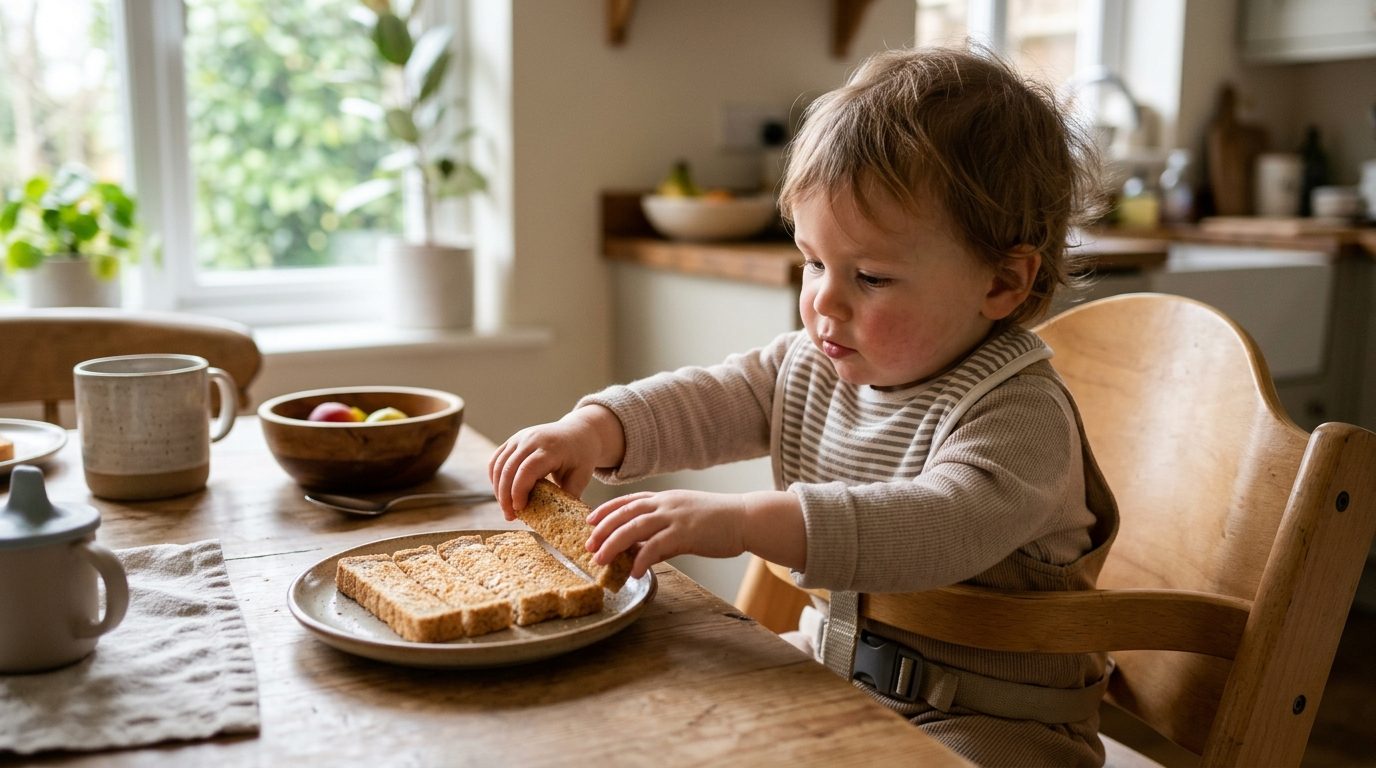
To address repetitive eating habits effectively, caregivers must first understand the psychological and sensory mechanisms driving them. Toddlerhood is marked by immense cognitive leaps accompanied by heightened environmental vulnerability. In a world full of rapid changes, unfamiliar social demands, and unpredictable experiences, a familiar food offers comforting sensory certainty.
When a young child bites into a commercial cracker or a plain slice of bread, the flavor, texture, crunch, and temperature are identical every single time. In contrast, whole foods like berries, vegetables, and home-cooked proteins naturally vary in sweetness, firmness, and appearance from day to day. A toddler who prefers predictability naturally clings to familiar carbohydrates to avoid unexpected tastes or textures.
The Trap of Food Burnout and Diet Narrowing
A common frustration when offering the same food repeatedly is that a child may suddenly reject it. While toddlers’ favorite foods can change quickly, serving slight variations can help maintain interest in familiar foods.
Preventing food fatigue is easier when parents gently modify the familiar food over time to encourage flexibility. Small adjustments in shape, texture, or temperature allow young children to explore subtle variations safely.
Developmental Autonomy and Boundary Testing
Mealtime fixations also serve as a prime testing ground for developing autonomy. When toddlers realize that food refusal triggers intense parental worry, coaxing, and special short-order cooking, eating transforms into a high-stakes power struggle. Children quickly learn that declaring intense cravings gives them control over their environment.
Establishing clear, loving boundaries around meal preparation frees both parent and child from this exhausting dynamic. When parents decide what foods appear on the table while honoring their child’s comfort level, tension dissipates. Explore our in-depth analysis of the division of responsibility in feeding to master balanced table leadership.
Subtle Modification Strategies to Prevent Sensory Burnout
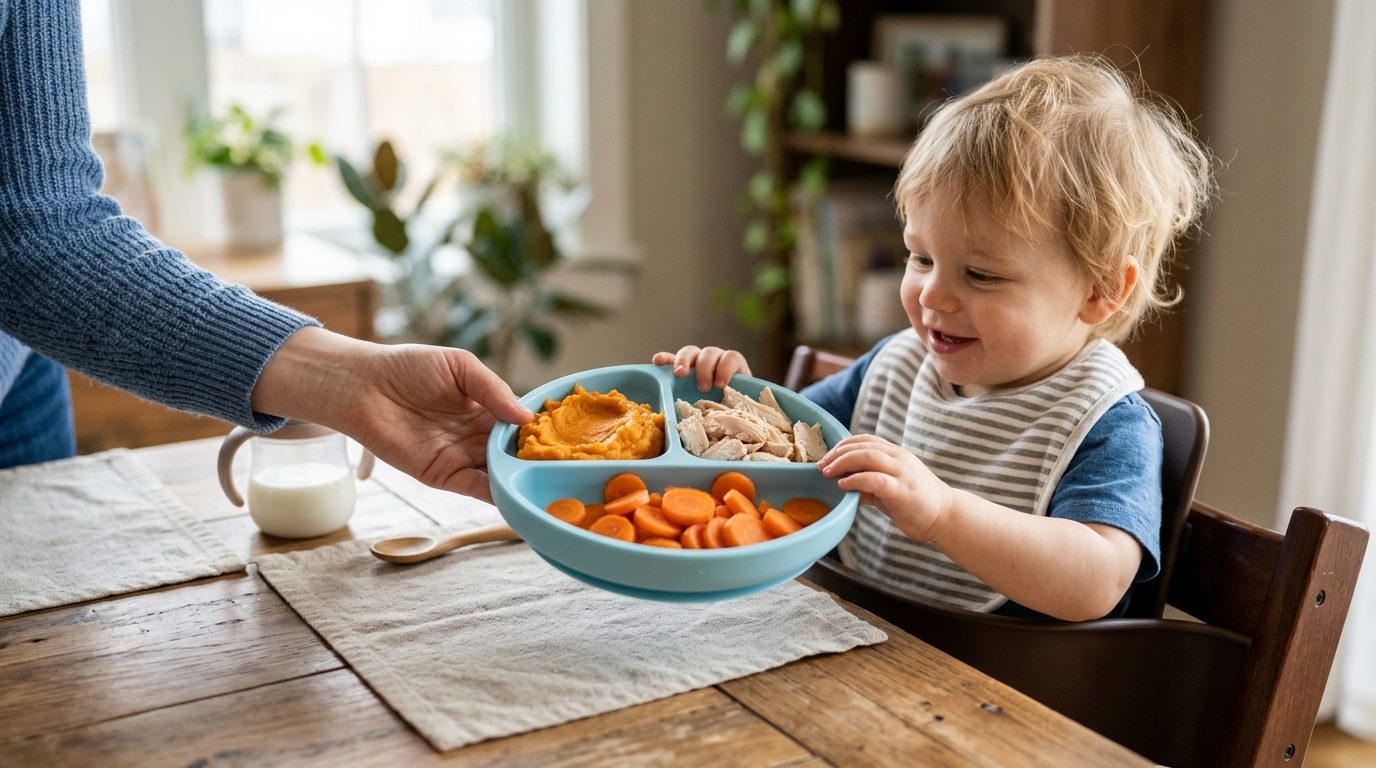
The most effective way to help a child expand their palate is making subtle, gradual modifications to the fixated item. Rather than removing the preferred food abruptly, keep healthy options available and serve the preferred item alongside small adjustments in presentation, texture, or temperature.
For example, if your child insists on toasted white bread cut into squares, continue serving bread, but cut it into triangles or narrow finger strips. Once that variation is accepted without protest, lightly toast the bread a shade darker or spread a microscopic layer of mild cream cheese or mashed avocado across the surface. These gentle micro-adjustments teach young sensory pathways that slight changes are safe.
Varying Shapes, Cuts, and Presentation Styles
Visual changes are often the easiest sensory hurdle for toddlers to overcome because the underlying flavor remains familiar. Changing the physical appearance of an accepted food creates valuable cognitive flexibility without triggering taste aversions. Use small cookie cutters to create playful shapes from bread, soft pancakes, or sliced cheese.
Serve the modified food in different colored bowls or divide it across separate compartments of a fun tray. Involving your child in cutting bread strips with a child-safe wooden knife builds tactile familiarity and ownership. Small visual victories pave the way for more meaningful dietary expansions.
Altering Brands, Temperatures, and Accompaniments
After your child demonstrates tolerance for visual changes, begin introducing subtle variations in brand and temperature. If your toddler fixates on a specific brand of yogurt, purchase a similar plain variety and mix ninety percent of the familiar brand with ten percent of the new brand. Gradually shift the ratio over several weeks until the new texture is fully embraced.
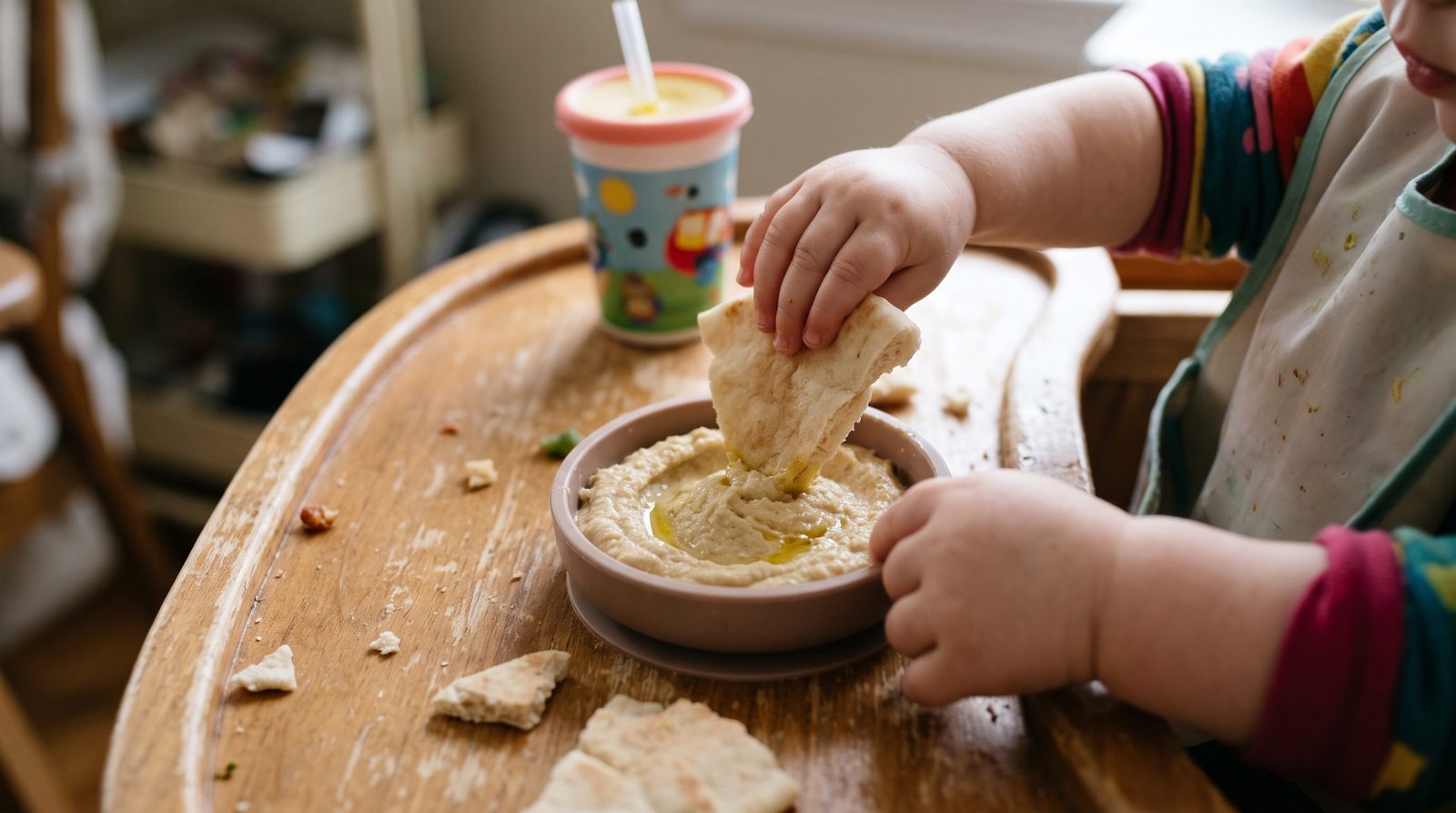
Similarly, experiment with serving foods at room temperature rather than chilled, or lightly warmed rather than piping hot. Pair the staple with a mild dipping sauce, such as warm applesauce, mild plain yogurt, or smooth hummus. Gentle pairing allows the child to control how much new flavor touches their favorite food.
Structured Meal Routines and Low Pressure Table Habits
Reversing selective eating patterns requires a calm, structured meal environment free from performance pressure. Pediatric feeding guidance on HealthyChildren.org advises parents not to force children to eat, noting that bribes and food battles usually create more problems. In addition, guidance on HealthyChildren.org notes that pressure or punishment can lead a child to dislike foods they might otherwise accept.
Instead, serve meals and snacks at about the same time each day, avoiding snacks too close to mealtime. When mealtimes arrive, serve family meals family-style or present divided plates containing one safe accepted food alongside family dinner components. Never force your child to taste, lick, or finish any item on their plate.
Keep conversations at the table centered around pleasant daily topics rather than analyzing what your child is eating. When the child feels zero pressure to perform, their natural curiosity has space to surface. A relaxed child is infinitely more willing to reach out, touch, smell, and eventually taste unfamiliar foods.
Safe Food Combinations and Balanced Nutrient Alternatives
While parents work patiently to broaden a selective palate, meeting foundational nutrient requirements remains an understandable priority. Fortunately, toddlers require modest quantities of essential nutrients to thrive. Finding simple nutrient bridges helps protect growth without turning dinners into battlegrounds.
If your child refuses meats, offer tender proteins like scrambled eggs, mashed legumes, soft tofu cubes, or shredded cheese. If green vegetables are rejected, offer sweet orange produce like mashed sweet potato or pureed butternut squash, which provide beneficial vitamin A. For practical weekday meal templates, explore our wholesome picky toddler dinner ideas.
Always practice safety when preparing finger foods for toddlers, following CDC choking prevention guidance. Avoid serving hard, round, or sticky foods that pose choking hazards, cut foods into small pieces, and offer shredded cheese rather than large chunks to ensure safe chewing.
When to Consult a Pediatrician About Extreme Selectivity
Most cases of selective eating and food fixations resolve naturally with patient guidance and consistent table boundaries. However, persistent difficulties warrant talking to your pediatrician to discuss your child’s feeding patterns and growth. Knowing when to seek clinical guidance provides peace of mind.
Talk to your pediatrician if you have concerns about your child’s diet or growth, if they drop entire food groups, or if they experience persistent gagging, vomiting, or coughing during meals. You should also seek medical input if feeding difficulties are accompanied by poor weight gain, declining growth percentiles, or extreme family anxiety. A pediatrician can review your child’s development and provide personalized guidance.
Frequently Asked Questions
What is a food jag in toddler development?
A food jag occurs when a toddler demands to eat the exact same single food at every meal for days or weeks at a time. This common developmental phase stems from a desire for sensory predictability, autonomy, and emotional comfort in a rapidly changing world. If offered continuously without variety, a child may eventually grow tired of the item and drop it from their diet.
How can parents stop a toddler from eating only one food?
Parents can gently break a food fixation by making small, gradual changes to the preferred item without removing it abruptly. Alter the shape, cut, brand, or temperature of the food, and serve it alongside familiar family staples without pressure. Maintaining a structured meal routine and avoiding short-order cooking helps toddlers accept broader variety over time.
Will my child become malnourished during a picky eating phase?
Most toddlers maintain adequate nutrition during picky eating phases because growth slows down after infancy and appetite naturally drops. Offering a balance of healthy foods across the week helps ensure they receive sufficient energy and vitamins. If you notice weight loss, lethargy, or extreme dietary limitations, consult your pediatrician for clinical advice.
When should parents seek clinical help for selective eating?
Parents should talk to your pediatrician if you are concerned about your child’s overall diet, if they completely avoid entire food groups, or if they gag frequently on soft textures. Professional evaluation is also recommended if your toddler exhibits poor weight gain or if mealtimes cause severe emotional distress for the family. A pediatrician can review your child’s growth and discuss their overall eating habits.