Discovering quick, nutritious toddler lunch ideas picky eater routines embrace helps busy parents serve wholesome midday meals that selective children happily consume without table battles. Lunchtime often falls during a tricky developmental window when morning energy wanes and afternoon nap fatigue begins setting in, making approachable, bite-sized finger foods essential for success.
Young toddlers often develop strong preferences regarding texture, temperature, and visual presentation. When confronted with large, mixed meals such as complex sandwiches or heavy casseroles, cautious toddlers frequently shut down and refuse to eat. Transitioning to divided bento-style plates, deconstructed finger foods, and interactive dip platters transforms lunchtime into an inviting sensory experience.
Pediatric nutrition guidelines on HealthyChildren.org highlight that toddlers do well with simple finger foods that support their developing self-feeding skills. Offering varied food groups in approachable micro-portions allows children to explore flavors independently without pressure. Applying core principles of toddler picky eating creates peaceful midday routines for the entire household.
Whether packing lunch for daycare or preparing a quick plate at home, having a repertoire of dependable lunch concepts saves time and reduces parental worry. Pairing these midday templates with our structured healthy snacks for picky toddlers ensures your child maintains steady energy and optimal nutrition throughout their active day.
Divided Bento Box Lunches for Low Stress Midday Meals
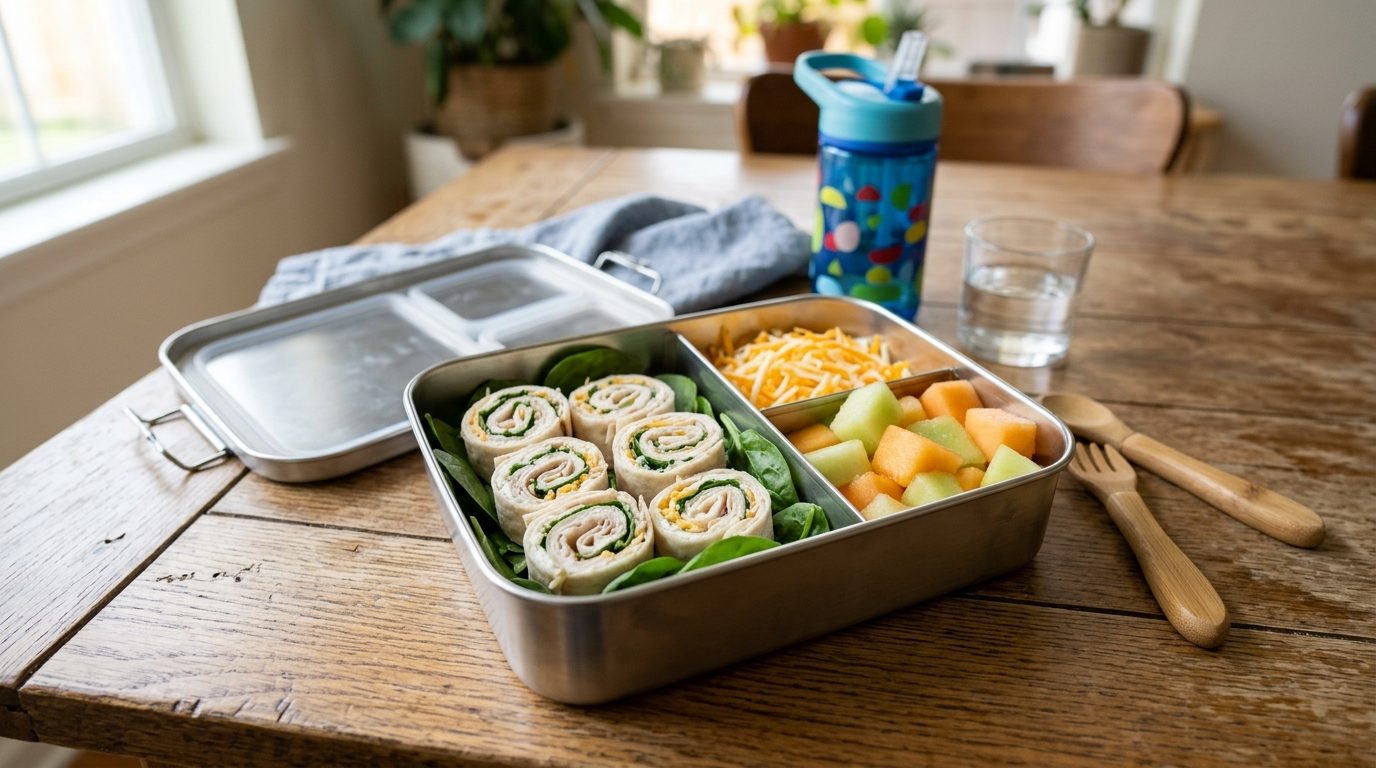
Divided bento-style lunchboxes are arguably the most successful tool for feeding selective toddlers at midday. Young children are intensely visual eaters who are easily overwhelmed when different foods touch or blend together on a plate. Compartmentalized containers keep each component neatly separated, providing visual clarity and sensory reassurance that lowers mealtime anxiety.
Bento boxes also naturally encourage parents to serve balanced variety in realistic toddler-sized portions. Rather than worrying about preparing a single large entree, parents can assemble a colorful assortment of finger foods across four or five small compartments. Seeing bright colors and manageable portions invites natural curiosity and encourages self-directed eating.
Essential Bento Box Components for Balanced Energy
To construct a nourishing midday bento box, select one simple item from each primary nutritional category: proteins, wholesome carbohydrates, colorful produce, and healthy fats. For protein, pack tender shredded chicken, scrambled egg bites, soft mashed legumes, or finely shredded cheese. Protein provides important nutrition for growing toddlers.
Add complex carbohydrates such as whole grain crackers, soft pita triangles, or cold cooked rotini pasta. Fill the remaining compartments with tender produce like steamed carrot coins, soft ripe strawberry slices, or diced avocado. For more structured meal frameworks that simplify weekly menu planning, review our comprehensive picky eater meal plan.
Daycare and Preschool Packing Strategies
When packing lunches for childcare settings, temperature and convenience are critical considerations. Select items that taste delicious at room temperature or can be kept cool with a simple non-toxic ice pack. Avoid foods that require reheating, as daycare staff often have limited time to warm individual containers.
Ensure all containers feature child-friendly latches that your toddler can open independently to foster autonomy and confidence. Label all components clearly and pack a soft cloth napkin for messy fingers. A predictable, familiar packed lunch provides comforting continuity while children navigate busy group environments.
Roll Ups and Pinwheels That Toddlers Love
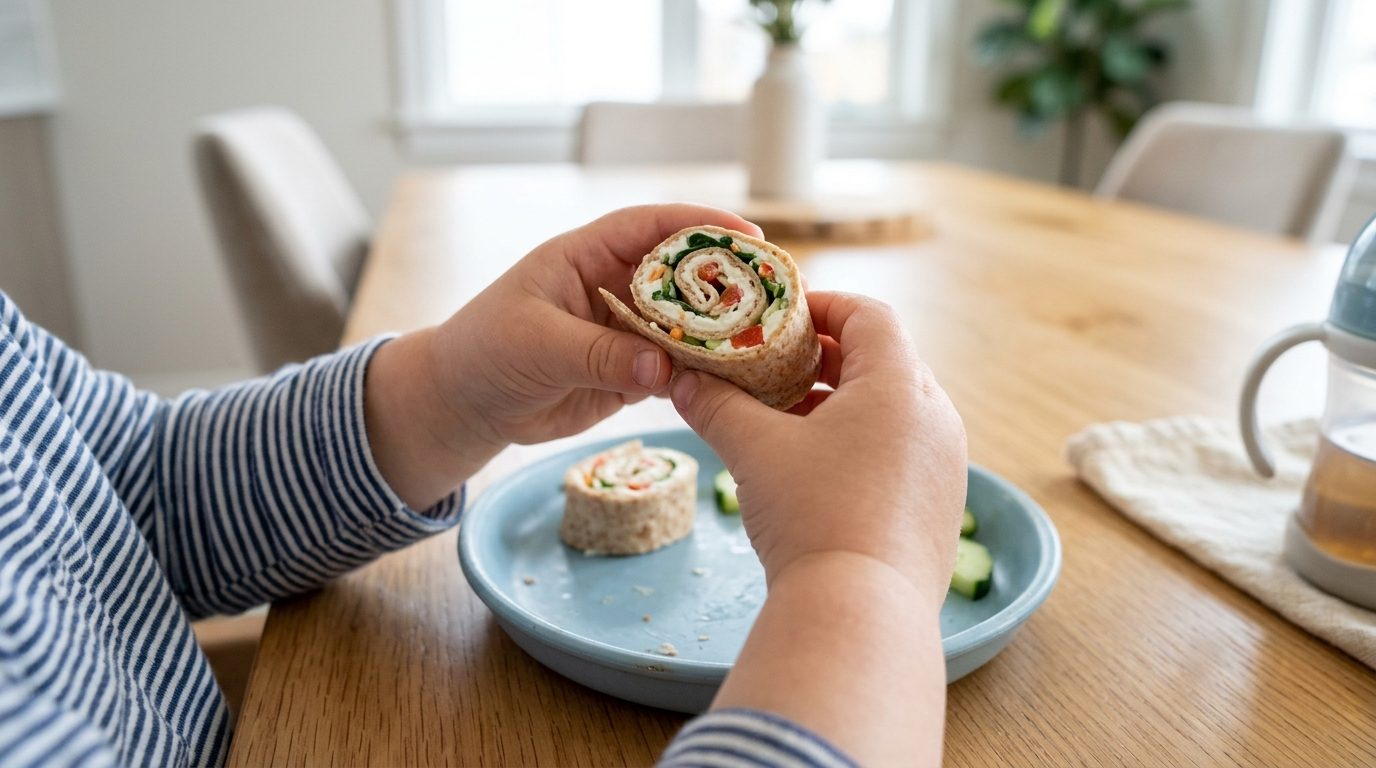
Traditional sandwiches made with two thick slices of bread are often difficult for young toddlers to chew and swallow. Soft tortilla roll-ups and pinwheels offer an easy-to-manage alternative that delivers classic sandwich flavors in tender, bite-sized spirals.
To make wholesome pinwheels, take a soft whole wheat or spinach tortilla and spread a thin layer of mild cream cheese, mashed avocado, or smooth hummus across the surface. Add a layer of thinly sliced turkey breast or finely shredded cheddar cheese. Roll the tortilla into a log, slice it into small rounds, cut the rounds in half for younger toddlers, and arrange the tender pieces flat in your child’s lunchbox.
Flavor Combinations for Selective Palates
Keep flavor profiles simple, familiar, and mild when introducing wraps to cautious eaters. A classic favorite is the sweet roll-up made with a thin smear of cream cheese and thinly sliced fresh strawberries or soft banana rounds. The natural sweetness of the fruit pairs beautifully with the rich cream cheese, creating an instant hit for cautious toddlers.
Another excellent savory combination is mashed avocado paired with finely shredded chicken breast and a sprinkle of mild shredded cheese. Avocado provides healthy fats that help keep lunch filling and satisfying. Slicing roll-ups into small bite-sized discs allows little fingers to grip them securely without dropping ingredients.
Texture Modifications for Oral Comfort
Always inspect the texture of your wrap to ensure it remains pliable and easy to chew. If using whole wheat tortillas, warm them slightly between damp paper towels for ten seconds to soften the grain before rolling. This prevents the wrap from cracking and ensures a tender, melt-in-the-mouth texture.
Never pack thick, fibrous meats or bulky vegetables inside a toddler’s pinwheel. Ensure all fillings are finely shredded or mashed smoothly to prevent chewing fatigue. For families looking to expand their morning meal routines as well, explore our practical guide on breakfast for picky eater toddler ideas.
Deconstructed Meals and Finger Food Platters
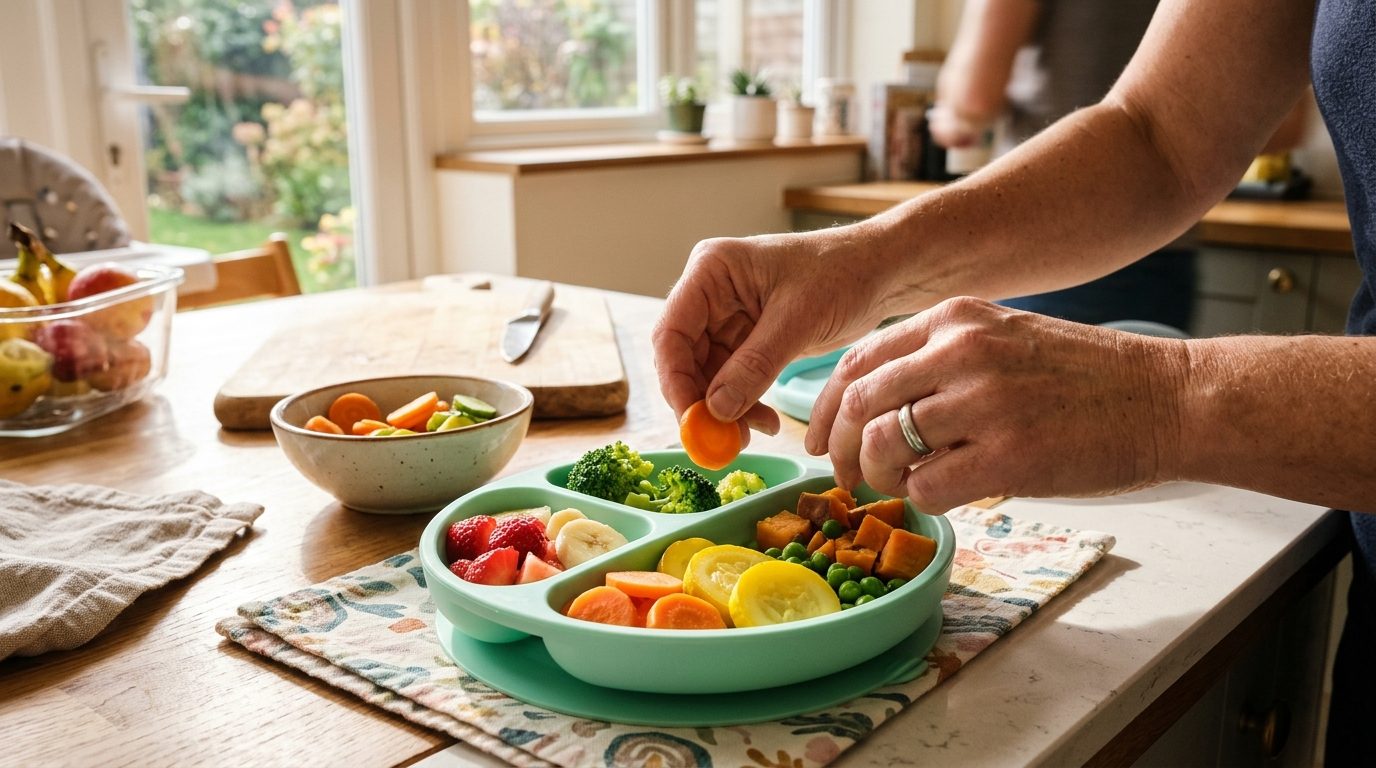
Deconstruction is a wonderful culinary philosophy that removes stress from family lunches. Instead of serving an intimidating composite dish like pasta salad, tacos, or chicken salad sandwiches, present the individual components side by side on a platter. This simple presentation honors young sensory boundaries while requiring zero additional cooking.
For a deconstructed pizza lunch, offer whole grain pita squares, a small dipping cup of warm marinara sauce, and a dish of finely shredded mozzarella cheese. Toddlers delight in dipping their pita into the sauce and sprinkling their own cheese on top. Interactive eating transforms lunch from a chore into a playful, engaging sensory activity.
Dip Platters That Spark Table Curiosity
Toddlers are naturally tactile and love having an active role in their dining experience. Serving wholesome finger foods alongside flavorful dips encourages cautious children to touch, smell, and taste foods they might otherwise reject. Dips also add moisture, making dry foods far more pleasant and effortless to swallow.
Nutritious dip bases include smooth hummus, plain whole milk Greek yogurt mixed with mild herbs, mashed guacamole, and unsweetened applesauce. Pair these dips with soft steamed zucchini strips, peeled and thinly sliced or quartered cucumber, or soft whole wheat toast points. Dipping empowers children with control over how much flavor accompanies each bite.
Choking Prevention and Safe Produce Prep
Safety must always remain top of mind when preparing midday meals for children under four years old. Review the vital safety directives provided by the Centers for Disease Control and Prevention on CDC.gov to ensure safe food handling.
Never serve high-risk choking foods such as whole cylindrical foods, hot dogs, spoonfuls of peanut butter, tough meats, or raw hard vegetables. Always cut small round fruits into thin lengthwise quarters, steam firm vegetables until soft, and cut foods into small, bite-sized pieces.
Warm Thermos Lunches for Comfort on Chilly Days
When autumn and winter arrive, warm thermos lunches provide comforting, belly-warming nutrition for toddlers. Insulated food jars keep mild soups, tender pasta dishes, and grain bowls warm for hours, offering a soothing alternative to cold finger foods. Young children often find warm, tender dishes exceptionally comforting during active days.
To ensure thermos foods stay hot until lunchtime, preheat the insulated container by filling it with boiling water for ten minutes before packing. Dump the water, wipe the interior dry, and immediately transfer freshly heated food into the jar before sealing tightly. Great warm options include soft chicken noodle soup with tender star-shaped pasta, creamy mild butternut squash soup, or tender macaroni with finely grated veggies folded into mild cheese sauce.
Always test the temperature of thermos food before serving it to your toddler to prevent accidental mouth burns. Provide a child-sized spoon with a comfortable silicone grip to support independent spoon feeding. Warm, nourishing comfort food provides sustained energy that prevents afternoon meltdowns.
Low Pressure Lunchtime Habits for Busy Families
Executing creative toddler lunch ideas picky eater routines rely on is far more successful when supported by a peaceful, pressure-free dining environment. Avoid hovering over your child or urging them to take one more bite. Pediatric feeding guidance on HealthyChildren.org advises parents not to force children to eat, noting that food battles and bribes create more problems than they solve.
Allow your toddler adequate time to explore their lunch at their own pace. When they signal fullness by pushing their plate away or asking to leave the table, calmly accept their decision without criticism. Consistently providing nutritious options on a reliable timetable fosters lifelong healthy relationships with food.
Frequently Asked Questions
What can I pack for my picky toddler’s lunch at daycare?
Great daycare lunch ideas for a picky toddler include divided bento boxes filled with soft whole grain crackers, shredded cheese, sliced strawberries, and tender turkey pinwheels. Packing room-temperature finger foods in compartmentalized containers keeps items separated and allows cautious children to feed themselves independently without anxiety.
How do I make sure my picky eater gets enough protein at lunch?
Incorporate soft, easy-to-chew proteins that do not fatigue developing jaw muscles during midday meals. Excellent toddler protein options include scrambled egg bites, soft mashed legumes, shredded chicken, mild tofu cubes, plain Greek yogurt, and finely shredded cheese. Pairing protein with familiar produce ensures balanced, sustained energy.
What should I do if my toddler refuses to eat lunch?
If your toddler refuses to eat lunch, calmly remove the plate when the meal is over without displaying frustration or preparing special backup treats. Reassure your child that food will be available at afternoon snack time in a couple of hours. Maintaining structured intervals between eating opportunities helps rebuild natural appetite.
When should parents consult a pediatrician about toddler eating habits?
Parents should talk to your pediatrician if meal refusal is accompanied by weight loss, dropping growth percentiles, or chronic low energy. You should also seek clinical guidance if your child exhibits frequent gagging, difficulty swallowing soft textures, or significant dietary limitations. A medical professional can assess oral-motor development and provide personalized support.