Learning how to get toddler to eat vegetables requires patience, predictable mealtime routines, and zero-pressure sensory exposures that allow young children to explore greens at their own developmental pace. When parents stop forcing bites and instead offer tiny portions of vegetables alongside trusted safe foods, toddlers gradually build the comfort and confidence needed to taste unfamiliar produce over time.
Refusing vegetables is one of the most common phases of early childhood. Between twelve and twenty-four months of age, children naturally develop an instinctual wariness of unfamiliar textures, colors, and bitter taste profiles. While sweet fruits and starchy foods feel instantly safe to a toddler palate, the subtle bitterness and fibrous crunch of green produce often trigger immediate sensory hesitation.
When caregivers become anxious about daily nutrient numbers, mealtimes frequently devolve into emotional negotiations. Embracing the foundational principles of toddler picky eating helps parents reframe dinner from a high-stakes nutritional test into a relaxed sensory learning opportunity. Children quickly sense when food is being pushed onto them, which activates their natural instinct to resist eating.
Clinical feeding recommendations from the American Academy of Pediatrics on HealthyChildren.org emphasize that forcing a child to eat can make them dislike foods they might otherwise enjoy. In this guide, we explore practical culinary adjustments, low-pressure serving frameworks, and creative sensory activities designed to transform your kitchen into a calm space where toddlers learn how to eat vegetables naturally.
Understanding Why a Young Toddler Refuses Greens
To end mealtime friction, parents must first understand why young children naturally hesitate to eat vegetables. A toddler often dislikes bitter and sour tastes at first, making them sensitive to compounds commonly found in cruciferous vegetables like broccoli, kale, and Brussels sprouts. What tastes pleasantly earthy to an adult can taste harsh to a cautious young palate.
Furthermore, early childhood is marked by a fierce drive for personal autonomy. Learning to walk, run, and express preferences empowers toddlers to assert control wherever possible. Because eating is an internal bodily process, refusing to eat vegetables becomes an accessible way for a toddler to assert independence. Parents wonder how to get their child to try new dishes when dinner feels like a struggle.
Adjusting Vegetable Texture and Temperature
Many toddlers reject vegetables not because of flavor, but because of how produce feels inside the mouth when they eat. Mushy overcooked broccoli or squeaky steamed green beans can trigger oral sensory defensiveness in sensitive children. Roasting vegetables on a sheet pan with olive oil until the edges become lightly golden and caramelized significantly reduces bitterness, helping a toddler eat them with an appealing crunch.
To prevent choking, the Centers for Disease Control and Prevention advises serving vegetables cooked soft, finely grated, or cut into very small pieces under adult supervision so a child can eat safely. For more actionable strategies on how to reduce mealtime pressure and get dinner back on track, explore our guide on the division of responsibility in feeding.
Simple Serving Methods to Help Children Eat Vegetables
How food is arranged on a plate directly impacts whether a cautious toddler feels curious or intimidated. Placing a large heap of roasted cauliflower on a child’s plate can instantly overwhelm their senses, leading to immediate rejection before they even eat a single bite. Serving micro-portions of vegetables, as small as a single pea or a half-inch snippet of steamed asparagus, presents an easy invitation to get comfortable rather than a burden.
Another essential technique is utilizing sensory separation. Many young children become distressed when saucy vegetables touch their favorite dry foods. Serving meals on divided silicone dishes keeps textures neatly partitioned, respecting your toddler’s sensory boundaries while keeping vegetables in close visual proximity so a toddler can choose when to eat.
Pairing Veggies with Familiar Safe Dips
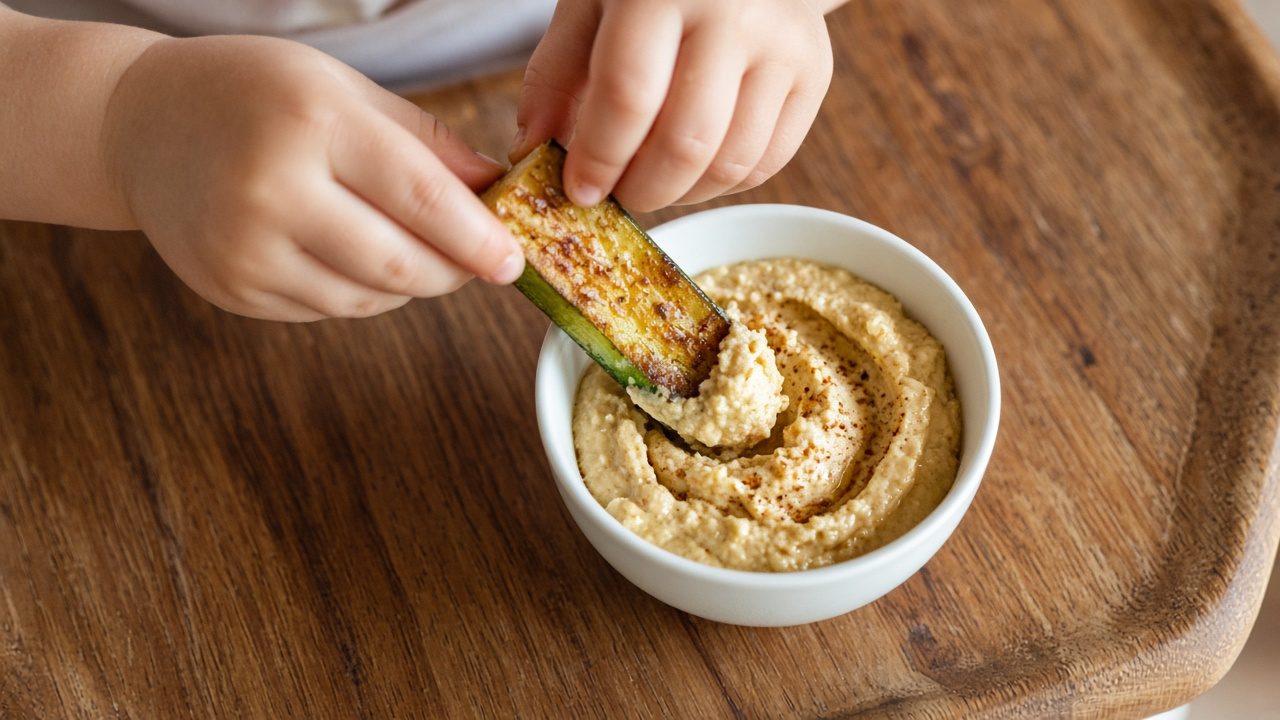
Condiments and flavorful dips serve as sensory bridges that make unfamiliar vegetables significantly more approachable when you want to get a toddler to taste new produce. Children love the interactive nature of dipping finger foods into sauces. Offering a small dish of warm marinara, mild yogurt dressing, smooth guacamole, or mild hummus transforms how a toddler approaches vegetables and makes eating a fun activity.
A dip also provides a comforting, familiar flavor anchor that softens subtle bitter notes in green vegetables. When a child dips a soft steamed carrot stick into a favorite sauce, the familiar sweetness of the dip leads the sensory experience. Understanding how to use dips is a simple way to get a toddler comfortable with vegetables. If you want to map out structured ingredient transitions that link accepted safe items to new produce, review our detailed overview of food chaining.
Fun Sensory Activities to Explore Vegetables

Children must learn to feel comfortable with vegetables through sight, smell, and touch long before they are ready to eat them. Expecting an extremely selective toddler to place an unfamiliar vegetable directly into their mouth is demanding the hardest step first. Creating low-pressure sensory play opportunities away from the dinner table allows a child to explore vegetables without any expectation that they must eat.
You can set up simple food exploration trays on a clean kitchen counter to get your toddler interested in vegetables. Encourage your child to explore soft pieces of vegetables by color, touch varied textures, or stamp patterns onto paper using cut celery ends and washable paint to discover how fun produce can be.
Kitchen Helping Tasks for Toddler Hands
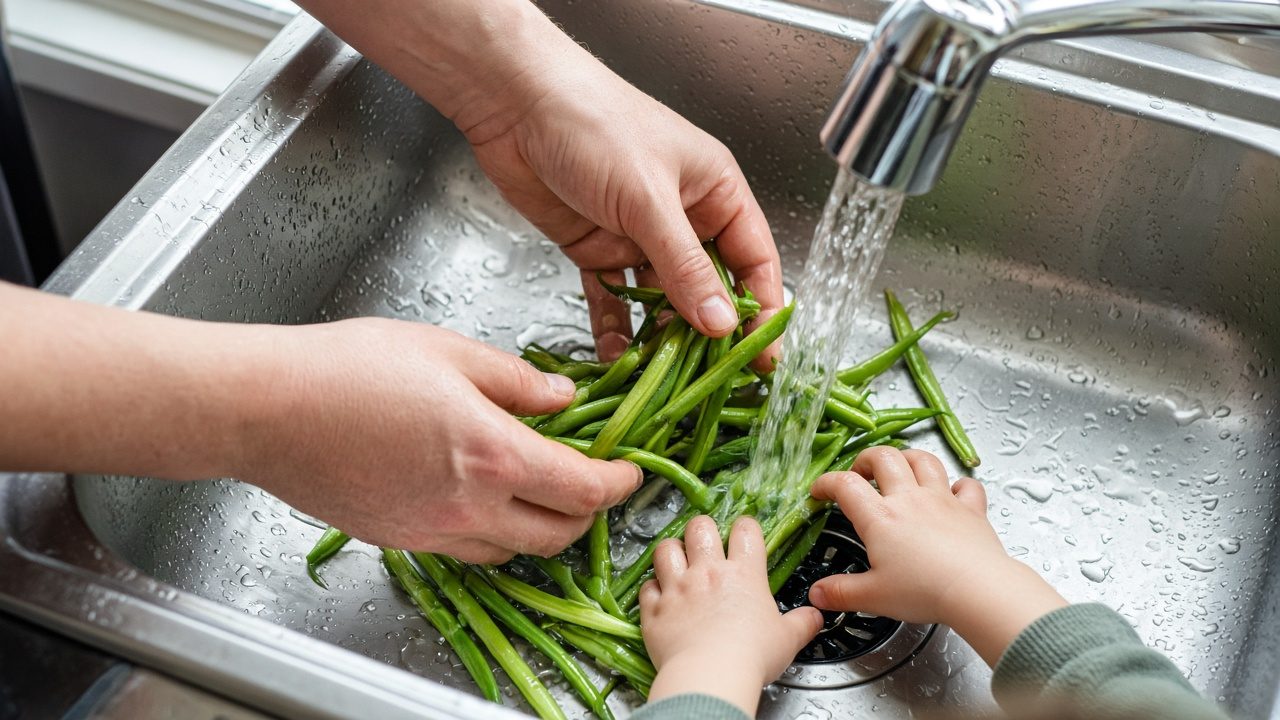
Inviting your child into the kitchen transforms them from passive dining critics into invested culinary helpers. Even a young toddler aged eighteen months to three years can safely accomplish simple prep tasks with close adult supervision to get familiar with raw produce. A toddler can tear crisp lettuce leaves into large wooden bowls, wash zucchini under running water, spin salad spinners, or shake sealed bags containing olive oil and diced squash.
While helping in the kitchen, children interact with the fresh aromas and varied textures of vegetables in an environment completely free of dining expectations. Learning how meals are prepared helps a toddler build confidence before sitting down to eat. Pediatric feeding specialists at HealthyChildren.org note that involving children in choosing and preparing food makes them more likely to try it. For more everyday routine tips to streamline your feeding journey, read our practical collection of picky eater tips.
Gentle Flavor Bridges and Dips a Toddler Will Try
When thinking about how to get toddler to eat vegetables, parents often overlook the power of combining produce with comforting ingredients children already love. Lightly tossing steamed green beans in melted butter, topping roasted broccoli with finely shredded cheese, or blending pureed butternut squash into a creamy cheese sauce creates familiar comfort that helps a child eat vegetables without complaint. Shredded cheese adds calcium and rich savory flavor while remaining soft and easy for a toddler to chew safely.
Baking vegetables directly into everyday family recipes offers another gentle way to get a toddler accustomed to their flavor and color. Grated zucchini or finely shredded carrots blend seamlessly into moist whole wheat muffins, oatmeal breakfast bars, and tender turkey meatballs so a toddler can eat vegetables at snack time. Importantly, this technique should not be used to secretly trick a child; rather, openly celebrate the colorful green flecks in their breakfast muffin as a normal, delicious ingredient to help your toddler eat with pride.
Parent Mindset Shifts for Long-Term Dietary Success
Perhaps the most significant hurdle in feeding young children is managing parental expectations and mealtime anxiety. When a toddler pushes away vegetables night after night, it is natural for caregivers to worry about how to get adequate nutrition and wonder if their child will ever eat greens willingly.
A child who ignores vegetables at one meal may happily eat fruits, whole grains, and proteins at another, obtaining complementary vitamins and antioxidants. Removing urgency from dinner prevents parents from turning meals into exhausting battlefields over what a toddler will eat. Taking away mealtime pressure preserves your child’s natural intuitive hunger signals, reduces worry about how much they eat, and protects family connection.
If you have ongoing concerns regarding extreme sensory aversions, persistent coughing or gagging, or weight loss, talk to your pediatrician for personalized clinical support on how to help your toddler. For the vast majority of families, remaining consistent, learning how to present vegetables with calm neutral energy, and honoring your child’s boundaries will eventually get your toddler to eat happily over time.
Frequently Asked Questions
What should I do when my 2 year old refuses to eat vegetables?
When a 2 year old refuses to eat vegetables, remain calm and continue offering micro-portions alongside accepted safe foods without comment or pressure. Forcing bites or bribing children increases anxiety and prolongs mealtime refusal. Consistent neutral exposures over several weeks allow cautious toddlers to become familiar with produce at their own pace.
How many times must a toddler see a vegetable before tasting it?
Guidance from the American Academy of Pediatrics indicates that children may need to taste a new food 10 or more times before accepting it. Patience and regular presentations are essential during this developmental window.
Is it helpful to hide pureed vegetables in toddler meals?
Blending purees into sauces or baked muffins is a wonderful way to boost fiber and micronutrients, but it should not be done deceitfully. Transparently including vegetables in favorite family recipes helps toddlers understand that produce is a regular component of daily food. Always continue offering visible, recognizable pieces of vegetables on the plate alongside blended dishes.
When should parents consult a pediatrician about vegetable intake?
Parents should talk to your pediatrician if vegetable refusal is accompanied by weight loss, chronic lethargy, severe constipation, or extreme sensory distress across all food groups. You should also reach out if your child gags persistently on soft textures. A pediatrician can assess growth percentiles and recommend pediatric feeding therapy if needed.