When your toddler refuses to eat anything served at family mealtime, pediatric feeding experts recommend adopting the division of responsibility, offering micro-portions of familiar safe foods, and removing all pressure. Stepping back from dinner battles preserves mealtime connection and allows your child’s natural appetite to self-regulate without anxiety.
Every parent has experienced that sinking sensation in their stomach when a toddler takes one look at a carefully prepared plate, folds their arms, and announces a flat refusal to eat. Whether the dish is a family favorite or a brand-new recipe, complete menu rejection can instantly trigger deep feelings of parental inadequacy, worry, and mounting frustration.
You may find yourself wondering how a child can possibly thrive on what seems like thin air, or worrying that skipping dinner will harm their physical development. However, episodic meal refusal between ages one and four is one of the most predictable developmental stages in early childhood. Toddler growth naturally slows after the first birthday, leading to a normal decline in appetite.
Reviewing our comprehensive advice on toddler picky eating helps parents reframe food refusal as an expression of normal toddler development rather than a behavioral crisis. Understanding what drives mealtime strikes empowers families to respond with calm confidence rather than panic.
De-escalating Anxiety When Meals Turn into Table Stand-Offs

The single most important step when facing total food refusal is lowering the emotional temperature in the dining room. When parents become visibly distressed, plead, negotiate, or threaten consequences, the dinner table is transformed into a high-stakes psychological battleground.
Toddlers are acutely sensitive emotional barometers. When they sense that their eating has become the central focus of adult anxiety, they instinctively dig in their heels. Refusing to eat becomes their most powerful tool to assert control and defend personal autonomy in a world where almost every other choice is made for them.
According to guidance on HealthyChildren.org, parents are responsible for deciding what food is served and when, while children are the best judges of how much they should eat. Removing table pressure immediately diffuses power struggles.
Why Complete Food Rejection Triggers Parental Alarm
Parental anxiety around food refusal is deeply rooted in primal protective instincts. From the moment our children are born, feeding is the primary metric by which we measure our success as caregivers. When a child rejects our food, our brain interprets that rejection as an existential threat to their wellbeing.
Recognizing that your anxiety is a natural protective reaction allows you to take a deep breath and pause before reacting. Missing an occasional meal is common for toddlers and does not mean a healthy child is starving.
The Physiological Impact of Mealtime Stress on Appetite
According to advice on HealthyChildren.org, pressuring or forcing a child to eat makes mealtime battles worse. When children feel tense at the table, their appetite naturally declines. Creating a relaxed, pressure-free dining environment helps children feel comfortable around food.
Differentiating Developmental Autonomy from True Feeding Aversion

To respond effectively, parents need to distinguish between normal developmental autonomy and genuine oral sensory aversion. During the toddler years, children experience growing independence. They discover that their body belongs to them and naturally test boundaries to explore their agency.
Saying “no” to dinner is often a normal expression of autonomy. However, if a child regularly gags, shows extreme distress around food, or cannot manage soft textures, parents should ask their pediatrician for an evaluation.
Guidance on HealthyChildren.org notes that toddlers generally eat when they are hungry and stop when they are full, and an active child who is growing well is getting enough to eat.
Normal Growth Curve Shifts and Natural Caloric Fluctuations
After the rapid growth of infancy, growth rates slow down during the toddler years. Consequently, a toddler’s daily appetite naturally levels off compared to their first year of life.
A toddler who ate ravenously at ten months may naturally eat far less at two years. Some toddlers consume more of their daily calories during earlier meals, arriving at dinner with less appetite. Recognizing this rhythm helps parents avoid misinterpreting normal fullness as stubbornness.
How Toddler Independence Manifests Through Menu Refusal
Many feeding specialists observe that eating is one of the few areas where a child has direct physical control. While parents decide what is offered, a child ultimately decides what to chew and swallow.
When parents attempt to exert control over what goes into a child’s mouth, dinner becomes an unwinnable contest. When you surrender control over consumption, the contest evaporates, allowing natural hunger to take over.
Implementing the Division of Responsibility to Restore Table Calm
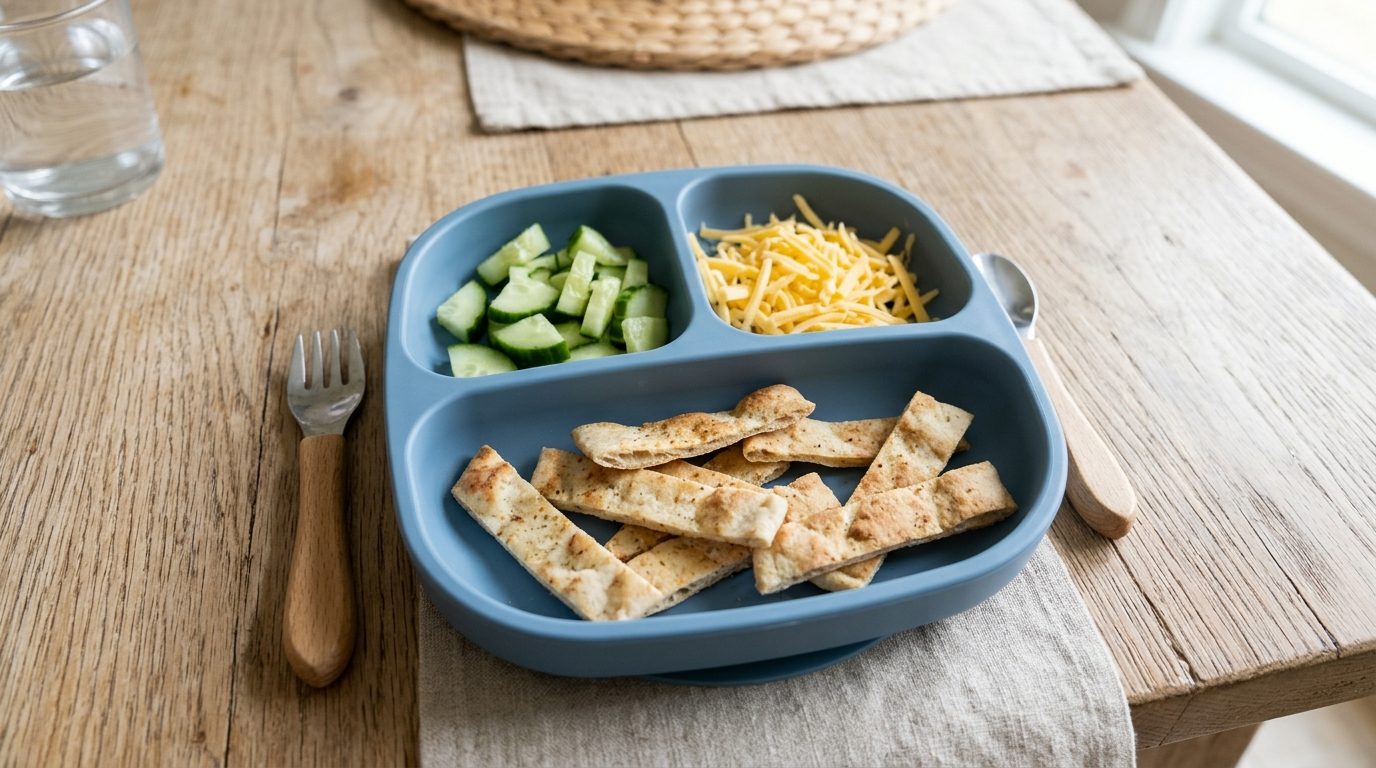
A widely respected framework for ending mealtime refusal is the division of responsibility in feeding, developed by registered dietitian and family therapist Ellyn Satter. This approach clearly outlines the roles of the parent and the child at every meal.
To master this framework, explore our in-depth guide on the division of responsibility in feeding. When parents faithfully honor their role and allow the child to fulfill theirs, table anxiety vanishes.
Additional advice on HealthyChildren.org emphasizes that forcing children to eat foods they do not want can make feeding problems worse, whereas patient, repeated exposure helps children learn to accept new foods over time.
Defining What When and Where Versus If and How Much
As the parent, your responsibility is to decide what food is offered, when meals and snacks occur, and where the family eats. You provide wholesome, balanced meals at scheduled intervals at the table, ensuring that at least one familiar safe food is present.
Your child’s sole responsibility is deciding whether to eat and how much to consume from the foods provided. If your child decides to eat nothing, you respect that decision completely. You do not scold, offer bribes, or cook a substitute meal. You simply say, “You do not have to eat; we are happy you are sitting with us.”
Practical Reset Steps for Overwhelmed Families at Dinnertime
If dinnertime has already devolved into tears and nightly arguments, implementing an intentional reset can help restore peace. Begin by establishing predictable daily meal intervals using our recommended toddler feeding schedule, spacing snacks at least two hours before meals without continuous grazing.
Eliminating continuous grazing ensures that your child arrives at the table with genuine physiological hunger. When a child is truly hungry, food becomes naturally appealing rather than an imposed demand.
You can also check our practical picky eater tips for additional environmental adjustments, such as using supportive footrests on highchairs and serving meals family-style.
Offering Low Stake Micro Portions Alongside Familiar Comfort Staples
When serving a hesitant eater, serve micro-portions no larger than a single pea or a single teaspoon of new foods. Massive adult mounds of food trigger visual overwhelm, making cautious children shut down before even picking up a utensil.
A single teaspoon of steamed peas is approachable and non-threatening. If the child eats it, they can feel the pride of finishing and request more. If they leave it untouched, no food is wasted and no anxiety is generated.
When to Seek Guidance and Medical Reassurance for Your Child
While episodic food refusal is common, parents should monitor their child’s overall wellbeing. Contact your pediatrician promptly if your child shows signs of illness, fever, dehydration, or weight loss, or if you have concerns about their growth.
Talk to your pediatrician for personalized clinical reassurance if you notice warning signs such as chronic lethargy, pain while chewing, recurrent choking, or severe sensory gagging. Your pediatrician can evaluate physical growth and connect your family with pediatric feeding therapy if needed.
For the vast majority of toddlers, meal refusal is a passing phase that resolves when table pressure is removed. Stay steady, maintain predictable routines, and trust your child’s innate wisdom to nourish their growing body.
Frequently Asked Questions
How long can a young child safely go without eating a full meal?
According to HealthyChildren.org, an active toddler who is growing normally is generally getting enough to eat, and intake often balances out over several days. If food refusal is accompanied by fever, signs of dehydration, or illness, consult your pediatrician promptly.
Should you offer an alternative snack when dinner is completely rejected?
No, cooking a separate substitute meal when dinner is rejected can reinforce refusal. Instead, ensure at least one familiar food is on the table. If dinner is not eaten, calmly clear the plate and offer a simple, scheduled bedtime snack later.
How can parents remain calm when a toddler skips dinner entirely?
Parents can remain calm by remembering that toddler growth naturally slows after age one, causing daily appetite to fluctuate sharply. Evaluate nutrition over a full week rather than a single meal. Remind yourself that honoring your child’s autonomy fosters lifelong intuitive eating habits and prevents destructive power struggles.
What red flags indicate a need for professional feeding evaluation?
Parents should consult a pediatrician promptly if a child loses weight, shows signs of dehydration, has a fever or illness, or gags frequently at meals. A pediatrician can check your child’s growth and determine if further support is needed.