When your toddler won’t eat dinner, the most effective response is staying calm, offering one reliable safe side, and removing all pressure to finish the plate. Evening meal refusal is frequently caused by physical fatigue, late-afternoon grazing, or developmental independence rather than willful disobedience.
For many tired parents, dinner represents the emotional finish line of a grueling workday. You have spent precious time shopping, chopping, and cooking a wholesome family meal, only to watch your child push the plate away with tears or defiance. When an exhausted 2 year old refuses dinner, it is easy to assume they are being stubborn on purpose. However, young children operate with very different physiological rhythms and emotional bandwidth than adults.
Understanding early childhood development helps reframe these challenging evening moments. Navigating selective eating becomes much simpler when parents learn the core principles of toddler picky eating and establish predictable kitchen boundaries. By identifying the root causes of mealtime resistance, you can build a peaceful dining table where everyone feels respected.
Pediatric feeding guidance published by the American Academy of Pediatrics on HealthyChildren.org highlights that picky eating is a normal developmental stage for young children. Recognizing this is the first step toward reclaiming dinnertime harmony.
Why an Exhausted Toddler Refuses the Evening Meal

The single most overlooked trigger for evening food refusal is sheer physical exhaustion. After a busy day of exploring, learning, and managing big emotions, young children arrive at the supper table with depleted mental and physical reserves. Sitting still, coordinating utensils, and chewing complex textures requires significant effort that a tired brain simply cannot muster.
Sensory processing also plays a major role during the late afternoon hours. When a sensory-overloaded 3 year old refuses dinner, the visual complexity, unfamiliar aromas, and mingling textures of a hot family dish can feel completely overwhelming. What appears appetizing to adults can cause sensory overwhelm in a weary toddler, triggering an instinctive defensive response to reject the food.
Furthermore, appetite patterns naturally shift as children grow. While infants grow rapidly, a toddler’s physical growth rate naturally tapers after the first year, leading to smaller or shifting evening appetites.
Recognizing Evening Fatigue and Sensory Overwhelm
Parents often interpret dinner refusal as misbehavior when it is actually an expression of nervous system fatigue. A child who has held their emotions together all day at daycare or preschool will naturally unravel in the comfort of home. When your child refuses dinner, forcing them to sit through a lengthy meal only amplifies frustration on both sides.
Shifting dinner fifteen to thirty minutes earlier can yield surprising improvements. Serving supper before your child reaches the overtired meltdown stage preserves their remaining patience and makes eating feel manageable rather than stressful.
Adjusting Afternoon Snack Timing and Liquid Calories
Another common culprit is late-afternoon grazing. If a child drinks a cup of whole milk or munches on crackers at five o’clock, their tiny stomach will feel comfortably full by six o’clock dinner. Liquid calories from fruit juice or excess milk fill stomachs quickly without providing sustained nutrition.
To rebuild natural evening appetite, close the kitchen ninety minutes to two hours before supper. Water should be the only beverage offered between scheduled snacks and meals, allowing your child’s body to develop healthy hunger cues before gathering for dinner.
Ending Short-Order Cooking and Evening Battles
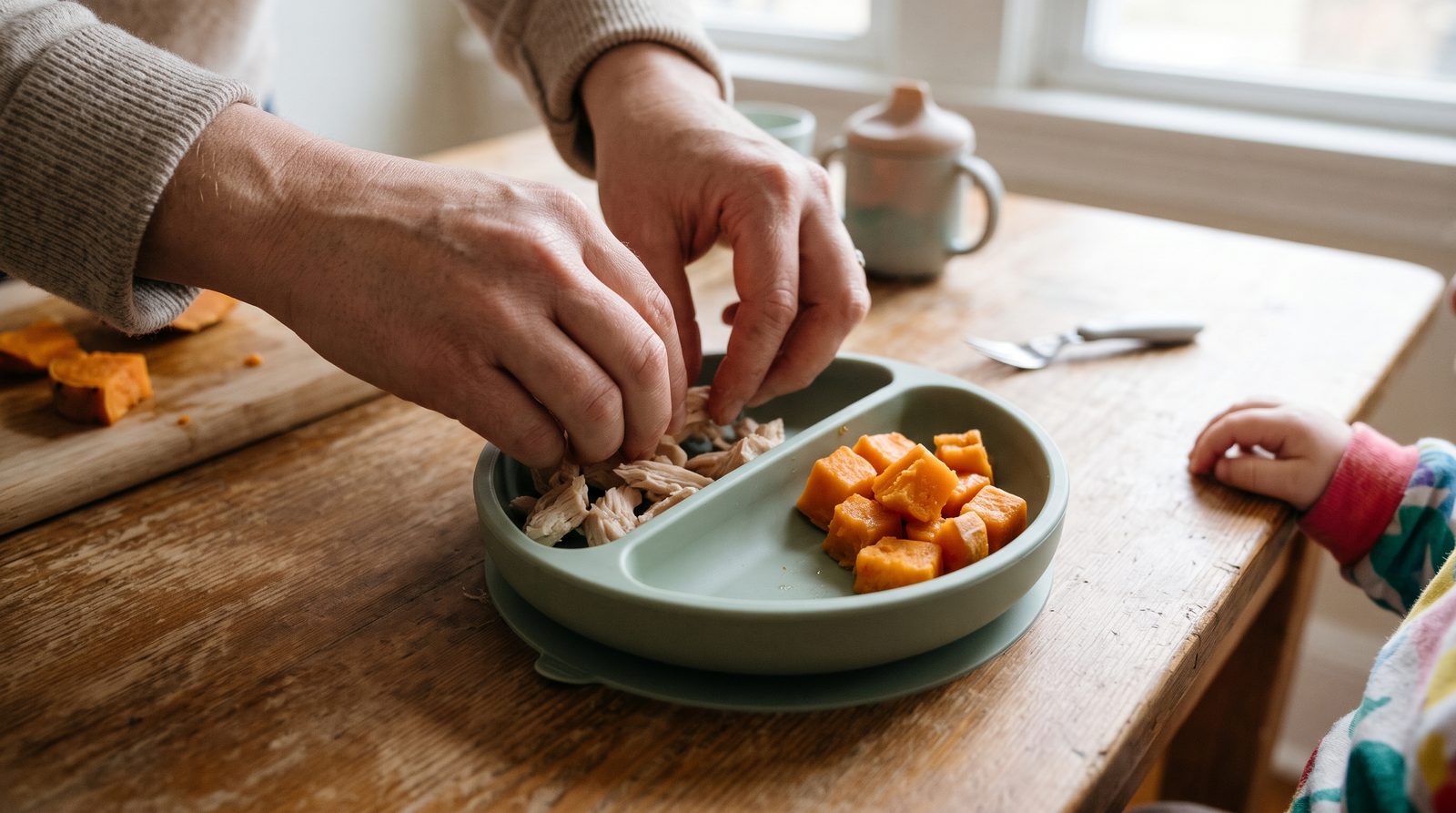
When a child pushes away their plate, the instinct of a loving parent is to immediately offer alternative foods to ensure they do not go to bed hungry. However, jumping up to prepare grilled cheese or toaster waffles turns parents into short-order cooks. Over time, children learn that refusing the family meal produces a preferred custom menu.
Preparing separate meals unintentionally communicates to your toddler that they are incapable of eating family food. It also isolates them from the shared culinary culture of the home. Moving away from short-order cooking establishes healthy boundaries and respects the dignity of family dining.
The best way to get a toddler to eat family dinner is embracing the division of responsibility framework. Parents remain responsible for deciding what food is served, when it is offered, and where the family sits. The child decides whether to eat and how much food to consume from the options provided.
Keeping Evening Portion Sizes Approachably Small
Massive food portions are intensely intimidating to cautious young eaters. Looking down at a heaping mound of unfamiliar vegetables or meat can trigger immediate anxiety. According to pediatric guidance on HealthyChildren.org, a helpful rule of thumb is serving micro-portions: offer one tablespoon of each food item per year of age, and let the child ask for more.
Tiny portions lower the psychological stakes dramatically. If your child finishes their micro-portion, they can freely request seconds, which builds pride and self-efficacy. If they ignore the item, very little food is wasted, which helps parents remain calm and unbothered.
Adopting a Neutral Table Demeanor
Children are finely tuned emotional barometers. When parents hover, plead, bargain, or praise every single swallowed mouthful, mealtime becomes an emotionally charged performance. High-stakes attention reinforces refusal because toddlers love having undivided adult focus, even if that focus is negative.
Instead, keep your attention centered on pleasant adult conversation and enjoyable table topics. Treat food refusal with calm neutrality. When parents stop begging children to take another bite, the power struggle evaporates completely.
Predictable Schedules to Build Natural Appetite for Dinner
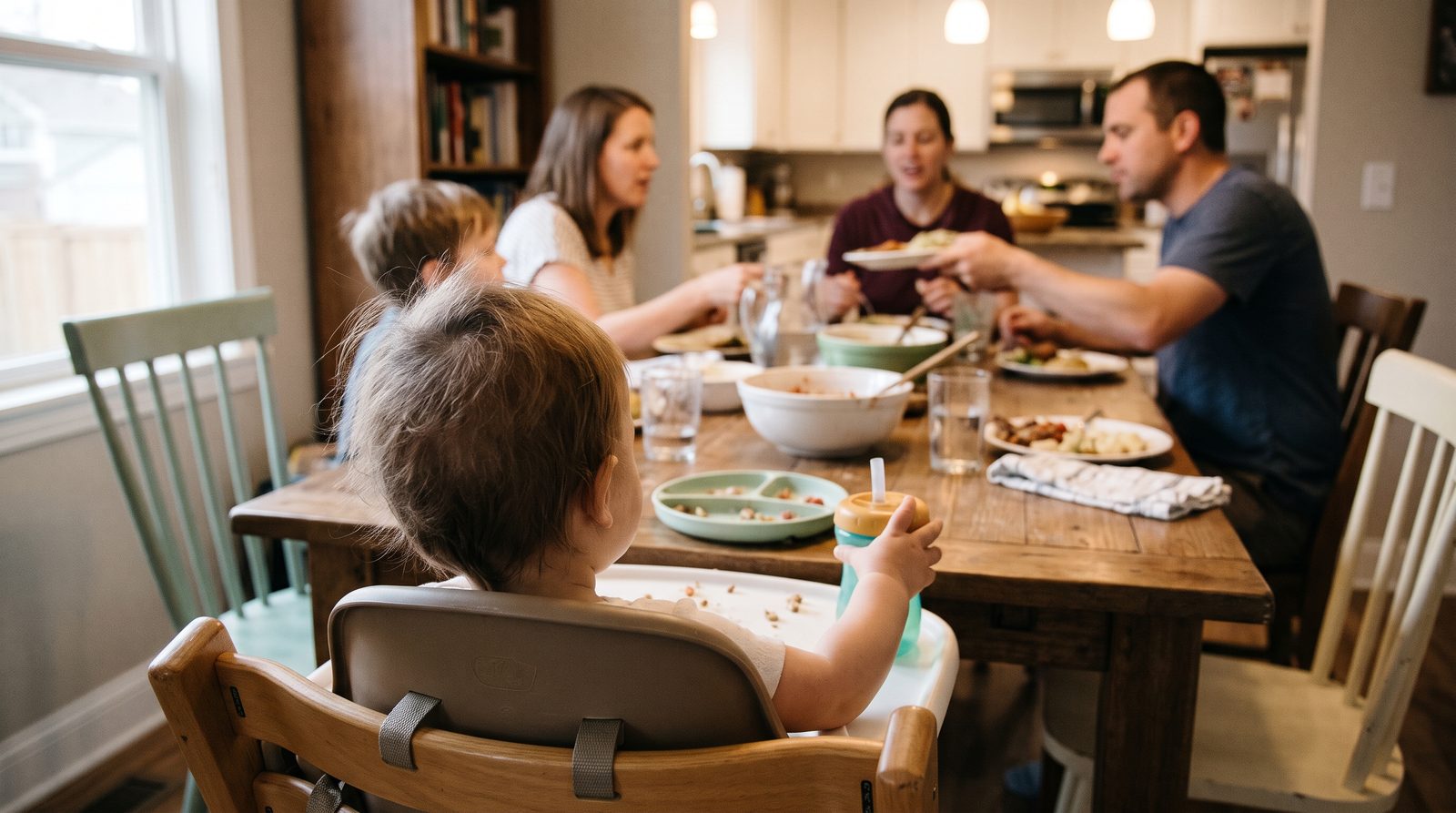
Establishing consistent daily meal rhythms provides children with the security they need to relax at the table. When eating opportunities happen at predictable intervals, toddlers learn to trust that food will always be available. This predictability reduces anxiety and helps regulate blood sugar throughout the day.
A balanced daily rhythm typically features three structured meals and two planned snacks. You can explore structured schedules in our comprehensive picky eater meal plan guide. When meals and snacks have distinct beginnings and endings, grazing ceases and healthy appetite returns.
Seating arrangements matter just as much as timing. Eating while wandering around the living room or watching digital screens prevents children from recognizing internal satiety cues. Sitting together at the dining table fosters focus, family connection, and mindful eating habits.
Encouraging Helpful Family Table Traditions
Making dinner a social ritual rather than a nutritional examination makes children eager to participate. You can invite your child to carry paper napkins to the table, stir salad ingredients with a wooden spoon, or choose which colorful cups to set down. Simple contributions give toddlers a sense of healthy autonomy.
When you eat dinner with toddler family members, model relaxed enjoyment of varied foods. Seeing parents eat roasted vegetables, salads, and proteins without commentary teaches children that these foods are normal and safe parts of daily life.
Serving Dependable Safe Foods at Every Family Supper
A crucial strategy for preventing evening meltdowns is including at least one accepted safe food on the table at every meal. A safe food is something your child readily eats on most days, such as plain rice, applesauce, shredded cheese, or warm buttered noodles. Knowing a trusted food is available allows your child to approach the table without fear.
Safe foods should never be treated as a special prize or conditional reward. Place the safe food directly on the table alongside the rest of the meal so your child sees it as a standard part of the family menu. This approach guarantees that every family member has something nourishing to eat.
Applying the framework from our guide on the division of responsibility in feeding helps parents maintain this boundary without guilt. You provide wholesome choices, and your child manages their own intake without coercion.
Managing Bedtime Hunger Requests with Boring Snacks
A frequent challenge arises when a child who rejected supper suddenly claims to be starving right before bed. It is common for parents to wonder how to get toddler to eat dinner when bedtime stall tactics begin. Toddlers quickly realize that claiming hunger is an effective way to delay lights-out and negotiate exciting treats.
To address this without sending a hungry child to sleep, institute a predictable bedtime snack policy. Offer one plain, unexciting option approximately thirty minutes before bed, such as warm oatmeal, a slice of whole wheat toast, or plain yogurt. Keep the snack nutritious and functional rather than sweet or rewarding.
If your toddler won’t eat dinner because they anticipate cookies or fruit snacks at bedtime, serving a boring bedtime snack removes that incentive. Over several nights, your child will realize that dinner is the best time to fill their tummy, bringing peace back to your evening routine.
According to pediatric feeding resources on HealthyChildren.org, parents should not force their children to eat and should maintain a calm, low-pressure approach during mealtime struggles. If you ever have concerns regarding your child’s physical growth, lethargy, or developmental milestones, talk to your pediatrician for personalized clinical support.
Frequently Asked Questions
What should you do when a toddler refuses dinner completely?
When a toddler refuses supper, remain calm and acknowledge their choice without frustration or bribery. Keep the meal pleasant, do not prepare custom alternative dishes, and reassure them that another eating opportunity will arrive at the next scheduled snack or morning breakfast.
Should parents offer a snack right after dinner is refused?
Parents should avoid offering snacks immediately after a rejected dinner, as this teaches children to hold out for preferred treats. If needed, offer one simple, boring bedtime snack thirty minutes before sleep, such as whole wheat toast or warm oatmeal.
Why do toddlers often eat well at daycare but skip dinner at home?
Children often eat well in group childcare because meals follow predictable schedules alongside other children. By dinnertime at home, late-day fatigue and emotional exhaustion often decrease appetite and patience for sitting at the table.
When should parents consult a pediatrician about missed meals?
Parents should talk to your pediatrician if meal refusal is accompanied by weight loss, stagnant growth curves, persistent lethargy, or severe gagging on textured foods. A medical professional can evaluate overall development and rule out underlying issues.