When your toddler won’t eat meals only snacks, the underlying issue is usually constant grazing that blunts true appetite before family mealtimes. Establishing predictable eating schedules, serving snacks at the dining table, and offering nutrient-dense mini-meals helps young children rediscover healthy hunger cues and enjoy family dinners.
It is extraordinarily common for parents to find themselves trapped in an endless snack cycle. A toddler asks for crackers, eats two bites, runs off to play, and returns twenty minutes later asking for a pouch or pretzels. By the time lunch or dinner arrives, the child pushes the family plate away because their stomach is already partially filled. When a toddler won t eat meals only snacks, parents worry about overall nutrition and table manners.
Fortunately, breaking free from the grazing trap does not require rigid power struggles. By understanding the basics of toddler picky eating, caregivers can shift from constant grazing to structured nourishment. With patience and clear boundaries, children learn that sitting down for meals is enjoyable, comfortable, and satisfying.
Expert pediatric nutrition guidance from the American Academy of Pediatrics on HealthyChildren.org highlights that snacks should be planned and scheduled eating opportunities rather than constant all-day grazing. Learning to curate wholesome snack windows restores nutritional balance across the entire week.
How Grazing Dulls Appetite for Family Meals
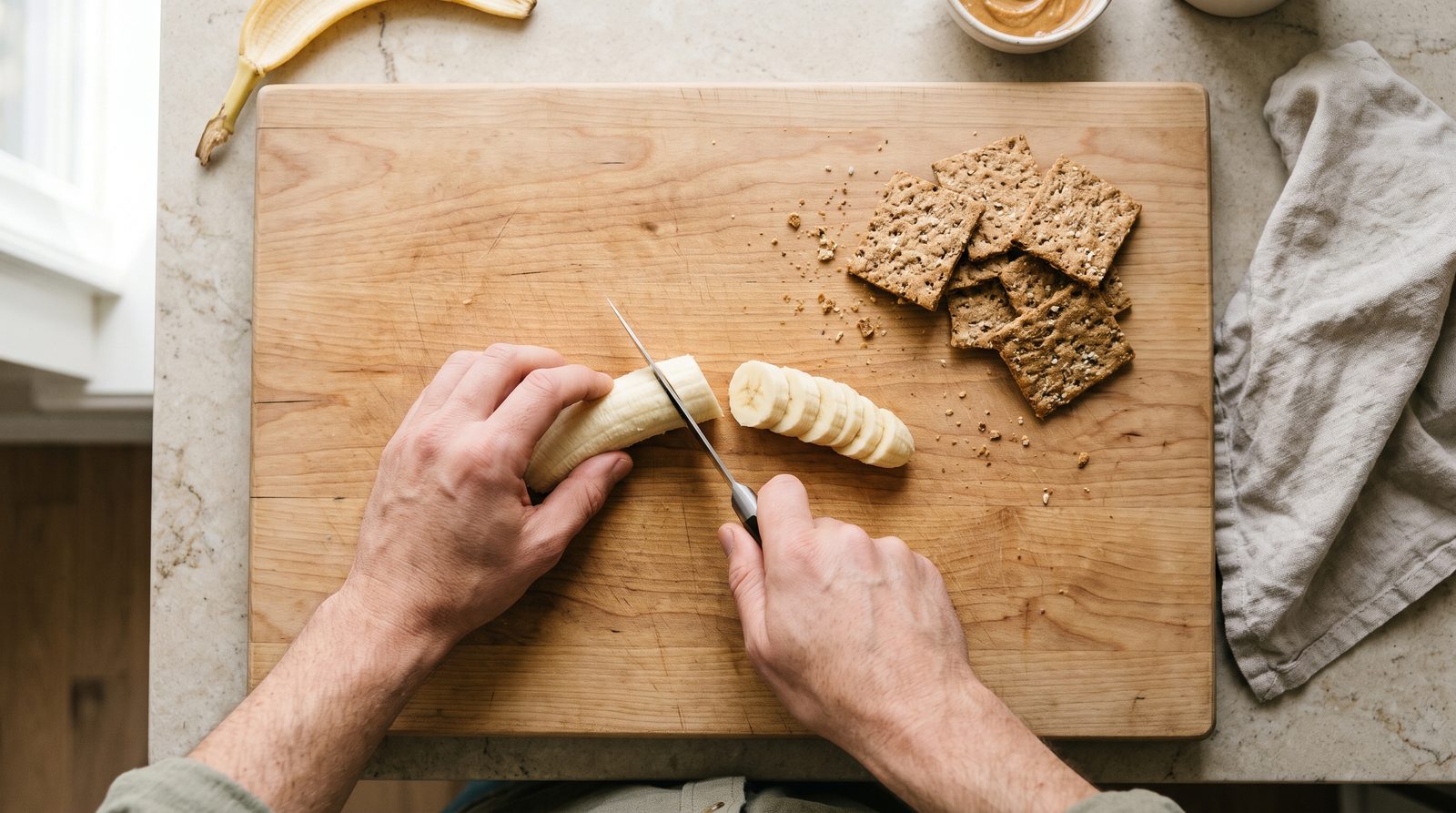
Young children have small stomach capacities. When a child sips juice, nibbles puffs, or chews dried fruit throughout the morning, their small digestive system receives continuous calories. Frequent grazing blunts natural hunger without providing robust, balanced nutrition.
Without natural hunger, children have zero incentive to engage with complex family foods like roasted meats, dark vegetables, or mixed casseroles. Packaged snack items are designed with uniform crunch and predictable sweetness, making them effortless to consume. In contrast, whole family meals require oral motor chewing effort and sensory tolerance that a non-hungry toddler will simply decline.
When an anxious parent sees their child refuse lunch, they naturally worry about calorie intake. Fearing an afternoon meltdown, the parent hands over another round of crackers thirty minutes later. This well-intentioned rescue inadvertently reinforces the cycle, teaching the child that meal rejection leads directly to preferred snacks.
The Hidden Cost of Constant Kitchen Grazing
Continuous grazing also creates behavioral fatigue. When food is available on demand, toddlers become preoccupied with grazing rather than engaging in sustained, creative play. The kitchen transforms into a continuous negotiation zone where parents repeatedly say no or surrender to whining.
Establishing clear eating rhythms frees both parents and children from this exhausting tug-of-war. When eating is confined to specific times of day, children can fully immerse themselves in play, knowing food will reliably appear when scheduled.
Eliminating Liquid Calories Between Scheduled Seatings
Milk and juice are frequent hidden culprits in meal refusal. Cow milk is rich in fat and protein, making it remarkably filling for small bellies. A toddler who carries a sippy cup of milk throughout the day essentially consumes a continuous liquid meal.
For toddlers ages 12 months and up, offer water or milk with planned meals and snacks, and offer water between eating times so fluids do not displace solid foods. Eliminating constant between-meal liquid calories is often all it takes to revive an appetite for dinner.
Structuring Predictable Snack Windows Throughout the Day
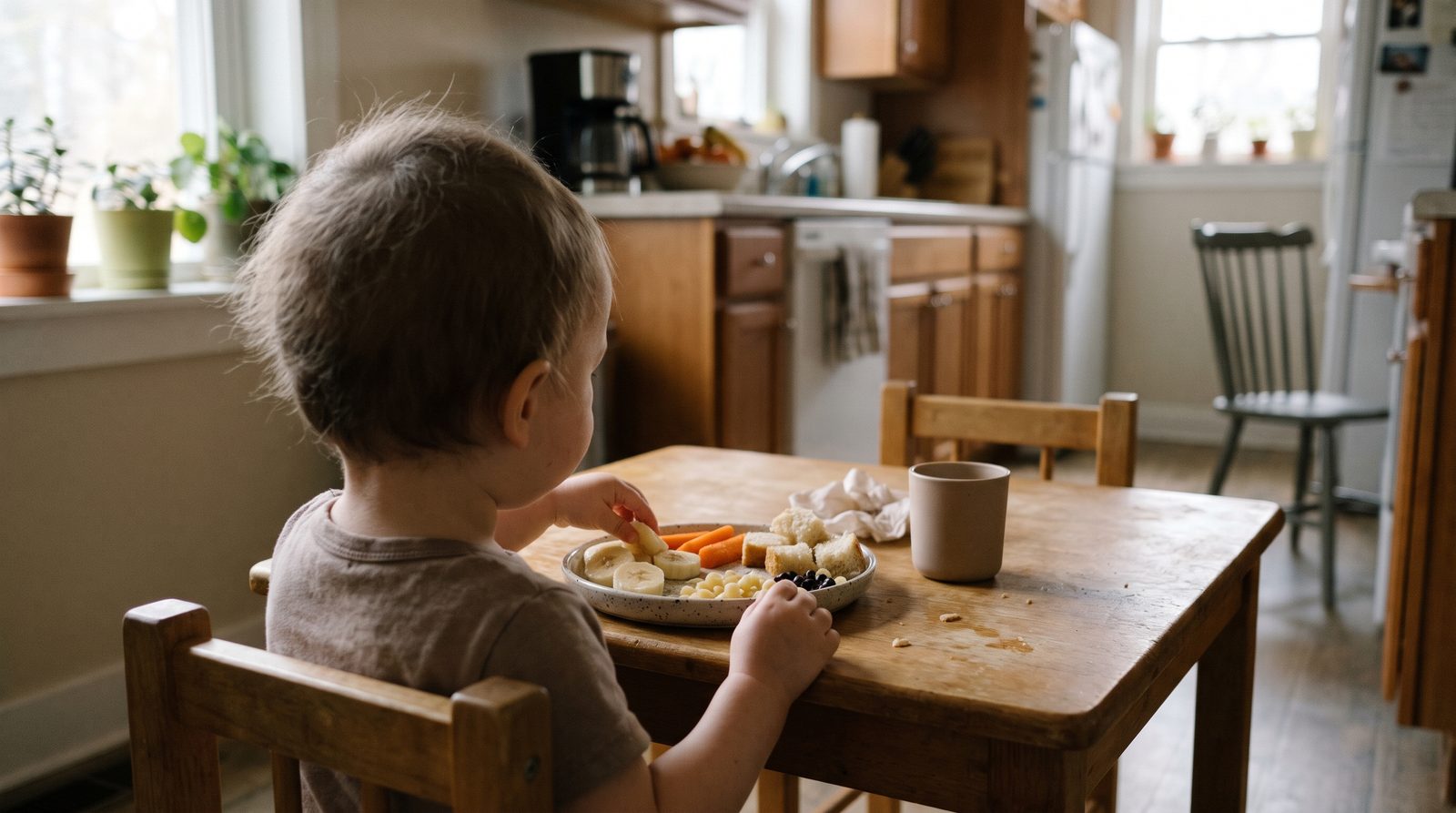
The most powerful antidote to constant grazing is creating a predictable meal and snack schedule. Most toddlers thrive on an eating pattern that spaces food opportunities two to three hours apart. This spacing provides enough time for food to digest and natural hunger to develop before the next meal arrives.
A standard schedule consists of breakfast, a mid-morning snack, lunch, a mid-afternoon snack, and dinner. For specific menu inspirations that fit this routine, browse our collection of healthy snacks for picky toddlers. Spacing nourishment regularly prevents both extreme hunger meltdowns and appetite-blunting grazing.
Consistency is key when implementing this framework. When a child understands that morning snack happens at ten o’clock and lunch happens at twelve-thirty, they learn to trust the routine and wait comfortably between seatings.
Confining Food to the Dining Table
An essential boundary is establishing where eating occurs. Wandering around the playroom with a snack cup encourages mindless grazing and creates unnecessary choking hazards. Enforce a simple family rule: all food and beverages stay at the dining table or kitchen island.
When your child requests food outside scheduled times, gently invite them to sit at the table. If they are truly hungry, they will gladly sit to eat. If they simply wanted entertainment or comfort, they will often run back to playing, revealing that boredom was the true motivator.
Using Verbal Cues to Signal Kitchen Opening and Closing
Toddlers respond remarkably well to clear sensory and verbal transitions. Announce when the kitchen is open for snack time, and give a five-minute warning before the meal concludes. When eating is finished, have your child help clear their plate and announce that the kitchen is closed until lunch.
These consistent verbal markers remove ambiguity. When your child asks for food ten minutes after snack time ends, you can warmly validate their feelings while holding the boundary: the kitchen is resting right now, and our delicious lunch will be ready at noon.
Making the Transition From Processed Snacks to Mini Meals
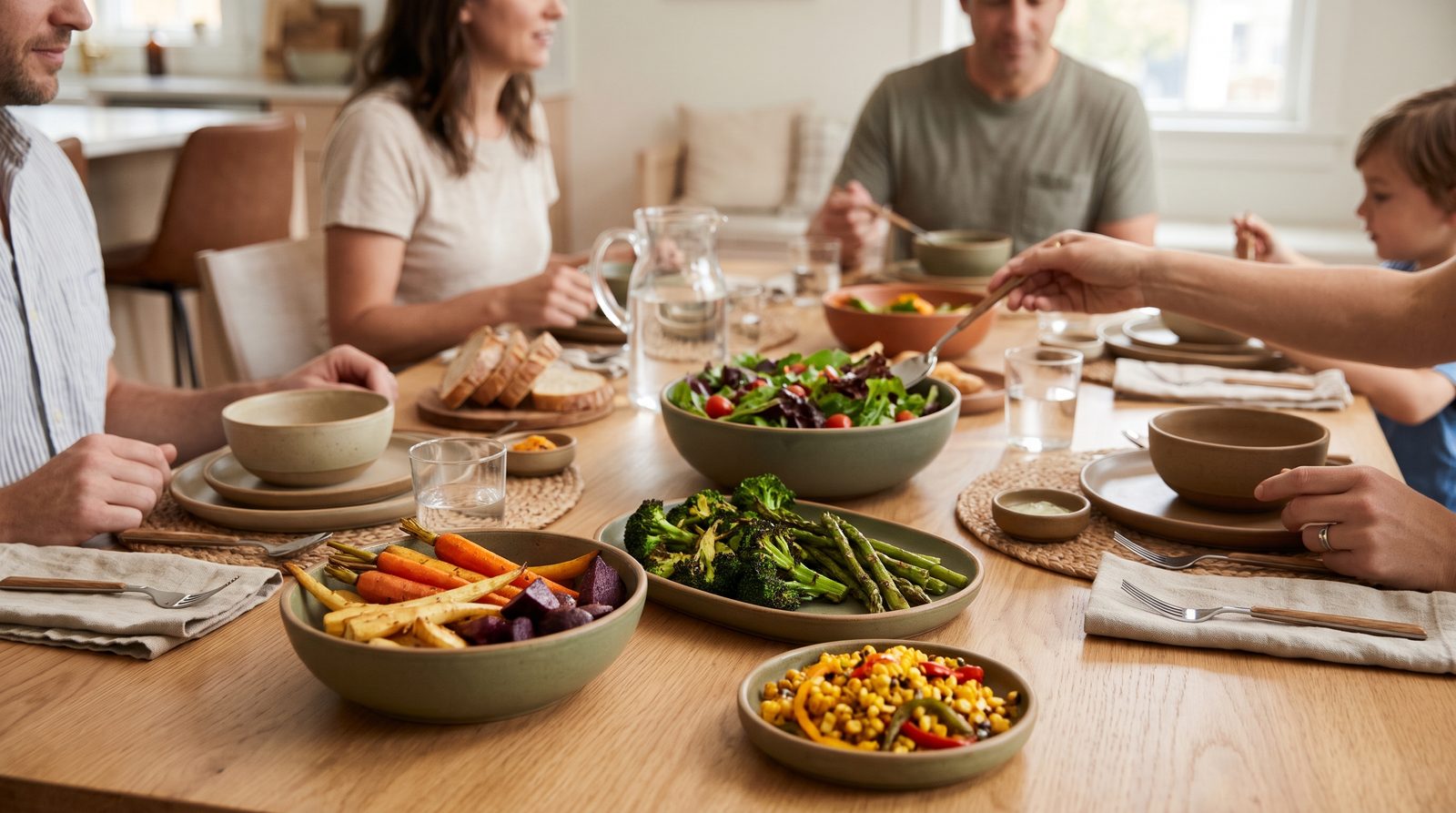
To bridge the gap between snack foods and family meals, reframe what you serve during snack windows. Instead of defaulting to packaged chips, bars, or puffs, think of snacks as mini-meals. A balanced snack should feature at least two food groups, pairing complex carbohydrates with protein or healthy fats.
For example, instead of dry crackers, serve whole grain toast points with mashed avocado, or soft steamed edamame with sliced cucumbers. You can also review our daily charts in the toddler feeding schedule guide to structure balanced pairings throughout the week.
Serving dinner leftovers for morning or afternoon snack is another brilliant strategy. Offering roasted squash or shredded chicken during snack time normalizes these foods outside the high-pressure dinner environment, making them familiar and accepted.
Helping Your Toddler Tolerate Mild Hunger Between Seatings
Many modern parents experience discomfort when a child expresses mild hunger. However, allowing a comfortable interval between scheduled meals and snacks simply helps children develop an appetite for the wholesome family foods served at the table.
When transitioning away from on-demand grazing, your child may complain of hunger thirty minutes before dinner. Resist the urge to hand over a holding snack. Instead, acknowledge their appetite warmly: your tummy is telling you it is almost time for dinner, and we will sit down to eat in twenty minutes.
You can involve your child in the final dinner preparations to distract them from hunger discomfort. Let them wash lettuce leaves, place spoons on the table, or watch you chop vegetables from a safe learning tower. This channels their food focus into positive participation.
Responding to Demands for Crackers and Pouch Foods
When a child won t eat meals only snacks, withdrawing packaged items can spark vocal protests. The key to handling tantrums is calm, compassionate leadership. Do not ban snack foods entirely, as making them forbidden fruit only increases their allure.
Instead, integrate preferred snack foods directly into regular family meals. If your toddler loves pretzels, place a few small, soft pretzel pieces on their dinner plate right beside the roasted chicken and steamed green beans, always ensuring your child is safely seated. Serving preferred items alongside family food neutralizes their power and reassures your child that their favorite tastes are respected.
Resources from pediatric feeding experts on HealthyChildren.org remind parents that children will not starve themselves when presented with wholesome food options at regular intervals. If you ever have worries about your toddler’s physical growth, persistent lethargy, or extreme sensory aversions, talk to your pediatrician for individual guidance.
Frequently Asked Questions
How many hours should be between toddler meals and snacks?
Most young children do best with eating intervals spaced approximately two to three hours apart. This spacing allows sufficient time for food digestion and natural hunger to develop, while preventing extreme hunger meltdowns between seatings.
What should you do if your toddler screams for snacks between meals?
Validate your child’s feelings warmly while maintaining the boundary, explaining that the kitchen is closed until the next scheduled eating time. Offer a glass of water and redirect their attention toward an engaging game or outdoor activity.
Can snack foods be served as part of a regular meal?
Yes, offering small portions of preferred snack foods like pretzels or crackers alongside family meals can lower anxiety. Serving familiar items beside unfamiliar dinner dishes reassures cautious children and removes the forbidden appeal of packaged snacks.
When should parents seek clinical guidance for eating behaviors?
Parents should talk to your pediatrician if eating challenges result in poor weight gain, dropping growth percentiles, severe gastrointestinal pain, or persistent vomiting. A pediatrician can rule out medical conditions and provide specialized feeding referrals.