Learning how to stop cooking two meals every evening frees parents from the exhausting role of a short-order cook while helping selective toddlers learn to enjoy wholesome family meals. By establishing one unified dinner menu that always features at least one accepted safe side dish, caregivers create a calm, predictable table environment where young children feel supported exploring new foods.
Cooking separate dishes for children is a routine born out of love, exhaustion, and parental concern. When an overtired toddler bursts into tears at the sight of a skillet stir-fry, it is tempting to microwave a bowl of boxed macaroni or fry frozen nuggets just to ensure they eat something before bed. While this quick fix brings immediate peace to the kitchen, preparing backup meals night after night inadvertently reinforces food selectivity.
When a child realizes that refusing dinner triggers a customized second meal, they have no motivation to engage with unfamiliar family dishes. Over time, the family dinner fractures, parents feel resentful, and mealtimes become an emotional battlefield. Adopting a structured approach grounded in toddler picky eating principles helps families transition back to one harmonious table without bedtime tears or food battles.
Pediatric feeding guidance from the American Academy of Pediatrics on HealthyChildren.org advises serving one meal for the family that includes at least one food your child likes, noting that preparing separate meals only encourages picky eating. In this guide, we outline practical steps, menu strategies, and parental communication frameworks to help you retire the short-order cook apron and restore joy to family dinners.
Why Cooking Separate Food Traps Stressed Families
Cooking separate meals every night creates an unsustainable burden on parents that steadily drains joy from the dinner hour. Preparing multiple entrees requires double the grocery planning, double the cooking time, and double the dishwashing, all while leaving caregivers emotionally depleted at the end of a long workday. This physical fatigue quickly turns into resentment, introducing palpable tension to the dining table.
From a child’s developmental perspective, separate dishes send an unintended message of doubt. When parents quickly jump up to prepare specialty foods the moment a toddler hesitates, the child subliminally learns that family food is unsafe, unmanageable, or not meant for them. Furthermore, catering to selective whims prevents toddlers from learning vital mealtime coping mechanisms.
Building Menus Around Familiar Staple Ingredients
Transitioning away from short-order cooking does not mean forcing your toddler to eat spicy or complex casseroles on night one. Instead, it involves crafting a single family menu built around versatile staple ingredients that everyone can enjoy. For instance, if you are making roast chicken, baked potatoes, and steamed green beans, every family member receives the exact same items on their plate.
Planning unified dinners around familiar carbohydrate bases, such as rice, pasta, or potatoes, provides a reliable foundation for cautious eaters. These staple items offer predictable textures and comforting flavors that help toddlers feel grounded. To master the foundational boundaries of mealtime responsibilities, explore our comprehensive breakdown of the division of responsibility in feeding.
The Best Way to Transition to One Family Dinner
Stepping away from the short-order cooking cycle requires clear, loving communication before dinnertime ever arrives. Avoid springing sudden rule changes on a hungry toddler at the kitchen table. Instead, sit down during a calm afternoon play session and explain the new routine using simple, reassuring language that sets positive expectations.
Consistency during the initial week of this transition is vital. Toddlers will inevitably test this new boundary by requesting their favorite backup items. When requests occur, take a slow breath, offer a warm smile, and calmly reply: That is not on our menu tonight, but we have delicious bread and noodles on the table. Keeping your response neutral prevents power struggles and cements the boundary.
Presenting Dinner Components in Divided Dishes
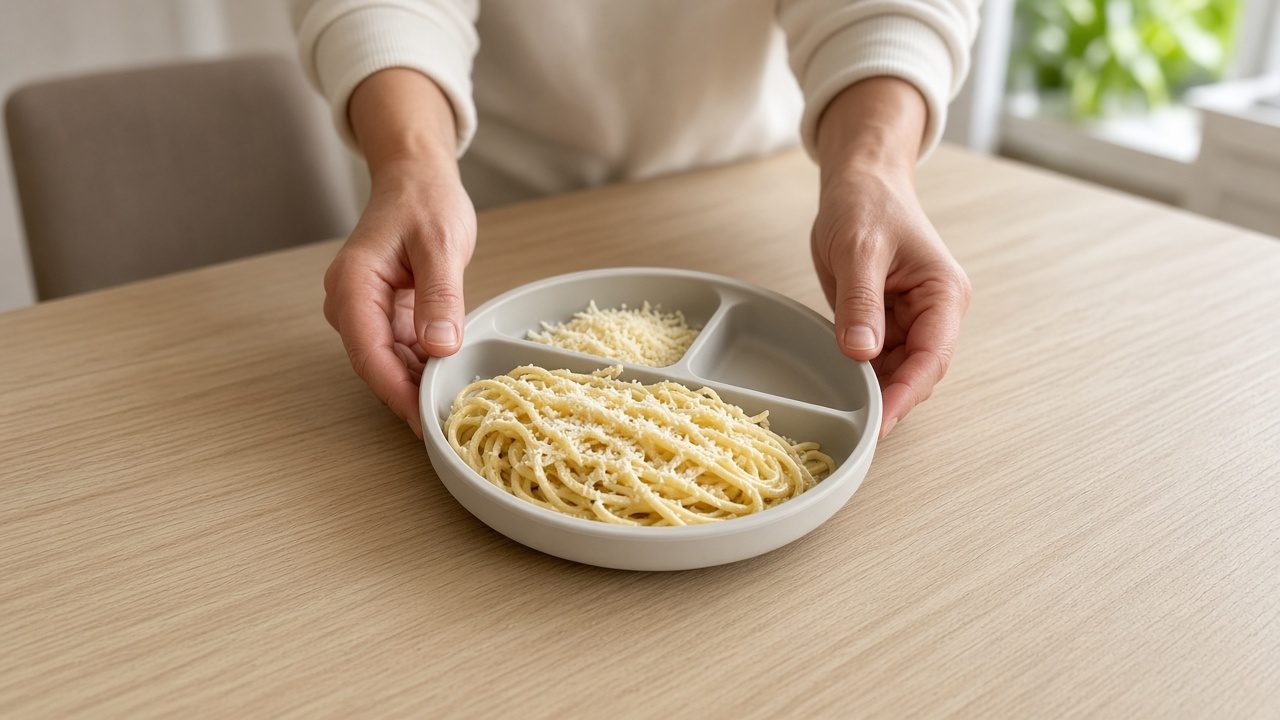
Presentation can make or break a toddler’s willingness to engage with a family meal. Young children are often intimidated by mixed dishes where sauces, proteins, and vegetables are combined into an unrecognizable mixture. Serving components deconstructed allows selective children to evaluate each item clearly without anxiety.
For example, if you are serving spaghetti with meat sauce, offer plain cooked noodles, a small cup of warm marinara sauce, and tender meat as separate items on a divided silicone plate. For additional structured menu inspiration and balanced weeknight meal ideas, review our practical picky eater meal plan.
The Anchor Strategy of Including Accepted Side Dishes
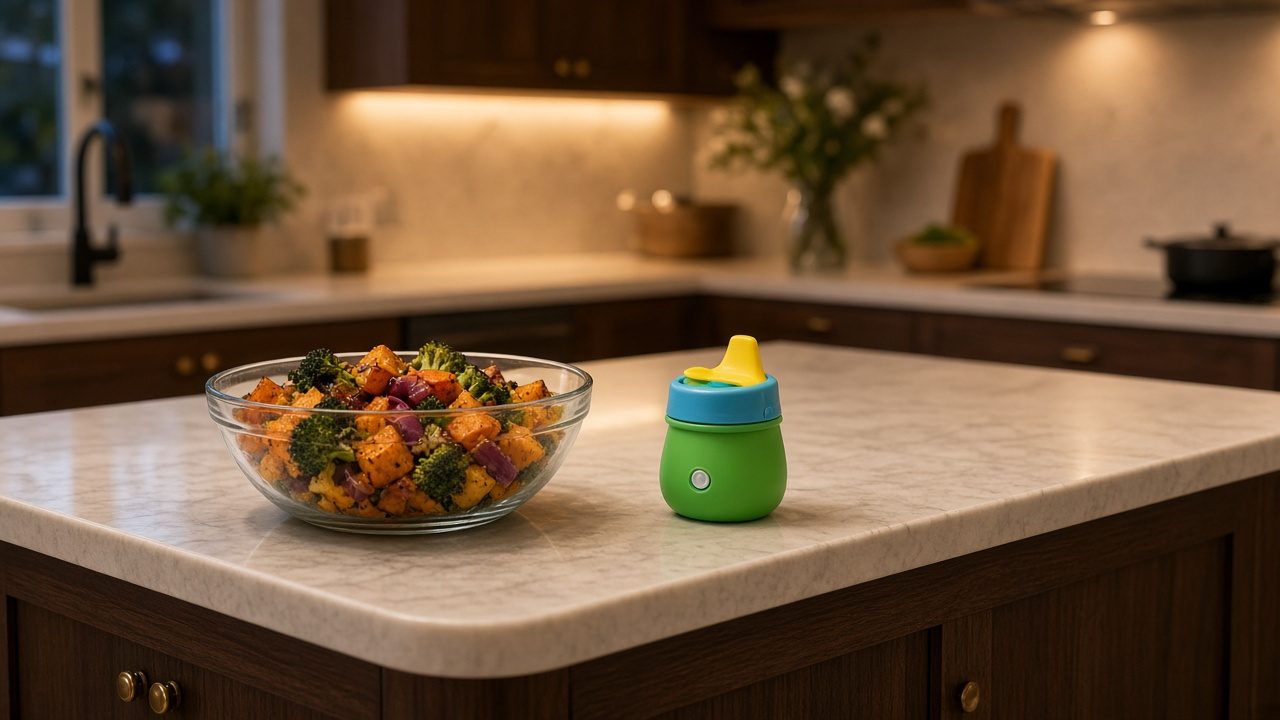
The single most crucial rule for retiring the short-order cook apron is the safe food anchor strategy. Every single family meal you prepare must feature at least one or two accepted foods that your toddler reliably consumes without hesitation. This is not catering; it is offering basic hospitality and psychological safety to a developing child.
An accepted safe food can be as simple as warm whole wheat toast, plain white rice, soft steamed carrots, sliced bananas, or finely shredded cheese. When your toddler sits down at the table, seeing that familiar safe food provides comfort, giving them the confidence needed to look at, smell, or touch the unfamiliar family entrees.
Communicating New Kitchen Rules with Gentle Clarity
Maintaining table boundaries requires decoupling parental love from food consumption. When children refuse to eat, parents often feel a deep fear that their child will wake up crying with hunger in the middle of the night. This fear frequently tempts parents to offer immediate backup options instead of relying on scheduled meal and snack times.
To establish healthy rhythm, family resources from the American Academy of Pediatrics on aap.org recommend establishing consistent routines around mealtimes and physical activity. Reassure your child that their belly will have another chance to eat at breakfast, and explore our analysis on the clean plate rule to avoid table pressure.
Serving Deconstructed Meals for Cautious Young Eaters
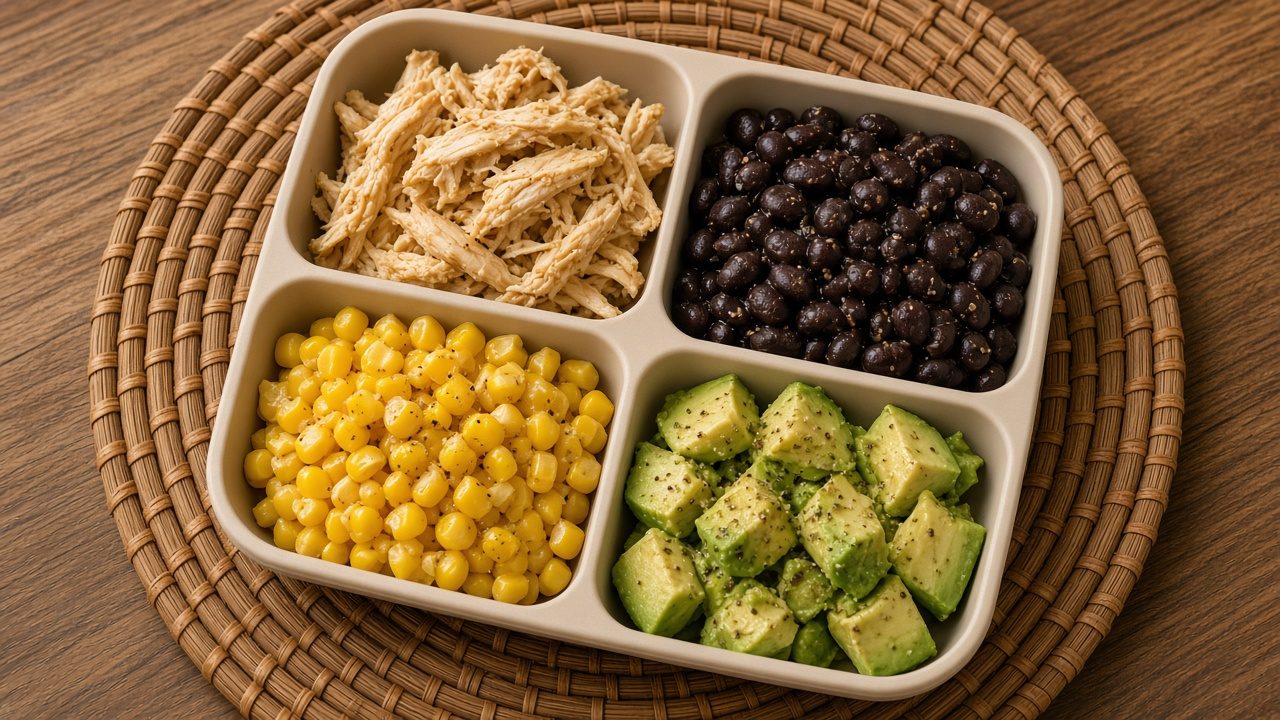
Deconstruction is a parent’s greatest culinary secret when striving to eliminate duplicate meal preparation. Virtually any standard adult dinner recipe can be effortlessly deconstructed into individual, child-friendly components with minimal extra effort. Taco night is a prime example: rather than assembling a spicy taco, place soft tortilla strips, shredded chicken, mashed black beans, and shredded cheese in separate bowls on the table.
Similarly, homemade pizza night can be served as flatbread strips, warm marinara dip, and shredded cheese toppings. Stir-fry dinners can be presented with plain steamed rice, lightly seasoned chicken strips, and tender broccoli florets placed side by side. Family members can assemble complex plates, while cautious toddlers enjoy the same wholesome ingredients in their preferred simplified layout.
How to Maintain Loving Table Boundaries at Night
The final pillar of ending short-order cooking is learning how to stop cooking two meals without letting evening guilt take over your thoughts. Trusting your child’s internal appetite regulation is the greatest gift you can offer their developing relationship with food.
When dinner concludes, clear the dishes warmly and transition directly to evening family routines, such as baths, storybooks, and cuddles. If your child exhibits severe sensory distress, chronic gagging, weight loss, or persistent nutritional worries, talk to your pediatrician to assess their individual growth percentiles and development. With steady boundaries, delicious safe foods, and loving patience, your family will soon enjoy peaceful, unified dinners every single evening.
Frequently Asked Questions
What if my child refuses to eat the family meal completely?
If your child refuses the family meal, remain calm and acknowledge their choice without anger, bribing, or preparing alternative dishes. Reassure them that they do not have to eat, and maintain scheduled meal and snack times so they are hungry for the next meal. Maintaining this predictable boundary preserves your feeding routine while respecting their internal appetite cues.
Will my toddler wake up starving during the night if they skip dinner?
Healthy young children can generally sleep comfortably through the night when offered regular meals and snacks across the day. Skipping or eating lightly at dinner is a normal developmental occurrence that is typically compensated for at breakfast.
How long does the transition to one family dinner usually take?
Toddlers gradually adapt to a unified family dinner routine with consistent, calm support. When children realize that alternative short-order meals are no longer offered, but accepted safe foods are always available, they become more comfortable at the table. Staying steady and avoiding power struggles ensures a smooth, permanent transition.
When should parents discuss dinner refusal with a pediatrician?
Parents should talk to your pediatrician if meal refusal is accompanied by weight loss, dropping growth percentiles, lethargy, or extreme mealtime distress. You should also consult a doctor if you have concerns about your child’s growth or feeding, or if they demonstrate physical difficulty chewing and swallowing. A pediatrician can rule out oral motor delays and offer clinical guidance.