Successfully introducing new foods to toddlers requires a gentle sensory approach that pairs micro-portions of unfamiliar items with accepted family favorites in a low-pressure mealtime environment. When parents prioritize curiosity over consumption and allow young children to touch, smell, and explore new ingredients at their own pace, toddlers naturally develop adventurous, intuitive eating habits over time.
Young children often enter a developmental stage where they show a natural hesitation toward novel foods. While infants often swallow diverse vegetable purees without complaint, toddlers naturally show caution with new tastes and textures. Consequently, an unfamiliar green speck or unexpected texture can trigger immediate resistance.
When parents misinterpret this normal developmental hesitation as stubborn misbehavior, dinnertime can quickly deteriorate into exhausting power struggles. Hovering, pleading for bites, or using dessert as a bribe heightens anxiety and signals to the child that the new food is an unpleasant chore. Learning the core principles of toddler picky eating helps caregivers navigate these early childhood nutritional milestones with calm confidence.
Clinical feeding guidance from the American Academy of Pediatrics on HealthyChildren.org emphasizes that expanding a toddler’s diet takes time and it can take children 15 to 20 tries to like a new food. In this guide, we break down proven step-by-step methods to introduce novel foods without tears, resistance, or dinnertime battles.
Why Toddlers Naturally Fear Unfamiliar Ingredients
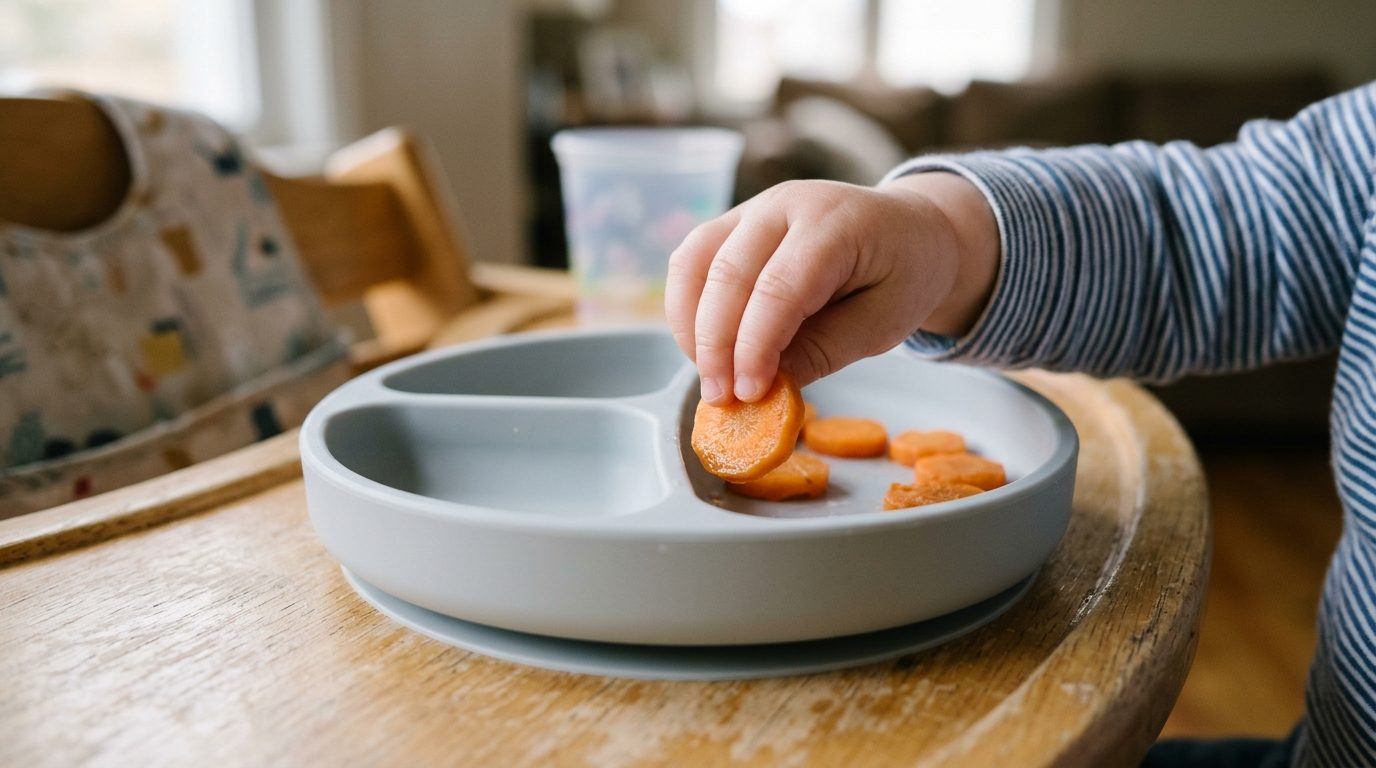
To support a selective child, parents must first understand the intense sensory processing required every time a toddler encounters an unfamiliar food. For a young child, eating engages multiple sensory systems simultaneously: sight, smell, touch, taste, hearing, and balance. When an unfamiliar item is placed on their plate, a toddler’s brain must process a flood of novel stimuli all at once.
Furthermore, toddlers are biologically wired to crave consistent, predictable flavors. Processed crackers, puffs, and breads taste identical every single time they are eaten, providing an immediate sense of safety. In contrast, whole foods like berries, squash, and proteins vary widely in sweetness, tartness, and firmness from one batch to the next. Recognizing that dietary caution is a protective instinct allows caregivers to replace frustration with patience.
Serving Tiny Bite-Sized Portions Without Pressure
The single most effective culinary adjustment parents can make is drastically reducing the portion size of novel foods. Placing a large serving of roasted broccoli on a toddler plate can trigger instant sensory overwhelm. The child perceives the large mound of food as an intimidating demand that they must consume, prompting an immediate pushback or emotional meltdown.
Instead, serve micro-portions no larger than a pea, a thin sliver, or a half-inch piece. A tiny crumb or wafer-thin slice of roasted carrot looks harmless and non-threatening on a child’s tray. To discover how systematic ingredient transitions build dietary confidence, review our comprehensive guide to food chaining. Connecting familiar favorites to new flavors creates seamless bridges that expand variety without stress.
The Power of Micro Portions When Presenting New Items
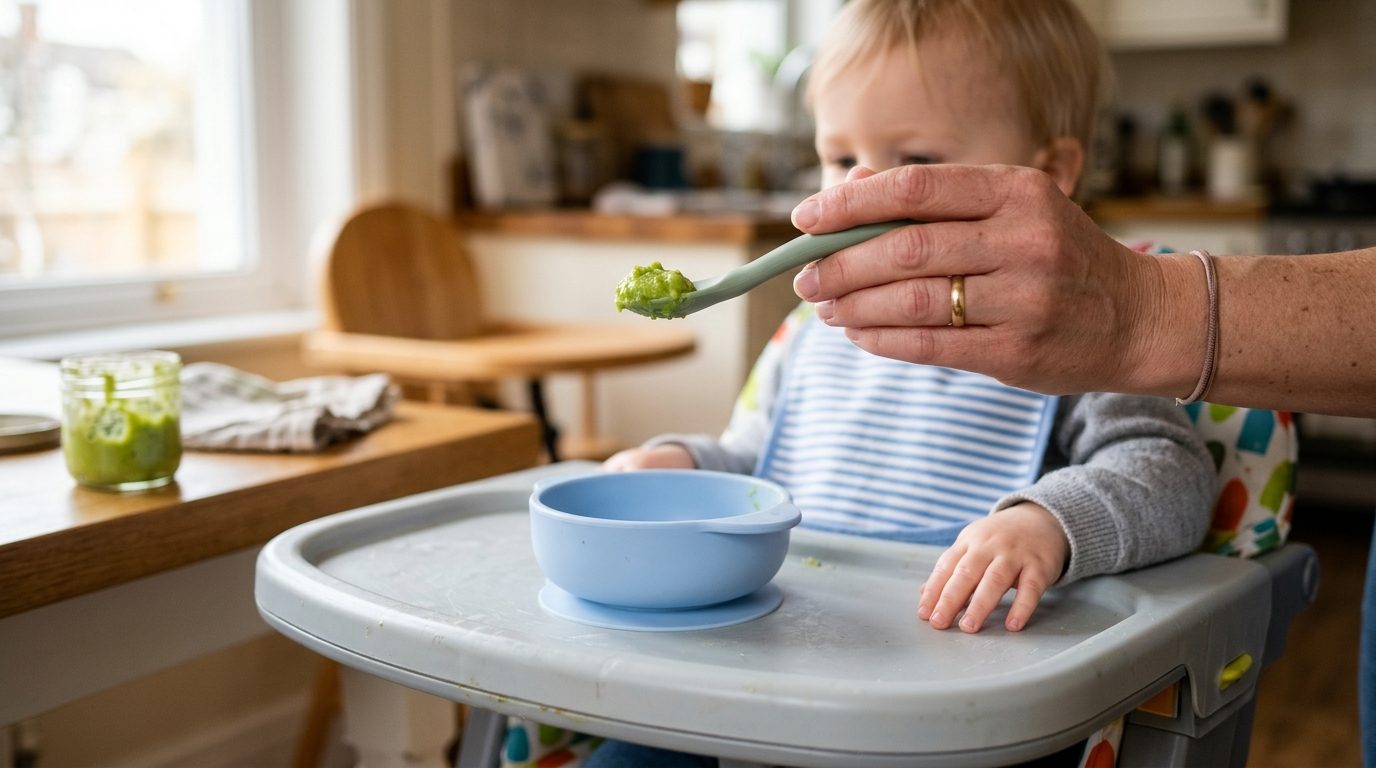
Offering micro-portions is only the first step in creating a safe sensory learning environment. Parents should also introduce a learning plate or an exploration bowl beside the toddler’s main dish. This secondary dish serves as a dedicated landing pad where the child can place items they are not ready to put into their mouth, preventing them from throwing food onto the floor.
When introducing an unfamiliar item, place the micro-portion on the learning plate and calmly state: You do not have to eat this. It is just here for us to learn about. Giving explicit permission not to eat immediately removes mealtime defensiveness. Toddlers relax when they know their bodily autonomy is honored, which actually makes them far more likely to lean in and inspect the item.
Exploring Food Through Sight, Touch, and Smell
Children must navigate an entire hierarchy of sensory exposures before they feel comfortable tasting and swallowing an unfamiliar ingredient. Expecting a cautious toddler to go straight from seeing a food to swallowing it is asking them to leap over critical learning stages. According to pediatric feeding insights on HealthyChildren.org, looking, smelling, poking, squeezing, and licking are all valid stages of tasting.
Encourage your child to describe the visual properties of new items without mentioning taste. Ask questions like: Is this melon slice squishy or firm? What color does that bell pepper remind you of? Review our practical food chaining worksheet to systematically map out sensory steps and celebrate tiny victories along your feeding journey.
Sensory Steps Beyond Just Eating and Swallowing
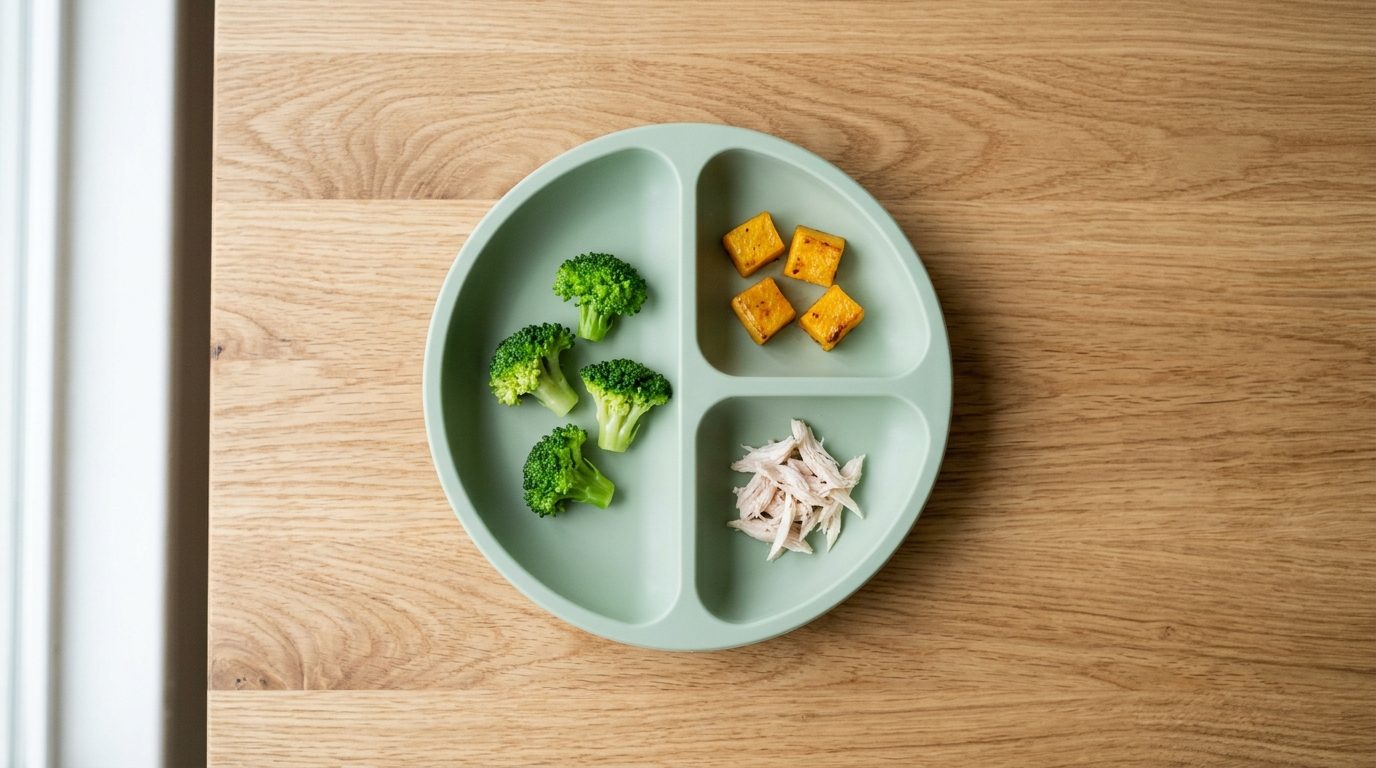
Taking food exploration outside the highchair is an extraordinary way to accelerate sensory acceptance. When food interactions happen away from scheduled meal times, all unspoken pressure to swallow disappears completely. Toddlers can interact with ingredients purely as sensory play materials, paving the way for mealtime bravery later on.
Simple sensory bins filled with chilled watermelon slices or soft cooked pasta provide wonderful tactile experiences under close adult supervision to prevent choking. According to HealthyChildren.org, looking at, touching, smelling, and helping prepare foods all count as learning.
Establishing a Neutral Learning Plate or Bowl
Maintaining consistent meal and snack routines ensures that your child arrives at the dining table with genuine, healthy appetite cues. When toddlers graze continuously on snacks or juice throughout the afternoon, their tummies remain satiated. Without natural hunger cues, cautious children have little motivation to engage with unfamiliar tastes or textures at dinner.
Spacing eating opportunities two to three hours apart allows natural digestive rhythm to build while maintaining steady energy levels. For simple, nutritious ideas that provide sustained energy without spoiling dinner appetites, explore our collection of healthy snacks for picky toddlers.
Pairing Unfamiliar Foods with Trusted Safe Favorites
When introducing new foods to toddlers, pairing the unfamiliar item directly with a trusted, well-loved safe food significantly increases the likelihood of acceptance. Safe foods act as psychological anchors at the dining table. When a selective toddler sees soft noodles, whole grain toast, or finely shredded cheese, their physical anxiety drops instantly.
You can use safe foods as sensory bridges by gently connecting familiar flavors to new textures. For example, if your child adores smooth mashed sweet potatoes, try serving finely mashed carrots mixed with a small amount of sweet potato. Dips like mild hummus or yogurt dressing also give little hands an active job at the table and transform an unfamiliar vegetable into an exciting culinary adventure.
Creating a Low-Pressure Table Environment for Growth
The ultimate secret to raising an adventurous eater is cultivating a calm, supportive mealtime environment characterized by patience and emotional neutrality. When parents remain calm, refrain from cheering or scolding, and allow nature to take its course, mealtime battles dissolve.
Instead, keep table conversations focused on daily adventures, funny stories, and family connection. Model intuitive, joyful eating by enjoying a wide variety of colorful foods in front of your child without demanding that they follow suit. If you have ongoing concerns regarding extreme sensory sensitivities, persistent gagging, or weight loss, talk to your pediatrician for personalized clinical support.
Frequently Asked Questions
How many times must a toddler see a new food before tasting it?
Clinical feeding guidance from the American Academy of Pediatrics highlights that children may need 15 to 20 tries to like a new food. Looking at the food, smelling its aroma, touching its texture, and watching parents enjoy it all count as successful learning exposures. Consistent neutral presentation over weeks is key.
What should I do if my toddler gags on an unfamiliar texture?
Gagging is a normal, protective reflex that helps young children manage textured foods safely and prevents choking. If your toddler gags, remain completely calm and offer a reassuring smile so they do not feel panicked. Ensure foods are prepared in soft, chewable pieces no larger than one-half inch, and never offer hard foods like raw carrot rounds or uncut grapes.
Should I praise my toddler when they try a bite of something new?
Offering calm, neutral validation rather than exaggerated reactions helps keep mealtime relaxed. Offer simple observations such as: That carrot made a loud crunch, or did you notice how sweet that was? This approach keeps the focus on your child’s internal sensory discovery rather than external performance.
When should parents talk to a pediatrician about extreme food refusal?
Parents should talk to your pediatrician if food refusal causes significant weight loss, halts growth percentiles, or triggers extreme emotional distress at every meal. You should also seek clinical advice if you have concerns about your child’s nutrition or if they gag persistently on soft textures. A pediatrician can evaluate oral motor skills and suggest pediatric feeding therapy.