When your toddler only eats chicken nuggets at dinner, using gentle food bridges (often called food chaining), offering diverse dipping sauces, and maintaining calm table routines can help expand meals. By building gentle sensory bridges from breaded favorites toward new poultry textures, families can expand meal variety without tears or table power struggles.
For thousands of parents of young children, opening a yellow cardboard freezer box has become an evening ritual. You place the golden breaded pieces onto a baking sheet, knowing with absolute certainty that this is the one protein your child will reliably consume without a meltdown. Yet, while relief washes over you in the moment, it is often accompanied by feelings of parental guilt and quiet worry.
According to pediatric guidance on HealthyChildren.org, picky eating and repetitive food preferences are common, especially between ages two and four. A breaded poultry piece represents a dependable safe food: it is uniform in texture, golden in color, predictable in flavor, and delightfully crunchy. Exploring our guide to toddler picky eating provides parents with practical reassurance that selective eating is a normal developmental phase rather than a parenting failure.
Guidance on HealthyChildren.org emphasizes that selective eating patterns are typical during toddlerhood, and pressuring or forcing children to eat can make them dislike foods even more. Understanding why your child clings to crispy poultry bites allows you to design gentle, step-by-step pathways toward greater culinary variety.
Why Selective Eaters Gravitate Toward Crispy Breaded Bites
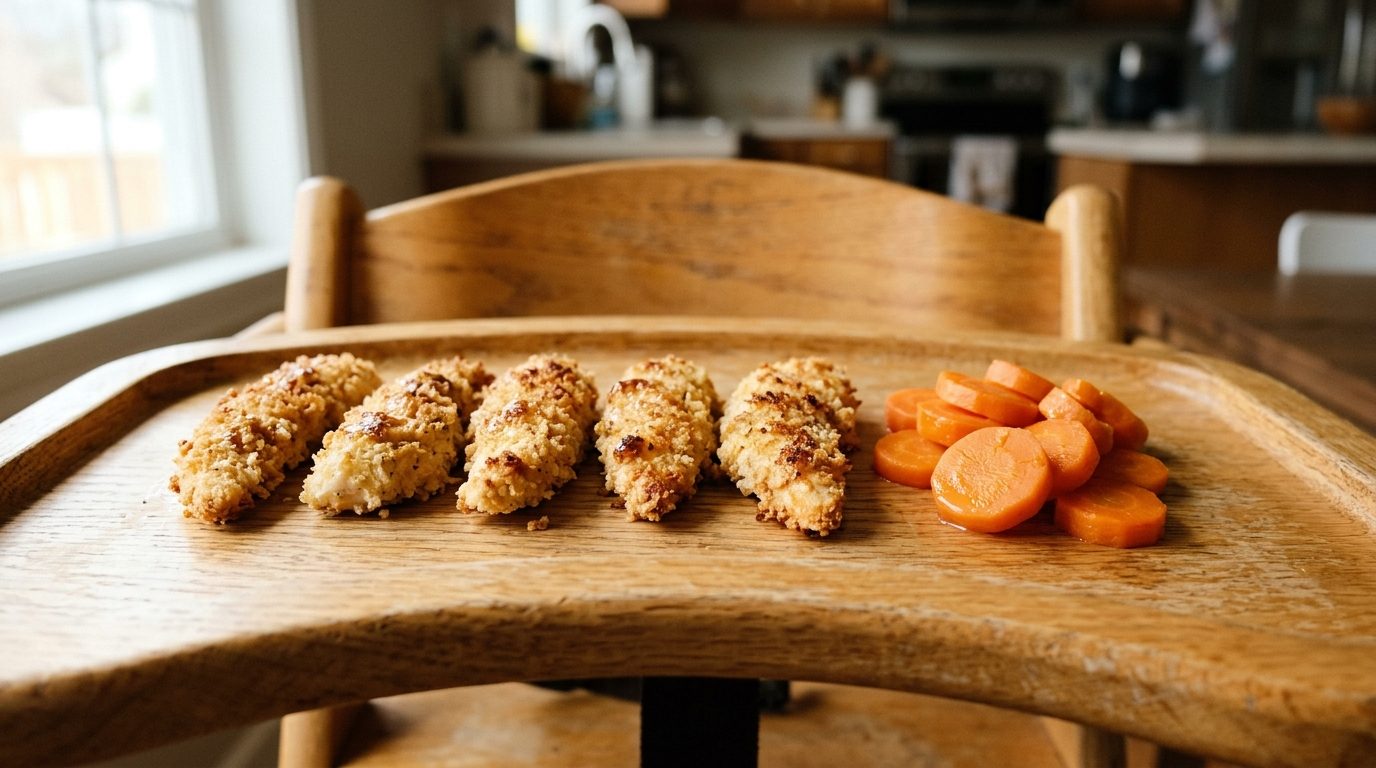
To understand your toddler’s strong attachment to breaded poultry, consider the sensory reality of the toddler dining experience. Natural meats like baked chicken breast, roast beef, or pork chops are inherently variable. One bite might be tender and juicy, while the next contains a tough fiber, a strip of gristle, or an unexpected pocket of fat.
For a young child with sensory sensitivities, unexpected oral sensations can trigger discomfort. If a toddler experiences an unpleasantly chewy or tough bite, they may become cautious about whole-muscle meats. In contrast, breaded poultry bites offer a consistent, predictable texture.
Every single bite feels, tastes, and crunches exactly like the last one. The breadcrumb exterior delivers satisfying auditory feedback, while the interior meat is finely minced, soft, and easy for developing molars to chew. In an overwhelming world where toddlers have little control, breaded nuggets represent safety, predictability, and sensory comfort.
The Reassurance of Uniform Flavor Texture and Color
Color and familiarity also play a major role in toddler food choices. Young children naturally gravitate toward warm, neutral tones like beige, tan, and golden yellow, and they often prefer mild flavors over bitter or pungent tastes.
Understanding that toddlers prefer predictable textures and mild flavors helps parents view selective eating as a developmental preference rather than defiance.
How Sensory Fatigue Fuels Repetitive Preference Patterns
By the time dinner arrives, toddlers may be tired from a full day of activities and stimulation, leaving little patience for unfamiliar textures at the table.
When tired children sit down to eat, they often ask for trusted comfort foods. Recognizing this fatigue helps parents approach evening meals with calm empathy rather than frustration.
Applying Food Chaining to Expand Beyond Familiar Poultry Bites
A helpful method for transitioning selective toddlers beyond processed breaded poultry is building food bridges (often called food chaining). Rather than demanding that your child leap from a frozen nugget to a piece of grilled chicken breast, food chaining breaks the transition down into tiny, manageable steps.
Each step modifies only one single sensory variable at a time, such as shape, brand, breading texture, or cooking method. When changes are subtle, the child’s sensory alarm system remains calm, allowing them to accept modifications without anxiety. For an in-depth breakdown of this systematic method, read our detailed guide on food chaining.
According to clinical feeding insights on HealthyChildren.org, parents can help selective eaters try new foods by including at least one liked food at every meal and patiently re-offering foods multiple times without pressure. Starting with subtle tweaks prevents mealtime stress and fosters curiosity.
Altering Shape and Breadcrumb Coatings Gradually
Begin the food chaining process by changing only the brand or shape of your child’s usual poultry bites. If they typically eat dinosaur-shaped pieces, purchase the round or boot-shaped versions from the exact same brand. Once round shapes are accepted, try a different commercial brand that has a slightly coarser panko coating.
Next, try baking homemade chicken tenderloin strips coated in fine breadcrumbs that closely mimic the commercial texture. Cut meat into small, bite-sized pieces and supervise your child while seated to prevent choking. Because the golden crunch remains familiar, the transition feels manageable.
Introducing New Protein Textures Through Familiar Dips
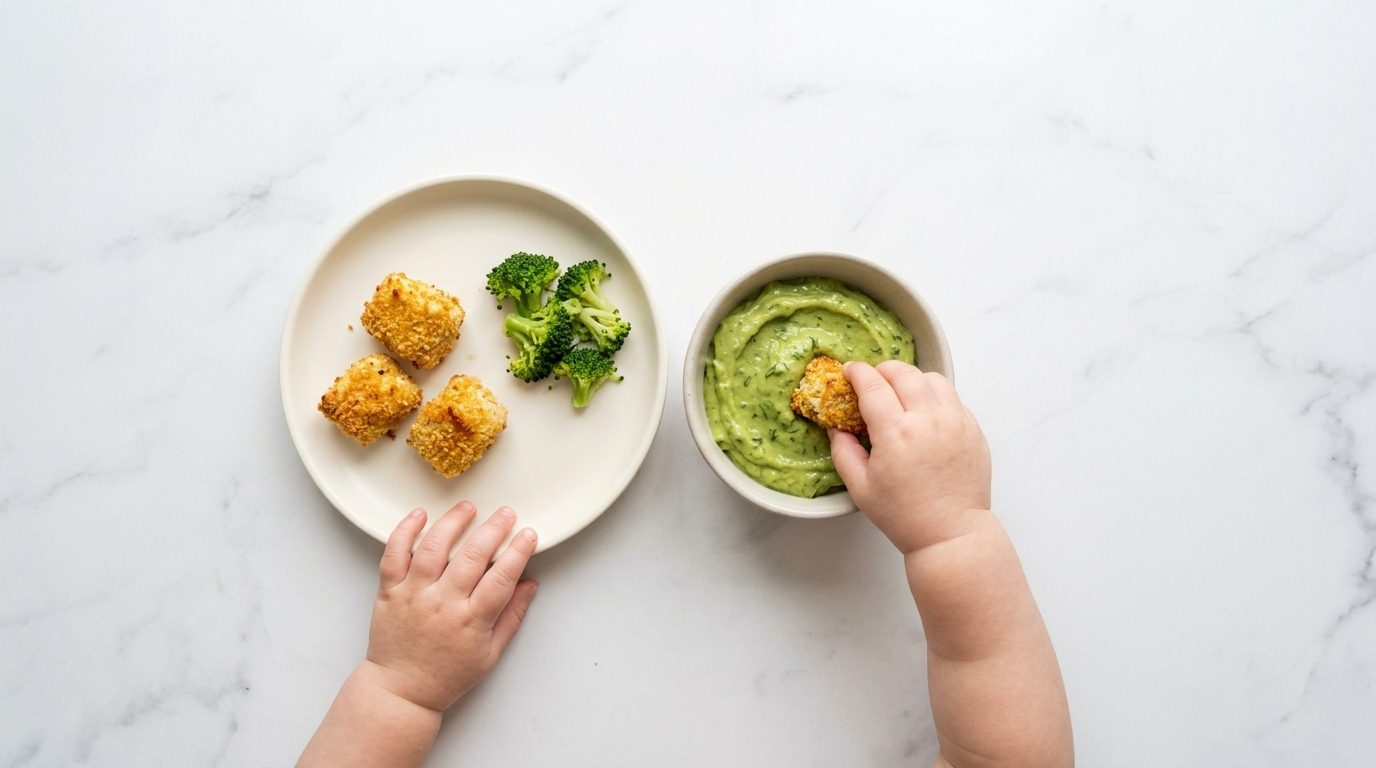
Dipping sauces represent powerful flavor bridges for selective eaters. If your child loves dipping their poultry bites into ketchup, mild honey mustard, or ranch dressing, you can use that familiar dip to introduce new foods.
Offer tender, bite-sized pieces of roasted sweet potato, baked zucchini fries, or mild fish sticks alongside their favorite dip. The dip masks unfamiliar notes and provides a reliable anchor of flavor. Allowing children to control the dipping action gives them an active role in food exploration.
Establishing Calm Boundaries at the Family Dinner Table

While using food chaining techniques, parents must also address the broader mealtime dynamic. Cooking separate meals on demand, often called short-order cooking, creates a cycle where toddlers never have an incentive to interact with regular family food.
To break this pattern without creating table warfare, review our practical strategies on how to stop cooking two meals. The key is to serve one unified family meal that always includes at least one safe side dish your child can eat comfortably.
If the family is eating roasted chicken thighs with steamed rice and green beans, serve your toddler a small portion of the family chicken alongside a generous scoop of rice and a single poultry nugget cut into small bite-sized pieces as a bridge. The presence of the bridge item provides reassurance while keeping the family menu unified.
Retiring Short Order Cooking Without Creating Power Struggles
When you serve dinner, place the food on the table with a pleasant smile and step back. Never plead with your child to take a bite, and avoid making comments like “just try one little taste of the real chicken.”
Pressure can generate resistance and make children dislike foods. When children realize that dinner is no longer a performance where adults are watching every forkful, their defensive walls lower. A calm, neutral parent is the most effective ingredient for a peaceful dining room.
Nutritional Reassurance and Protecting Balanced Daily Energy
Parents often worry that eating poultry bites every day will cause severe nutritional deficiencies. While relying on a single processed protein is not ideal for long-term culinary breadth, the immediate nutritional reality is far less catastrophic than many parents fear.
Commercial poultry pieces provide protein, but they are often high in sodium, so they are best served as one food among several balanced options across the week. To evaluate your child’s weekly nutritional balance, consult our comprehensive resource on picky toddler nutrition.
Evaluating what a child eats across several days rather than judging nutrition by a single dinner can help keep mealtime in perspective. If your child eats poultry at dinner but consumes fruit, yogurt, and grains earlier in the day, a simple dinner is less concerning.
Evaluating Micronutrient Adequacy Beyond Monotonous Menus
To complement poultry-heavy diets, focus on offering nutrient-dense foods during breakfast and scheduled snack intervals. Smoothies made with milk, soft fruit, and avocado deliver healthy fats and vitamins without challenging texture sensitivities.
You can also offer fortified cereals, shredded cheese, and soft steamed vegetables during calm morning hours. Supporting nutrition across the whole day removes the emotional burden from dinner.
Step by Step Roadmap for Introducing Variety at Home
Remember that shifting away from a single preferred food is a marathon, not a sprint. When your toddler only eats chicken nuggets, meeting them with patience, creative food chaining, and zero mealtime pressure will produce lasting results over time.
Keep exposures lighthearted and fun. Invite your child to play simple sensory games, like smelling a new food or using a cookie cutter to cut breaded poultry into fun stars cut into safe, bite-sized pieces. The more positive interactions your child has with food outside of pressured eating situations, the faster their palate will naturally expand.
Trust in your child’s innate developmental timeline. With structured routines, safe food bridges, and compassionate parenting boundaries, your family dinner table can transform into a place of warmth, connection, and culinary discovery.
Frequently Asked Questions
Is it unhealthy if a young child eats breaded poultry every day?
While breaded poultry provides protein, commercial nuggets are often high in sodium and lack dietary variety, so they are best balanced with fruits, vegetables, and whole grains across the day. Parents can balance nutrition by offering varied foods during breakfast and snacks, transitioning gradually using food bridges.
Should you stop buying frozen poultry nuggets cold turkey?
No, eliminating a toddler’s primary safe food abruptly can increase mealtime stress and food refusal. A calmer approach is to keep the trusted item available while using gentle food bridges to introduce subtle variations in shape, brand, and texture step by step.
How can dips help bridge children toward new textures?
Dipping sauces act as familiar flavor bridges that mask unfamiliar tastes and provide comforting, predictable sensory anchors. When cautious children are allowed to dip new roasted vegetables or homemade poultry strips into favorite sauces, they retain control over the sensory experience. This autonomy makes trying new ingredients significantly less intimidating.
When should parents consult a pediatrician about limited food intake?
Parents should talk with their pediatrician if they have questions or concerns about their child’s diet, growth, or overall health. A pediatrician can evaluate your child’s development and provide personalized guidance.