Serving nutritious toddler meals for picky eaters works best when parents offer deconstructed plates, pair unfamiliar textures with reliable comfort foods, and remove all pressure to clean the tray. When children feel safe at the table, their natural curiosity can re-emerge without power struggles or kitchen tears.
Feeding a selective toddler can feel like an exhausting daily negotiation. However, selective eating between ages one and four is a completely normal developmental milestone characterized by a natural slowdown in growth and a healthy drive for autonomy. Exploring our foundational guide to toddler picky eating helps families rethink mealtime goals and establish a peaceful dining environment.
According to pediatric feeding resources from the American Academy of Pediatrics on aap.org, toddlers need regularly scheduled healthy meals and two to three healthy snacks a day. Meeting these nutritional needs does not require complicated gourmet cooking; it simply requires consistent structure and approachable food presentation.
Building Balanced Plates with Familiar Safe Foods
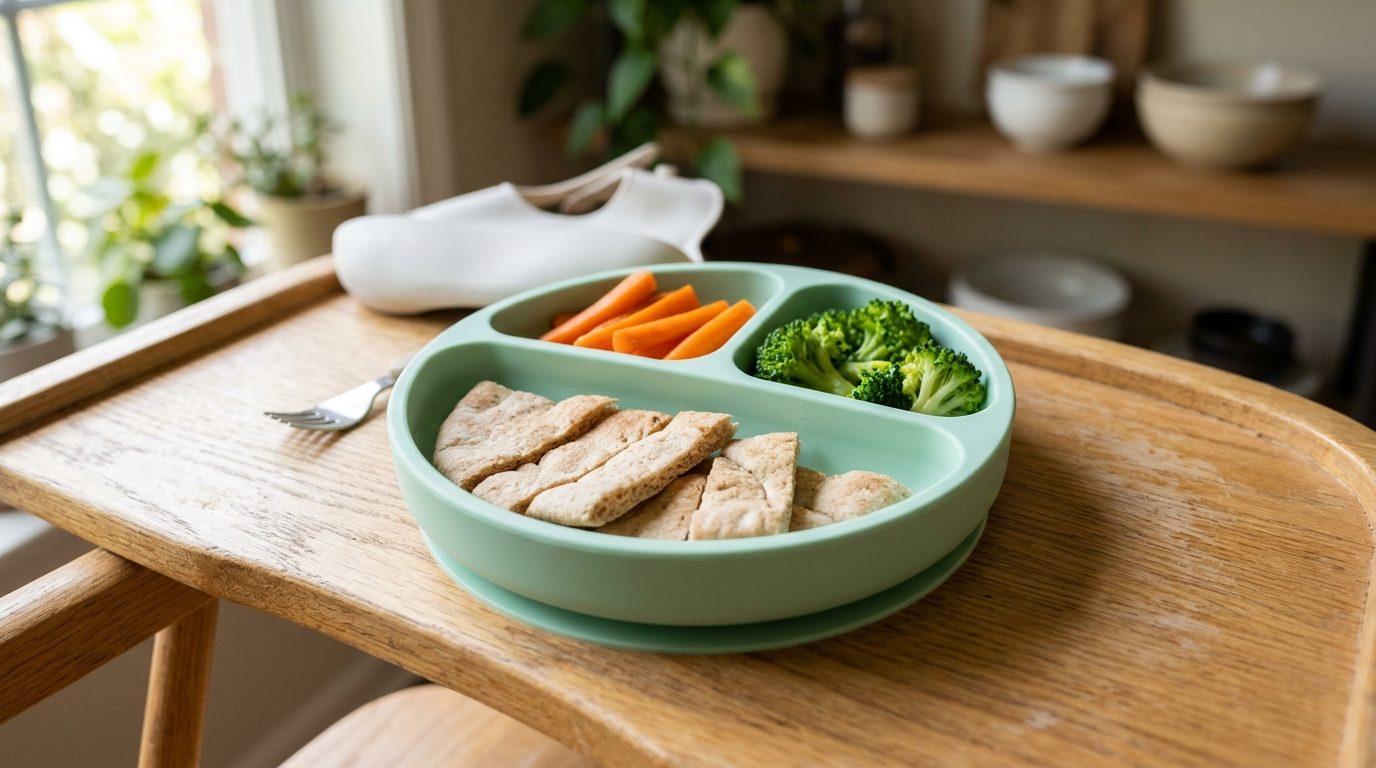
The foundation of low-stress toddler dining is the concept of safe foods. A safe food is any wholesome ingredient that your child reliably accepts without fear or hesitation, such as warm buttered noodles, soft oatmeal, steamed sweet potatoes, or mild shredded cheddar cheese. Every meal offered to a cautious child should feature at least one or two of these dependable staples.
When an anxious child looks down at a dinner tray and sees only unfamiliar casserole layers or heavily sauced greens, they can easily feel anxious or overwhelmed. In contrast, seeing a familiar comfort side immediately reassures the child that they will not leave the table hungry.
The Anatomy of an Approachable Toddler Plate
An approachable plate for selective young children typically follows a simple three-part formula: one familiar carbohydrate, one protein source, and one fruit or vegetable. For example, a plate might consist of warm pasta spirals, tender shredded chicken, and sliced steamed carrots cut lengthwise into small, bite-sized pieces. Always cut firm foods into small pieces and supervise toddlers while seated to prevent choking.
Divided suction dishes can be remarkably helpful for children who experience sensory distress when different food textures touch. Keeping sauces in separate dipping bowls allows the child to control if, when, and how flavors interact. This small degree of physical control gives cautious eaters the agency they need to experiment comfortably.
Why Deconstructed Dinners Work Best for Young Children
Complex combination meals like lasagnas, stews, and mixed stir-fries often represent the ultimate challenge for cautious eaters. When distinct ingredients are baked or cooked together into a single sauce, children cannot identify individual textures or flavors. This visual ambiguity often leads to instant menu rejection.
Deconstruction solves this challenge by serving the component parts separately. If the family is enjoying taco night, a toddler can be served a small scoop of ground meat, shredded cheese, mild avocado slices, and soft tortilla wedges arranged in distinct piles. The child can choose to eat each element individually or combine them according to their own comfort level.
Nourishing Breakfast and Lunch Combinations That Reduce Table Stress
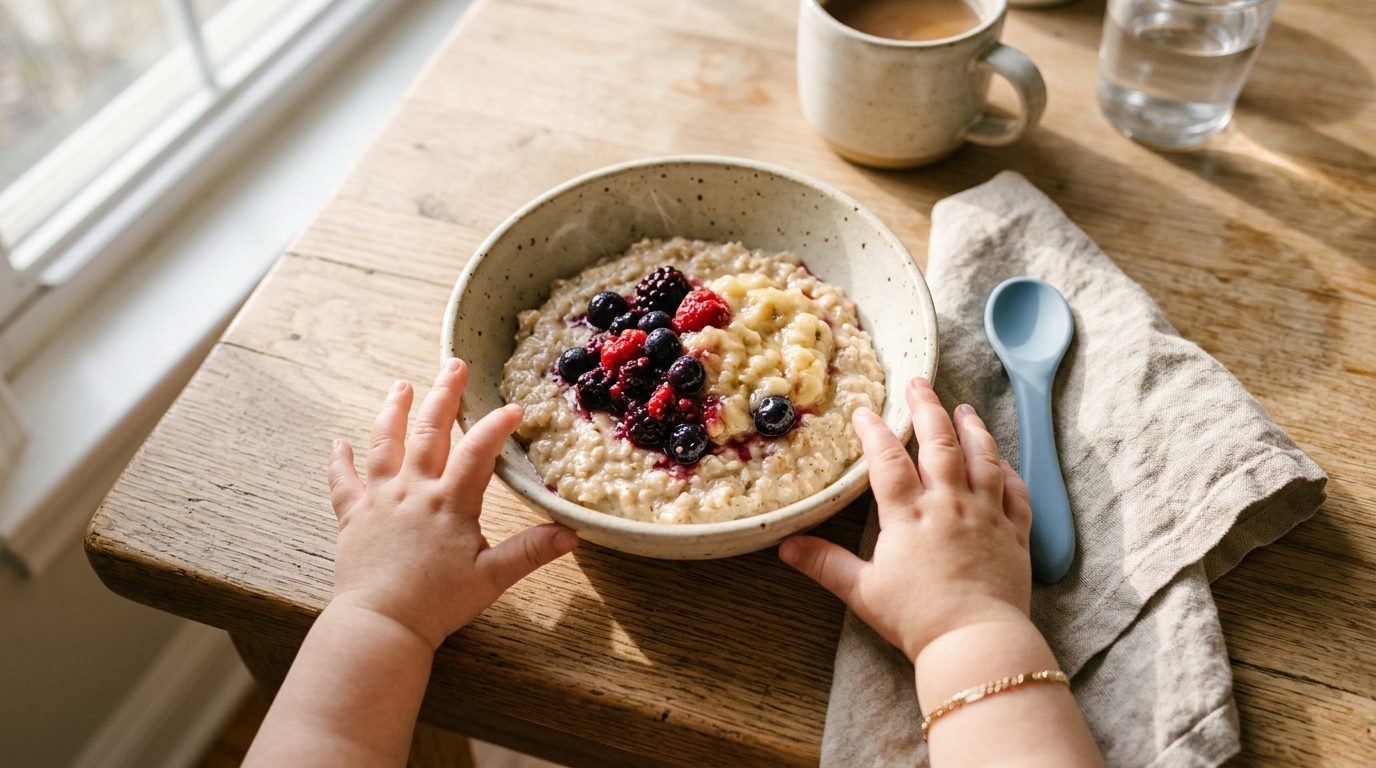
Mornings and midday meals offer prime opportunities to build nutritional reserves because young children are generally well-rested and less overwhelmed by end-of-day fatigue. Setting up predictable, easy-to-assemble breakfast and lunch options keeps your daily routine calm and organized.
Many parents worry when a toddler refuses traditional morning eggs or meat, but wholesome nutrients can be provided across a variety of foods throughout the day. To explore step-by-step weekly scheduling, check out our comprehensive picky eater meal plan for practical parent menus.
Guidance on HealthyChildren.org reminds parents to try not to fixate on amounts of food their child eats at any single meal. Offering a simple balance of familiar foods at breakfast keeps the morning calm without turning morning breakfast into a battleground.
Morning Menus for Selective Appetites
Breakfast does not need to look like a traditional adult breakfast. A selective toddler who rejects scrambled eggs might happily enjoy warm oatmeal mixed with applesauce and a spoonful of ground flaxseed. Other successful morning options include toasted whole-grain waffle strips dipped in plain Greek yogurt, or a smoothie bowl prepared with frozen berries, milk, and ripe avocado.
Mini breakfast muffins baked with grated zucchini or pureed sweet potato also make fantastic, pressure-free finger foods. Because muffins have a familiar cake-like texture, cautious children are often willing to explore them without realizing they are consuming nutrient-dense vegetables.
Midday Bento Boxes and Easy Finger Food Platters
For lunchtime, divided bento containers are visually appealing and functional. A balanced toddler bento might contain rolled slices of roasted turkey, soft pita triangles, mild hummus for dipping, and quartered blueberries. Finger foods invite sensory exploration because children can inspect, smell, and manipulate each bite with their hands before deciding to taste it.
Other winning lunch formulas include whole-wheat quesadillas cut into bite-sized strips, soft pasta tossed in mild olive oil and parmesan, and chilled cucumber matchsticks paired with cottage cheese.
Simple Evening Dinners Built from Shared Family Ingredients
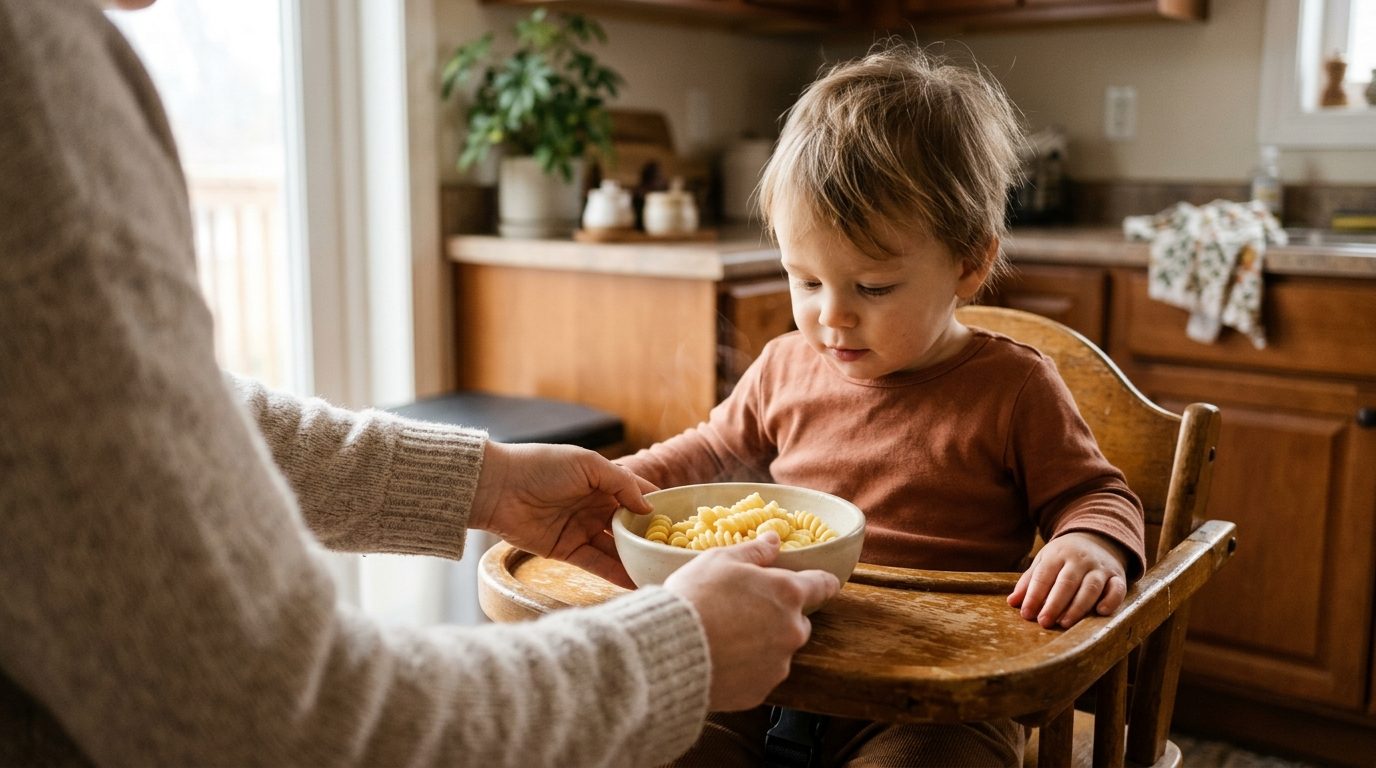
Dinner is frequently the most stressful meal of the day for families with selective toddlers. After a long day of sensory stimulation, preschool activities, or daycare, young children have minimal emotional bandwidth left to tackle challenging foods. Parents are equally fatigued, making table conflict feel particularly acute.
A helpful approach to peaceful family dinners is to prepare one meal for the household while ensuring it includes accessible elements for your toddler. Preparing an entirely separate meal on demand can inadvertently reinforce selective habits, whereas offering two to three healthy options within the family meal allows the child to eat without pressure.
Adopting the principles in our guide on the division of responsibility in feeding provides the ideal framework for family dinners. Parents decide what to serve, when to serve it, and where the family sits, while the child retains complete autonomy over whether to eat and how much to consume.
Serving One Family Meal with Predictable Side Dishes
To make family dinners work for everyone, plan menus around customizable components. For example, if you are making baked salmon with roasted asparagus and rice, your toddler can be served a small piece of salmon, a tender asparagus spear cut into small bite-sized pieces to explore, and a generous portion of familiar steamed rice with butter.
If the child eats only the rice, you remain neutral. You have done your job by providing a balanced selection of foods, and your toddler has done their job by listening to their body. Knowing that predictable safe foods are always on the table prevents dinner dread for both parent and child.
Sensory Friendly Adjustments for Texture Sensitive Children
Texture preferences frequently play a role in selective eating behaviors during the toddler years. Some children are sensitive to slippery or mushy textures like mashed potatoes, while others struggle with fibrous, chewy meats or mixed casseroles.
Observing your child’s textural preferences provides valuable clues for meal planning. If your child strongly prefers crunchy foods, try roasting vegetables like broccoli or sweet potatoes until crisp rather than steaming them. Conversely, if your child prefers soft, uniform textures, puree cooked lentils into pasta sauces or blend steamed squash into mac and cheese.
You can also utilize the systematic steps in our guide on food chaining to build gentle sensory bridges from current favorite foods toward new, closely related flavors and textures.
Managing Crunch Softness and Temperature Preferences
Temperature is another sensory variable that is frequently overlooked. Toddlers have sensitive mouths, and food served piping hot can trigger defensive resistance. Allowing foods to cool to room temperature before serving often makes them far more approachable for cautious children.
Similarly, experimenting with shapes and cutting techniques can transform a child’s perception of an ingredient. Using fun vegetable cutters to create carrot stars can make vegetables feel playful rather than threatening.
Long Term Strategies to Expand Family Dining Variety
Expanding a cautious child’s culinary repertoire is a gradual journey that requires weeks and months of patient, consistent exposure. According to the American Academy of Pediatrics, it can take up to about 15 times before a child accepts a new food.
Serving balanced toddler meals for picky eaters does not mean that every dinner will be greeted with applause. Success is not measured by an empty plate; it is measured by a peaceful table environment where a child feels secure enough to explore food at their own developmental pace.
Involve your toddler in simple kitchen tasks like tearing lettuce leaves, washing berries in a colander, or stirring dry pasta in a bowl. Hands-on culinary exposure outside of mealtime pressure demystifies unfamiliar ingredients and fosters natural food curiosity that pays dividends for years to come.
Frequently Asked Questions
How do you balance nutrition when a child rejects mixed dishes?
When a child rejects mixed dishes, serve the meal ingredients in separate, deconstructed piles across a divided plate. Offering familiar carbohydrates, proteins, and produce separately allows cautious children to explore each texture individually without sensory overwhelm. This approach ensures balanced nutrition while respecting your toddler’s natural comfort zone.
What should you do if your child refuses everything on their plate?
If your child refuses everything served, remain calm and neutral without bargaining, pleading, or preparing an alternate meal. Remind your child gently that they do not have to eat, but this is what is available for dinner. Reassure them that another scheduled snack or meal will be served at the next regular routine interval.
How many times should you offer a rejected ingredient before giving up?
According to the American Academy of Pediatrics, it can take up to about 15 times before a child accepts a new food. Continue offering tiny micro-portions of rejected items alongside trusted safe foods without any requirement to taste them. Repeated visual and sensory familiarity gradually reduces food anxiety over time.
Can serving safe foods at every dinner create bad habits?
No, offering at least one reliable safe food at every meal provides emotional security and prevents children from feeling cornered by unfamiliar menus. Knowing there is something safe to eat lowers table anxiety and actually increases a child’s willingness to explore new items over time. Safe foods serve as bridges rather than crutches.