Planning a simple breakfast for picky eater toddler mornings eliminates early morning tension and ensures growing children start their day with steady, balanced nourishment. Rather than turning the breakfast table into a battleground over eggs or porridge, offering familiar finger foods and modest portions creates a relaxed environment that supports natural morning appetite.
Mornings in homes with young children are inherently busy. Parents are often rushing to get ready for work, organize bags, and manage morning schedules, which magnifies mealtime stress. When a toddler pushes away their bowl of cereal or bursts into tears over a plate of scrambled eggs, parental frustration can peak before eight in the morning. However, understanding early childhood biology sheds light on why morning hunger is notoriously unpredictable.
Toddlers often wake up without an immediate desire to eat. Their digestive systems take time to wake up, particularly if they drank a large cup of milk right after waking or consumed a bedtime snack the night before. Exploring our comprehensive resource on toddler picky eating helps parents understand that a child’s appetite naturally ebbs and flows across the day.
Nutrition experts at the American Academy of Pediatrics on HealthyChildren.org recommend offering three healthy meals a day plus one or two snacks. Let us explore how to craft stress-free morning menus that respect your child’s pace.
Why Early Morning Toddler Hunger Varies from Day to Day
Unlike adults who often eat breakfast out of habitual schedule, toddlers eat purely in response to internal metabolic signals. If a child experienced an active growth spurt earlier in the week, they might eat two helpings of oatmeal one morning and barely touch a slice of toast the next. This variability is completely normal and healthy.
Furthermore, many toddlers consume eight to ten ounces of whole milk immediately upon waking in their crib or bed. Milk is calorie-dense and rich in fats, meaning a child who drains a morning cup arrives at the breakfast table with a full stomach. Many parents find that offering water first or waiting to serve milk at the table allows natural morning hunger to develop.
Creating a brief buffer period between waking and sitting down to eat also works wonders. Allowing your child twenty to thirty minutes of quiet play, diaper changing, and getting dressed gives their nervous system time to transition from sleep to wakefulness. By the time they climb into their highchair, their appetite is ready to engage.
Serving Toasted Whole Grain Strips with Mild Spreads
Toasted bread and waffles are beloved by cautious eaters because they provide dependable crunch and warmth. You can elevate standard toast by slicing whole grain bread into thin, easy-to-hold finger strips. Dipping and handling finger foods gives toddlers a feeling of competence and control.
Spread a thin layer of smooth sunflower seed butter or mild cream cheese across the warm toast. Seed butter provides plant-based protein and dietary fats in an easy-to-spread consistency. Slicing the bread into thin fingers also eliminates the intimidation of tackling a large sandwich.
Easy Finger Food Options for a Reluctant Morning Eater

Finger foods are ideal for morning meals because they require minimal coordination and allow children to eat at their own self-directed pace. When tired toddlers are confronted with tricky utensils like spoons and forks, frustration can quickly lead to meal refusal. Offering bite-sized finger foods removes mechanical barriers.
Consider serving mini pancake bites made with mashed ripe bananas and rolled oats. These soft bites provide natural sweetness without added refined sugars. You can prepare a large batch over the weekend, freeze them, and reheat two or three small pieces in the toaster oven on busy weekday mornings.
Pairing carbohydrates with soft fruit provides quick energy and essential vitamin C. Serve thin slices of soft ripe strawberries, peeled pear slices, or steamed apple slices cut into halves. Avoid serving whole firm fruit pieces or spherical items to maintain complete chewing safety at all times.
Making Soft Scrambled Eggs Approachable and Tender
Eggs are a nutritional powerhouse, packed with high-quality protein, choline, and iron that fuel cognitive development. However, many toddlers reject eggs because they are cooked until rubbery or dry. Preparing soft, creamy scrambled eggs makes a dramatic difference in acceptance.
Whisk an egg with a splash of whole milk and cook it slowly in melted butter over low heat. Once tender curds form, remove the pan from heat and gently fold in a sprinkle of shredded cheese. The shredded cheese melts into the warm curds, adding familiar savory richness that cautious toddlers find comforting.
Warm Grain Dishes and Smoothies for Wholesome Breakfast Fuel

Warm cereals like rolled oats or steel-cut porridge offer soothing comfort on chilly mornings. Oats are rich in soluble fiber, which may help support regular digestion. If your toddler resists thick, sticky oatmeal, adjust the consistency by stirring in warm milk until it becomes smooth and creamy.
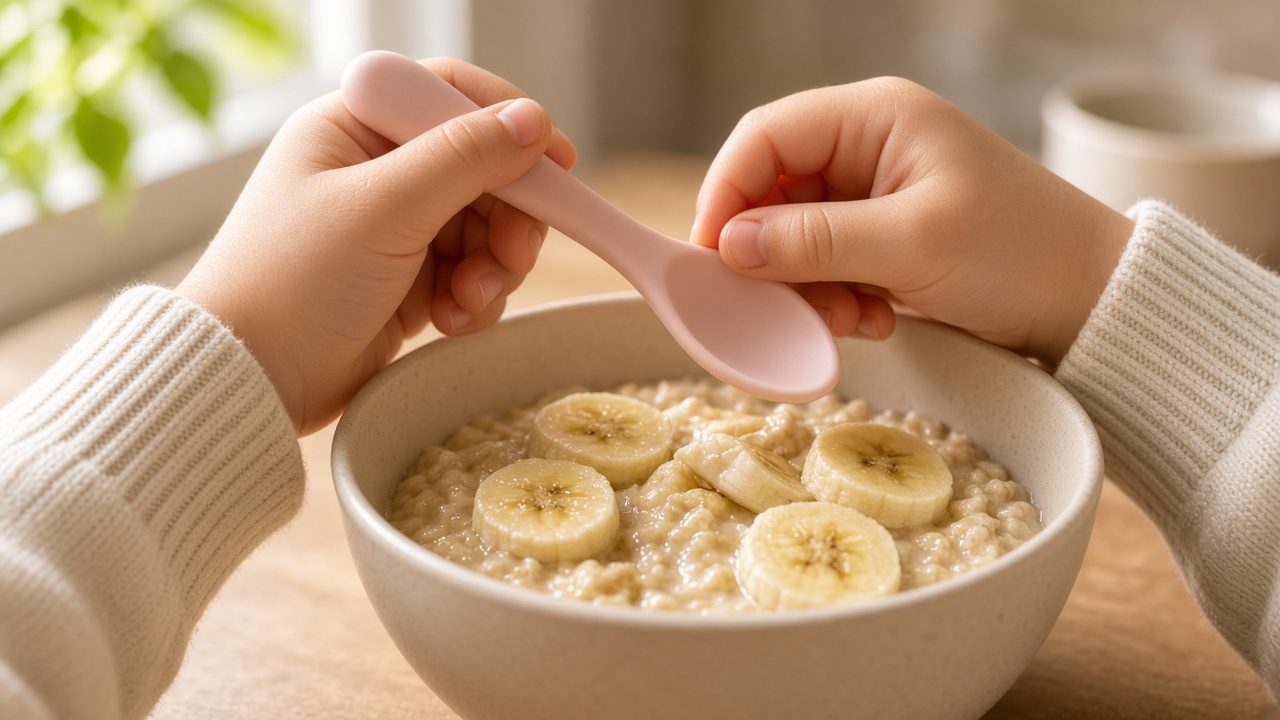
To naturally enhance flavor, stir in a spoonful of smooth unsweetened applesauce, mashed ripe banana, or a pinch of ground cinnamon. Offering the oatmeal in a colorful shallow bowl with a small toddler-sized spoon encourages independent self-feeding practice.
For children who show strong texture aversion to warm cereals, breakfast smoothies provide an exceptional alternative. Blending whole milk or yogurt with frozen bananas and a spoonful of ground flaxseed creates a creamy, milkshake-like texture that cautious eaters readily sip through a straw.
Blending Simple Fruit and Yogurt Breakfast Smoothies
Smoothies allow parents to combine multiple food groups into a single approachable drink. Start with a simple base of whole-milk plain Greek yogurt and a ripe banana for natural sweetness and creamy body. You can blend in a small handful of mild baby spinach, which purees completely smooth without altering the sweet banana flavor.
Serve the smoothie in an opaque straw cup so children are not startled by green or purple hues.
Establishing a Relaxed Morning Eating Environment
The emotional atmosphere at the breakfast table sets the tone for the entire day. When parents sit down alongside their children—even for just ten minutes—toddlers feel anchored and secure. Watching caregivers enjoy coffee and toast provides natural social modeling that encourages children to taste their own food.
Avoid turning breakfast into an urgent interrogation about what your child intends to eat. Keep conversation focused on pleasant topics like the weather, pets, or plans for afternoon play. Refraining from commenting on bite counts or urging your child to hurry eliminates power struggles and fosters natural hunger awareness.
Integrating morning meals with our nutritious healthy snacks for picky toddlers ensures that if breakfast is small, a nourishing mid-morning snack will bridge the gap seamlessly.
Transitioning from Morning Milk to Solid Table Foods
Excessive liquid intake is one of the most under-recognized causes of poor breakfast appetite in toddlers aged one to four. As noted on HealthyChildren.org, drinking more than thirty-two ounces of milk daily may interfere with iron absorption.
If your child drinks a full cup of milk early in the morning, their small stomach has little room left for solid breakfast foods. Gradually transition morning milk by reducing the cup volume to four ounces or offering water upon waking, saving small cups of milk to serve alongside breakfast at the table.
You can also use gentle sensory progressions outlined in our food chaining guide to expand accepted morning items gradually. If you ever have persistent concerns about your child’s morning hydration or growth trajectory, talk to your pediatrician for personalized clinical advice.
Frequently Asked Questions
Why do some young children show little appetite at breakfast?
Toddlers often have modest morning appetites because their metabolic systems take time to wake up, especially if they drank milk upon rising. Toddler growth rates also slow after age one, reducing overall caloric demand. Allowing thirty minutes between waking and eating helps natural hunger develop.
Should you delay morning milk until after solid food is offered?
Offering morning milk with the meal rather than immediately upon waking can prevent young children from filling up on liquids before sitting down. Offering a small sip of water upon waking satisfies thirst without blunting appetite. Serving modest amounts of milk with breakfast encourages interest in solid foods.
What should you do if your child refuses breakfast completely?
If your child refuses breakfast, stay calm and avoid forcing bites or offering alternative sweets. Reassure them pleasantly and clear the table without frustration. A planned, nutritious mid-morning snack will provide another balanced eating opportunity within two to three hours.
Are non-traditional foods like dinner leftovers acceptable for breakfast?
Yes, non-traditional foods like shredded chicken, warm pasta with butter, or leftover roasted vegetables are perfectly acceptable for breakfast. Nutrition matters far more than conventional breakfast rules. If a selective child prefers savory items in the morning, honoring that preference builds confidence.