Using a toddler meal plan template helps parents organize predictable feeding schedules, simplify grocery shopping, and serve balanced foods without mealtime stress. By mapping out rotating safe foods, gentle new exposures, and regular snack intervals across the week, caregivers can end dinner panic and nurture intuitive eating habits.
Planning meals for young children often feels like aiming at a moving target. What your child happily devoured on Monday might be vehemently rejected by Wednesday. When parents face this unpredictability without a clear framework, they often succumb to decision fatigue and default to short-order cooking. A practical weekly plan provides structure while remaining flexible enough to accommodate normal toddler appetite swings.
Rather than striving for nutritional perfection at every single meal, effective planning focuses on weekly dietary balance. Learning the fundamentals of toddler picky eating reassures parents that selective phases are developmentally normal. With a reliable roadmap in hand, you can serve family meals with calm confidence.
This sample meal plan is tailored for young toddlers ages 12 to 24 months transitioning to table foods, where whole milk and whole milk yogurt are appropriate per HealthyChildren.org. Guidelines from the American Academy of Pediatrics on HealthyChildren.org emphasize offering a variety of wholesome foods across regular intervals to seated, supervised children. Let us explore how a well-structured menu template creates kitchen calm.
Core Framework for Building a Toddler Menu Schedule
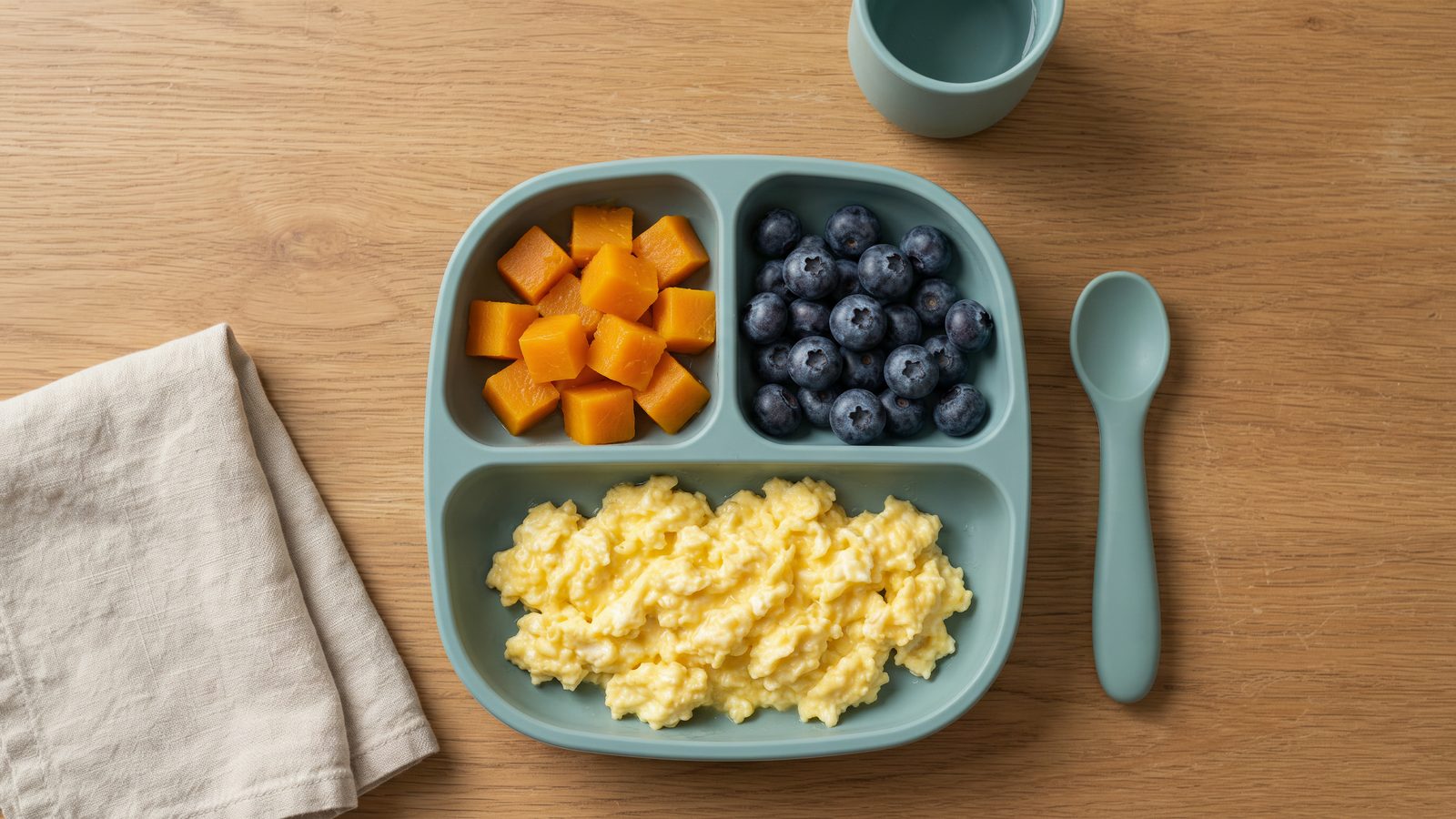
An effective menu structure rests on predictability and balance. When building a weekly plan, divide your day into five distinct eating opportunities: breakfast, morning snack, lunch, afternoon snack, and family dinner. Spacing these seatings roughly two to three hours apart prevents frantic grazing and allows natural hunger to develop.
Every planned meal should ideally incorporate at least three food components: a complex carbohydrate for steady energy, a protein source for growth, and a fruit or vegetable for essential vitamins and fiber. Snacks can be slightly simpler, pairing two distinct food groups like fruit and healthy fats.
Equally critical is the inclusion of dependable safe foods. Every single meal on your template should feature at least one familiar food your child accepts without hesitation, such as plain rice, applesauce, or shredded cheese. This provides psychological safety and prevents mealtime anxiety.
Key Nutritional Components for Every Daily Menu
To keep planning straightforward, focus on broad food categories rather than complicated recipes. Complex carbohydrates include whole wheat toast points, rolled oats, brown rice, and soft pasta. Protein options can range from scrambled eggs and shredded chicken to soft mashed black beans and whole milk yogurt.
Incorporate nourishing fats like mashed avocado, olive oil drizzles, and thinly spread seed or nut butters on warm bread. Offering diverse colors of fruits and steamed vegetables ensures a broad spectrum of nutrients across the week.
Planning for Texture and Sensory Variety
Toddlers are highly sensitive to food textures and visual presentation. When designing your menu, balance crunchy, smooth, and chewy items. If lunch features a smooth soup or yogurt, offer a crispy whole grain cracker alongside it to provide satisfying sensory feedback.
Avoid mixing sauces or casseroles if your child prefers separated foods. Serving deconstructed meals on divided silicone plates respects their sensory boundaries while allowing them to explore new ingredients at their own pace.
Weekly Meal Schedule and Daily Food Chart
Below is a practical sample toddler meal plan chart illustrating how to balance simple staples, colorful produce, and low-pressure family dinners across a five-day week. You can adapt these suggestions based on your family culinary preferences and cultural traditions.
This toddler meal plan chart can easily be adapted as a toddler meal plan printable or toddler meal plan pdf reference on your refrigerator door. Consulting our companion picky eater meal plan guide will give you additional low-stress menu combinations to keep meals fresh and engaging.
| Day | Breakfast | Morning Snack | Lunch | Afternoon Snack | Dinner |
|---|---|---|---|---|---|
| Monday | Rolled oats with cinnamon and diced soft pears | Sliced bananas with thinly spread seed butter | Whole grain quesadilla with shredded cheese and mashed beans | Cottage cheese with steamed peach slices | Shredded chicken, steamed carrot coins, and buttered rice |
| Tuesday | Scrambled egg strips with whole wheat toast | Soft applesauce with whole grain crackers | Turkey and avocado roll-up with thin, peeled cucumber slices cut into small pieces | Plain yogurt with thawed blueberry puree | Baked salmon flakes with sweet potato mash and lightly mashed green peas |
| Wednesday | Whole grain waffle strips with warm berry dip | Steamed zucchini rounds with hummus | Mini pita pockets with mashed chickpeas and shredded cheese | Seedless watermelon in small, bite-size pieces with soft whole wheat pita | Tender ground beef pasta with mild marinara and steamed broccoli |
| Thursday | Warm quinoa porridge with mashed banana | Soft pear slices with mild shredded cheddar | Egg salad on whole grain bread with soft steamed squash | Smooth fruit smoothie with spinach and whole milk | Mild deconstructed chicken taco with avocado and warm tortilla |
| Friday | Spinach and cheese egg muffins with diced seedless melon | Oatmeal banana bite cookies | Pasta salad with diced chicken, lightly mashed peas, and olive oil | Ripe melon cut into small, bite-size pieces with shredded mozzarella | Baked white fish with roasted potato wedges and steamed green beans |
Sample 5-Day Meal and Snack Progression Table
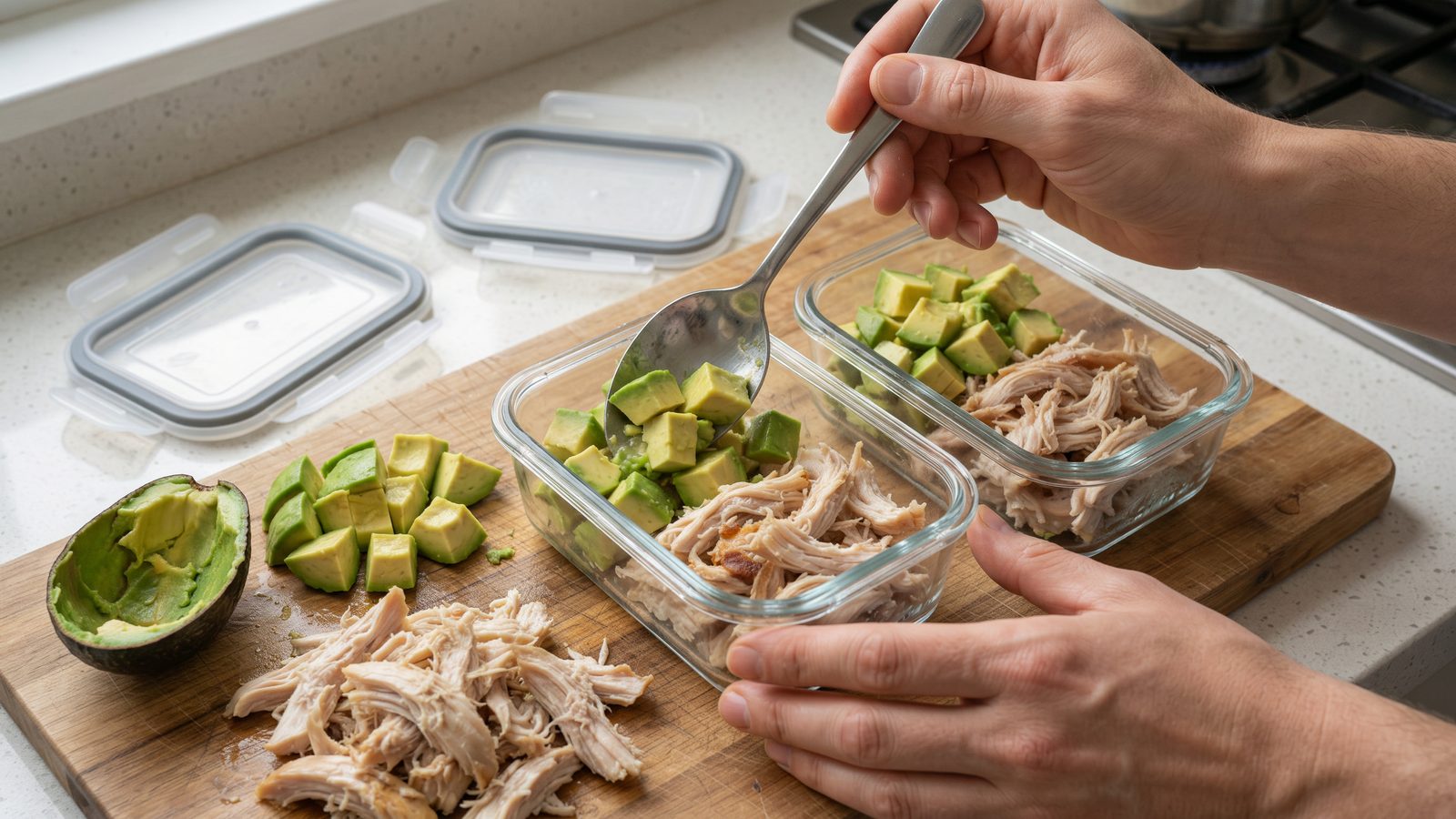
The progression illustrated in the table highlights predictable rhythms without culinary exhaustion. Notice that many ingredients repeat across days in slightly different presentations. For instance, shredded chicken cooked on Monday (stored safely in the refrigerator for up to 3 to 4 days, or frozen) reappears in Friday’s pasta salad, dramatically cutting down kitchen prep time.
Reviewing our detailed toddler feeding schedule provides additional insights on aligning meal timing with nap routines to avoid overtired mealtime meltdowns.
Using Leftovers and Batch Cooking for Easy Lunches
Never cook toddler lunches completely from scratch. When preparing dinner, routinely double your batch of roasted sweet potatoes, brown rice, or meatballs. Storing these components in glass containers gives you ready-to-serve lunches that take less than two minutes to assemble.
Freezing small portions of pureed vegetable soups, cooked beans, and wholesome mini-muffins provides a dependable safety net for busy weekdays when meal prep time is limited.
Balancing Safe Foods with New Exposures Across the Week
The true magic of a toddler meal plan template lies in intentional exposure. When introducing an unfamiliar vegetable or protein, always pair it directly beside a beloved safe food. If your child loves buttered noodles, place a tiny floret of steamed broccoli right on the plate beside the pasta.
Never pressure your child to taste, lick, or swallow the new exposure. Simply allowing the unfamiliar food to share plate space without drama builds visual and olfactory familiarity. According to the AAP on HealthyChildren.org, it may take 10 or more neutral exposures before a child begins to accept an unfamiliar food.
Keep portions of new foods micro-sized: one lightly mashed pea, one soft cooked carrot strip, or one bite of fish is plenty. Tiny portions prevent sensory overwhelm and eliminate food waste.
Simple Snack Formulas to Sustain Young Energy Levels
Snacks should never consist of empty calories that ruin dinner appetites. Instead, view snacks as miniature bridge meals designed to deliver steady, sustained physical energy. Avoid serving snacks directly from large boxes or bags, as this encourages mindless overeating.
Portion snacks onto small plates and have your child sit at the table to eat. When snacks have a clear beginning and ending, children learn to listen to their internal fullness cues and arrive at dinner with healthy hunger.
Batch Prepping Family Dinners to Save Time and Energy
Meal planning fails when it demands excessive daily effort from busy caregivers. Streamline your routine by designating one or two prep windows each week. Wash and slice vegetables, cook a large batch of grains, and portion proteins into clear containers.
Detailed feeding recommendations from the American Academy of Pediatrics on AAP.org emphasize modeling healthy eating habits, establishing regular scheduled meals and snacks, and serving water between meal seatings. If you ever have questions regarding nutritional deficiencies or physical growth patterns, talk to your pediatrician for personalized clinical advice.
Frequently Asked Questions
How many meals and snacks should a toddler eat each day?
Most young children thrive on three structured meals and two planned snacks spaced two to three hours apart. This rhythm stabilizes blood sugar levels, prevents overtired meltdowns, and fosters natural hunger before family dinners.
What should you do if your toddler rejects a scheduled meal?
If your child declines a meal, remain neutral and avoid offering custom short-order alternatives. Warmly validate their choice and remind them that the next planned eating opportunity will arrive at snack time or breakfast.
How do you handle picky preferences without cooking extra meals?
Serve one unified family menu that always includes at least one familiar safe food your child accepts. Deconstruct dishes so ingredients remain separate, allowing selective children to eat comfortably without requiring custom cooking.
When should parents consult a pediatrician about nutrition?
Parents should talk to your pediatrician if a child consistently eliminates entire food groups, experiences unintended weight loss, displays severe fatigue, or shows signs of chronic micronutrient deficiencies. A physician can assess growth charts and provide targeted nutritional guidance.